

Are you the author? Sign in to claim
Source-backed GPT-5.6 use cases for coding, agents, creative work, integrations, benchmarks, and practical limits.













Welcome to the GPT-5.6 high-signal usecase repository.
We collect real-world workflows, tutorials, integrations, evaluations, and limits for GPT-5.6, curated from public evidence.
Every public case is curated from launch-window and recurring public evidence. Case titles link to the original posts and author handles link to creator profiles.
[!NOTE] This collection favors concrete evidence over hype. It publishes only cases with a clear workflow, integration, benchmark method, shipped result, or explicit limitation.
GPT-5.6 is available now on EvoLink. Use an exact tier ID: gpt-5.6-sol, gpt-5.6-terra, or gpt-5.6-luna. A generic gpt-5.6 alias is not available.
export EVOLINK_API_KEY="your_api_key_here"
[!IMPORTANT] Use an exact GPT-5.6 tier ID in every request; do not use a generic gpt-5.6 alias.
| Section | Cases |
|---|---|
| 💻 Coding & Builds | 32 Cases |
| 🤖 Agents & Workflows | 37 Cases |
| 🎨 Creative & Product Work | 29 Cases |
| 🧪 Evaluation & Limits | 50 Cases |
| Acknowledge | Credits and correction policy |
| Case | What it shows | Type |
|---|---|---|
| Train a Personal Model From iMessage | Use GPT-5.6 to build and run a local training pipeline that learns a personal writing style from private message history. | Demo |
| Run a Week-Long Voxel Manhattan Build | Give a long-running coding agent a voxel Manhattan build and let it work autonomously over multiple days. | Demo |
| Turn a Spoken Spec Into a Service | Turn a spoken natural-language specification into an end-to-end service build. | Demo |
| Run GPT-5.6 Through Hermes Agent | Use GPT-5.6 inside Hermes Agent with Nous Portal as the model access layer. | Integration |
| Review Pull Requests From Desktop | Use the unified desktop app for inline edits, pull-request review, multi-repository work, and faster Computer Use. | Integration |
| Build an Interactive Earth Clone | Use a long-running build to combine 3D terrain, satellite imagery, weather, search, and cinematic navigation. | Demo |
| Route Complex Builds in Max Mode | Route build tasks between GPT-5.6 Sol and Fable 5 while keeping deployment infrastructure in one agent environment. | Integration |
| Select a GPT-5.6 Copilot Tier | Match Sol, Terra, or Luna to long-running reasoning, everyday coding, or fast low-cost tasks in GitHub Copilot. | Integration |
| Build a Subscription Product Page | Turn a startup idea into a working subscription product page, then inspect pricing and checkout states before launch. | Demo |
| Build a Visual Prompt Studio | Dictate a product idea, then have the agent implement a canvas tool that converts arranged boxes into structured image prompts. | Demo |
| Enable Maximum Reasoning in AI SDK | Select GPT-5.6 through AI SDK and expose the maximum reasoning setting in application code. | Integration |
| Build an Executive Dashboard in Five Minutes | Turn a vague executive request into a working browser-based dashboard inside a JetBrains IDE. | Demo |
| Run a Multi-Hour Game Build | Let a coding agent continue expanding a playable game for several hours while monitoring its progress. | Demo |
| Use GPT-5.6 in Devin Desktop | Run GPT-5.6 inside Devin Desktop as part of an agentic software-development workflow. | Integration |
| Iterate a Text-Only Three.js Castle | Use successive GPT-5.6 revisions to turn a text-only Three.js brief into an explorable local scene without external assets. | Demo |
| Route GPT-5.6 Into Claude Code | Proxy GPT-5.6 Codex API access into Claude Code only after weighing account and policy risk. | Integration |
| Build WordPress Editorial Publishing | Use GPT-5.6 Sol in goal mode to ship a focused content-management app when the build plan and confirmation boundaries are explicit. | Demo |
| Convert Papers to Marimo Notebooks | Turn an arXiv paper into an interactive Marimo notebook so readers can inspect code and experiment hands on. | Demo |
| Prototype a Three.js Game Concept | Use GPT-5.6 Sol for a short Three.js proof of concept before investing in polish or gameplay depth. | Demo |
| Add Frustum Culling to Renderer | Use GPT-5.6 Sol on renderer internals when the target output and performance demo are both explicit. | Integration |
| Stress-Test One-Prompt Game Builds | Use escalating game briefs to test where GPT-5.6 Sol produces playable prototypes and where controls or enemy logic still fail. | Evaluation |
| Build Model Catalog MVP | Describe a searchable model-comparison product in one prompt when the MVP needs filters, pricing, pages, and URL state. | Demo |
| Evaluate One-Prompt 3D Games | Treat one-prompt game clones as prototype evaluations by recording both playable mechanics and missing world-system depth. | Evaluation |
| Build a Landing Page Live | Use GPT-5.6 Sol in a live Product Engineer class when the target is a full landing page built from scratch. | Tutorial |
| Build Particle Geology Demo | Use GPT-5.6 to turn a science explainer idea into a single-page canvas demo with rendered objects, particle transitions, and interaction physics. | Demo |
| Teach Cinematic Website Builds | Use a long-form GPT-5.6 Sol tutorial when the target is a premium cinematic website rather than a static landing page screenshot. | Tutorial |
| Build SQL Terminal Games | Prototype unusual interactive systems by letting GPT-5.6 Sol Ultra push core game logic into SQLite while Python bridges the runtime. | Demo |
| Write Code Agents Can Read | Optimize code structure and naming for coding agents so GPT-5.6 Sol spends fewer tokens on search and retrieval. | Tutorial |
| Combine Frontend Design Plugins | Pair GPT-5.6 with design, animation, product, and Figma plugins when a Codex frontend build needs stronger visual polish. | Tutorial |
| Build Rust Robotics Actors | Combine a Rust real-time core with Python interfaces when prototyping robotics actor systems with coding agents. | Demo |
| Compare Mobile UI Recreation Limits | Run the same Expo React Native UI prompt across models before trusting GPT-5.6 Sol on brand-sensitive design recreation. | Limit |
| Compare React Native App Builds | Compare finished mobile apps on real devices when evaluating GPT-5.6 Sol against another frontier coding model. | Evaluation |
| Case | What it shows | Type |
|---|---|---|
| Build a Personal Business Operating System | Start with one repetitive task, grant Codex access to the relevant tools, and expand the workflow after it works reliably. | Tutorial |
| Add an Autonomous Critique Pass | Use a second agent as a critique pass when reviewing GPT-5.6's own work. | Demo |
| Turn Goals Into Finished Work | Use ChatGPT Work to act across apps and files, stay with a project for hours, and return finished work. | Demo |
| Automate Work on a Broccoli Farm | Describe an operational problem on site, then use GPT-5.6 to build a tracking and automation workflow around it. | Demo |
| Post-Train a Smaller Model | Give GPT-5.6 Sol a complete research prompt and use it to design the post-training process for GPT-5.6 Luna. | Demo |
| Run Multi-Day Browser and Coding Tasks | Use one agent for small edits, browser operations, and multi-day builds, while retaining approval for consequential actions. | Evaluation |
| Deploy Agents in Microsoft Foundry | Use GPT-5.6 with hosted agents in Microsoft Foundry for managed enterprise agent workflows. | Integration |
| Use GPT-5.6 Across Microsoft 365 | Apply one preferred model across Word, Excel, PowerPoint, Chat, and Copilot Cowork knowledge-work tasks. | Integration |
| Automate Enterprise Operations With Work | Use ChatGPT Work to automate internal workflows, surface insights, and reduce operating cost. | Integration |
| Combine WorkIQ With GPT-5.6 | Use Microsoft 365 context through WorkIQ while generating and editing knowledge-work outputs in Copilot. | Integration |
| Unify Coding and Work in One App | Move between coding, browser, and knowledge-work workflows in a single desktop application. | Integration |
| Share Task History Across Work and Codex | Choose a code-detailed or abstract interface without losing capabilities or task history. | Integration |
| Build a Role-Based Multi-Model Coding Agent | Assign GPT-5.6 Sol to backend work while routing other coding roles to models chosen for difficulty or cost. | Integration |
| Plan With an Advisor Before GPT-5.6 Implements | Have an advisor and GPT-5.6 critique a plan together before handing the approved task list to a GPT-5.6 implementation tier. | Integration |
| Use Programmatic Tool Calls for Data Reduction | Let a sandboxed program chain and reduce tool outputs before returning only decision-relevant results to GPT-5.6. | Tutorial |
| Remove Obsolete Subagent Steering | Audit old skill and subagent instructions because GPT-5.6 may already invoke those workflows aggressively. | Tutorial |
| Route Planning, Coding, and Verification | Split planning, implementation, and verification across models while keeping GPT-5.6 Sol as the default until quota runs out. | Evaluation |
| Orchestrate Multi-Model Prediction Debates | Run the same prompt through multiple model agents in one session when the workflow goal is comparison, not prediction accuracy. | Demo |
| Run Fable With GPT Executors | Use the Codex plugin inside Claude Code to keep Fable as orchestrator while routing execution work to GPT-5.6. | Tutorial |
| Install Codex Orchestration Plugin | Use a Codex plugin to split advisor and executor roles between Fable and GPT-5.6 when cost matters. | Tutorial |
| Coordinate Multi-App Protein Research | Use GPT-5.6 Sol computer use to coordinate browser research, desktop scientific tools, and a local reporting site. | Demo |
| Route Work Across Coding Agents | Keep GPT-5.6 Sol as the planning thread while routing browser, architecture, long-running, and quick-change work to separate agents. | Integration |
| Dogfood a Commitment Tool | Build a personal workflow app with GPT-5.6 Sol agents, then use the unfinished version before investing more tokens. | Demo |
| Configure Kimi as Codex Subagent | Keep GPT-5.6 Sol responsible for logic in Codex while delegating frontend execution to a Kimi K3 OpenCode subagent. | Tutorial |
| Route Fable Plans to GPT Coding | Use Fable for planning and judgment, then send coding tasks to GPT-5.6 while cheaper or writing-specific subagents handle routine work. | Integration |
| Build ChatLLM Model Router | Create a custom router that assigns simple coding, hard coding, and design prompts to different models, including GPT-5.6 Sol. | Integration |
| Launch Herdr Pi Agent Workflows | Move repeated Claude Code routing instructions into a skill plus routing reference so GPT-5.6 pi agents launch in focused panes. | Integration |
| Loop Fable Planning With GPT Builds | Use Fable as planner and reviewer while GPT-5.6 repeatedly implements and fixes the repository changes. | Integration |
| Cap Codex Subagent Recursion | Reduce GPT-5.6 limit burn by routing model tiers deliberately, capping subagent depth, and adding explicit stop checkpoints. | Limit |
| Cut Agent Credit Use | Reduce agent operating cost by combining prompt-cache telemetry, a GPT-5.6 Terra base model, and tighter tool-result context. | Integration |
| Delegate Code Reading Locally | Keep GPT-5.6 as the reasoning lead while local Qwen agents read code in parallel and mechanically verify citations. | Integration |
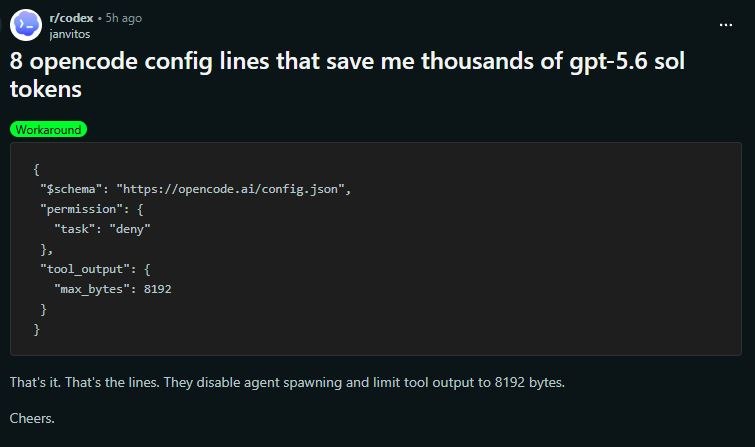
| Tune OpenCode Token Controls | Cap agent output and subagent spawning only when you understand the workflow tradeoffs those controls remove. | Limit |
| Pair GPT Builds With Fable Reviews | Split a coding workflow so GPT-5.6 handles implementation iterations while Claude Fable preserves context for review and feedback. | Demo |
| Map Codex To Macro Hardware | Map Codex actions onto dedicated hardware controls when a keyboard workflow needs faster agent commands. | Integration |
| Approve Agent Actions By Voice | Add a voice approval bridge so an assistant can confirm risky agent actions before continuing a task. | Integration |
| Onboard Slack Agents With Hermes | Use a screen-operating GPT-5.6 Terra agent to provision new Slack agents when onboarding needs repeatable admin work. | Integration |
| Route Models In Custom Agents | Create a custom coding agent that routes GPT-5.6 Sol to backend tasks while other models handle their strengths. | Integration |
| Case | What it shows | Type |
|---|---|---|
| Edit a Hype Video From One Instruction | Drop an MP4 into the workspace and request a concise promotional cut in natural language. | Tutorial |
| Produce Brand-Aware Ads Through MCP | Connect GPT-5.6 to an ad-production MCP so the agent can use brand context, video tools, and reusable skills in one workflow. | Integration |
| Extend Existing Designs in Figma Make | Use GPT-5.6 in Figma Make when building from an existing design, then compare output strength and token efficiency. | Integration |
| Inspect and Refine Rendered Designs | Have the agent inspect its rendered output, catch visual or functional defects, and revise before handoff. | Demo |
| Create Interactive Visual Explanations | Turn data and concepts into charts, walkthroughs, 3D models, simulations, mini-apps, and shareable Sites. | Demo |
| Generate a Presentation Draft | Use GPT-5.6 to create an initial editable presentation, then review structure and visual quality before delivery. | Demo |
| Organize Detailed Image Instructions | Use GPT-5.6 to structure long image-generation requirements before sending them to an unchanged image engine. | Demo |
| Compare Lighting Detail in Game Art | Compare low-angle lighting outputs side by side when evaluating visual detail. | Evaluation |
| Create Natively Editable Office Files | Generate slides, sheets, and documents as editable artifacts instead of flattened images. | Demo |
| Publish a Filterable City Guide | Organize recommendations by neighborhood, mood, and price, then publish the result as a Site. | Demo |
| Review AI-Written Story Limitations | Read a complete generated story before judging prose quality and whether the writing still reveals its AI origin. | Limit |
| Compare Remotion and HyperFrames Video Pipelines | Run the same GPT-5.6 video concept through two pipelines to compare animation quality, workflow, and output. | Demo |
| Build a Tier-Themed UI Demo | Use GPT-5.6 Sol Low to turn a viral idea into a UI demo with separate visual states for Luna, Terra, and Sol. | Demo |
| Compare AI Video Direction | Send the same reference, dialogue, and Seedance workflow through two models to compare creative direction. | Demo |
| Connect Creatify MCP to Ads | Give GPT-5.6 access to an ad-production MCP when the agent needs to move from strategy to video output. | Tutorial |
| Build 3D Sneaker Storefront | Use a single HTML output constraint when asking GPT-5.6 Sol to build a polished ecommerce prototype. | Demo |
| Use Max Effort for Frontend Polish | Reserve max reasoning effort for frontend work where visual hierarchy, motion, and coherence matter. | Demo |
| Caption Videos With Frame Context | Feed GPT-5.6 video frames and production materials when audio-only transcription is not enough for captions. | Tutorial |
| Refine Blender Lighting Nodes | Use GPT-5.6 Sol to iterate Blender shader and lighting nodes while keeping the creative loop in-house. | Demo |
| Build Game-Engine Scenes by Prompt | Keep the AI workflow inside the game engine when the goal is to generate a playable scene with lighting, assets, and physics together. | Demo |
| Orchestrate Text-to-Motion in Blender | Let Codex coordinate Blender, text-to-motion, and a bridge library when animation speed matters more than direct joint control. | Integration |
| Compare Paper-Anime Generation | Run the same creative benchmark through competing models when judging visual style transfer with an MCP workflow. | Benchmark |
| Compare Ink-Wash Motion Prompts | Evaluate GPT-5.6 Sol against another model on the same cinematic motion prompt when style, timing, and transformation constraints matter. | Benchmark |
| Benchmark Personal Site Redesigns | Compare models on the same site-redesign prompt when identity fit, accessibility, performance, and copy quality all matter. | Benchmark |
| Build Three.js Water Shaders | Use GPT-5.6 Sol for specialized Three.js shader work, then integrate model-generated scene assets into one browser demo. | Demo |
| Build 3D Scrolling Websites | Use GPT-5.6 Sol to prototype a polished 3D scrolling website, then inspect the generated motion and layout before reuse. | Demo |
| Turn Reference Sheets Into Viewers | Route a reference sheet through Blender MCP and Codex to produce both a 3D asset and a navigable web viewer. | Demo |
| Stress Test 3D Website Quality | Treat speed and output quality separately when GPT-5.6 Sol builds a personal 3D website benchmark quickly. | Limit |
| Build Feature Launch Videos | Pair GPT-5.6 Sol with Remotion when a product-launch clip needs generated motion, music choice, and fast iteration. | Demo |
| Case | What it shows | Type |
|---|---|---|
| Compare Intelligence, Coding, and Cost | Use third-party benchmark results to choose Sol, Terra, or Luna by intelligence, coding performance, and cost per task. | Benchmark |
| Test Physics Quality Against Cost | Benchmark visual polish and physical correctness separately before choosing Sol Ultra for browser-based simulations. | Evaluation |
| Compare Coding Performance Per Dollar | Compare benchmark score, task cost, and token use together instead of ranking coding models on score alone. | Benchmark |
| Test Novel Reasoning With ARC-AGI-3 | Use ARC-AGI-3 to test how well a model orients itself in unfamiliar interactive tasks. | Benchmark |
| Compare Tiers on DeepSWE | Compare Sol, Terra, and Luna on the same software-engineering leaderboard before selecting a tier. | Benchmark |
| Audit a Month of Agent Builds | Review aggregate agent activity and completed projects before drawing conclusions from a large model trial. | Evaluation |
| Measure Agent Performance and Cost | Compare agent benchmark score and estimated cost at the same reasoning setting. | Benchmark |
| Benchmark Coding Efficiency | Evaluate coding score together with output tokens, elapsed time, and task cost. | Benchmark |
| Choose Models by Task Shape | Use GPT-5.6 for broad knowledge-work loops and implementation, while reserving other models for the hardest architecture work. | Evaluation |
| Account for Universal Cyber Jailbreaks | Treat cybersecurity safeguards as a deployment constraint because long-form agentic attacks remained reachable in testing. | Limit |
| Audit Kernel Optimizations for Reward Hacking | Inspect benchmark submissions for grader-specific shortcuts before accepting performance scores. | Evaluation |
| Measure the Effect of Subagents | Benchmark both final score and elapsed time with and without subagents. | Benchmark |
| Estimate Usage Limits by Plan | Treat published usage ranges as estimates because model choice, context, reasoning, and tool use change consumption. | Limit |
| Compare Models on the Same 3D Build | Give multiple models the same browser-based 3D brief and compare coherence, visual quality, and token use side by side. | Benchmark |
| Compare Security Accuracy and Precision Cost | Evaluate coding models on a security benchmark using accuracy, price, and cost per precise result rather than a single score. | Benchmark |
| Compare Agent Behavior Through a Playable Game | Give several models identical game rules and compare the resulting survival, enemy, and scoring behavior interactively. | Benchmark |
| Compare GPT-5.6 Tiers on Surface Evolver | Run Sol, Terra, and Luna through the same benchmark to compare frontier performance and cost against prior leaders. | Benchmark |
| Track Reduced GPT-5.6 Thinking Budgets | Compare visible thinking-budget settings before assuming a faster GPT-5.6 Sol run preserves the same reasoning depth. | Limit |
| Pick GPT-5.6 Tiers by Task | Route daily coding, repo-wide changes, and final review to different GPT-5.6 tiers instead of defaulting to Ultra. | Limit |
| Benchmark Engineering Tasks by Effort | Test low, medium, and high effort on real engineering tasks before assuming higher effort improves accuracy. | Benchmark |
| Benchmark Claude Code Harness Results | Move identical GPT-5.6 tasks across harnesses to see whether speed, token use, and missed issues change. | Benchmark |
| Check Luna Cost-Per-Score Claims | Verify cost-per-score claims against public benchmark data before treating GPT-5.6 Luna as the default coding-agent tier. | Benchmark |
| Benchmark HealthBench Professional Cost | Compare medical benchmark scores against token pricing before choosing GPT-5.6 Sol for clinical-style tasks. | Benchmark |
| Benchmark RadLE Diagnosis Readiness | Evaluate medical vision models on handover readiness, reliability, and safety instead of accuracy alone. | Benchmark |
| Test Luna Design Experience | Evaluate design experience and total effort separately from benchmark appeal before routing creative work to Luna. | Limit |
| Benchmark WebDev Arena Rankings | Use human-vote frontend rankings as one signal when choosing GPT-5.6 Sol for web-development work. | Benchmark |
| Set Approval Boundaries for Agents | Require explicit approval boundaries before letting GPT-5.6 Sol complete operational workflows end to end. | Limit |
| Calibrate a Multi-Model Router | Run stable tasks across model tiers, then adjust routing only after repeated evidence rather than one benchmark result. | Evaluation |
| Delay Static Analysis in Demos | Disable or defer heavy static analysis during quick demo builds when agent token burn matters more than type perfection. | Limit |
| Benchmark Clinical Model Rankings | Use independent clinical rankings as a safety and domain-fit signal before routing medical-style questions to a frontier model. | Benchmark |
| Check Long-Horizon Terminal Limits | Use long-horizon terminal benchmarks to evaluate whether GPT-5.6 Sol can sustain dependent actions over extended coding tasks. | Benchmark |
| Benchmark Procedural Harbor Towns | Use one-file procedural simulations as a repeatable creative-coding benchmark across GPT-5.6, Fable, Kimi, and Inkling. | Benchmark |
| Evaluate Marble Game Physics | Compare generated game demos on control alignment, gravity feel, completion time, and limit hits instead of judging only screenshots. | Benchmark |
| Track Benchmark Saturation | Retire or redesign a benchmark when GPT-5.6 Sol Pro saturates most of its remaining questions. | Benchmark |
| Benchmark Personal Genomics Agents | Evaluate genomics agents with pass rates and repeated attempts before trusting any single model configuration. | Benchmark |
| Set Agent Exit Conditions | Cap review rounds and define stopping criteria before asking GPT-5.6 Sol Ultra for deep plan reviews. | Limit |
| Compare Cyber Benchmark Windows | Compare cyber benchmark results by task family and time window before treating one GPT-5.6 Sol score as general capability evidence. | Benchmark |
| Benchmark React Project Repairs | Use React project repair benchmarks to test renders, useEffect usage, accessibility, and maintainability instead of relying on generic coding rankings. | Benchmark |
| Benchmark ISS Digital Twins | Use a detailed 3D digital-twin task to test reconstruction, lighting, controls, labels, tours, and refinement behavior. | Benchmark |
| Measure German Simplification Reasoning | Run niche benchmarks such as AlmanBench when you need reasoning signals that are unlikely to be optimized by broad leaderboards. | Benchmark |
| Manage GPT-5.6 iOS Sessions | Keep GPT-5.6 app builds collaborative by reviewing every 30-60 minutes and redirecting before architecture drift compounds. | Limit |
| Compare Coding-Agent Repair Harnesses | Evaluate coding agents on held-out repair suites with success rate, attempts, cost per fix, and wall time instead of arena rank alone. | Benchmark |
| Compare Distillation-Law Answers | Use a fixed policy-sensitive question to compare how GPT-5.6 and peer models frame uncertainty and risk. | Evaluation |
| Run OpenBench on Codebases | Use OpenBench to compare model-and-harness choices on your own codebase before routing coding-agent work. | Benchmark |
| Compare Real Paid Coding Jobs | Run the same paid coding jobs across models to separate quality, bug-finding, and cost instead of relying on generic scores. | Evaluation |
| Benchmark Shoreline Wave Agents | Use shoreline-wave simulations to test whether a model can apply research concepts over long iterative visual builds. | Evaluation |
| Classify Taxonomies With Vector Search | Shortlist labels with vector search before classification when direct frontier calls are too costly for large taxonomies. | Evaluation |
| Open EnigmaEval Reasoning Benchmark | Use EnigmaEval when comparing GPT-5.6 Sol on long puzzle-hunt reasoning tasks rather than short benchmark questions. | Benchmark |
| Measure AutoCAD Computer Use | Benchmark GPT-5.6 Sol on precise AutoCAD tasks when computer-use accuracy matters more than generic coding scores. | Benchmark |
| Compare VulcanBench Engineering Tasks | Use repository-level hidden-test benchmarks to check whether GPT-5.6 Sol remains competitive on real engineering changes. | Benchmark |
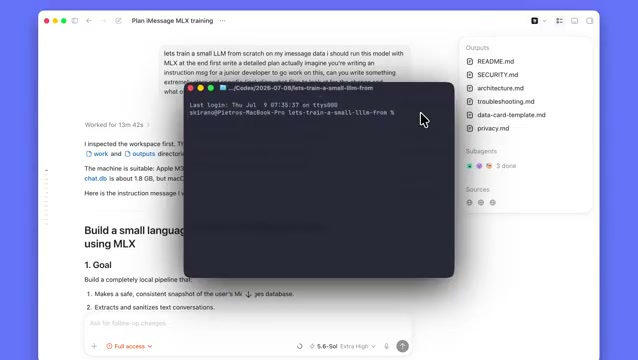
Use GPT-5.6 to build and run a local training pipeline that learns a personal writing style from private message history.
The creator reports that one prompt produced the full training pipeline, trained a model locally on a Mac from iMessage history, and generated replies in the creator's style.
Type: Demo | Date: 2026-07-09
Give a long-running coding agent a voxel Manhattan build and let it work autonomously over multiple days.
The creator says GPT-5.6 Sol produced a detailed voxel Manhattan in a single autonomous run that lasted almost a week.

Type: Demo | Date: 2026-07-09
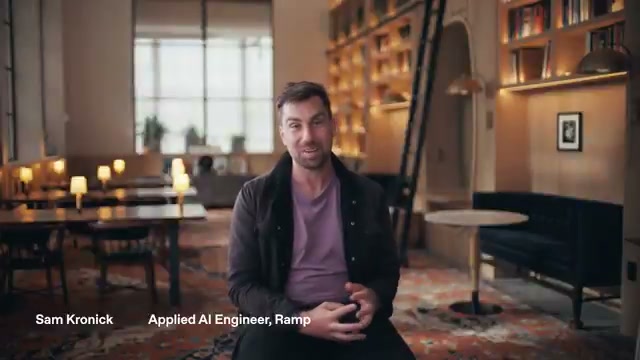
Turn a spoken natural-language specification into an end-to-end service build.
OpenAI Developers highlights Ramp engineer Sam Kronick using GPT-5.6 to build an entire service from a natural-language specification.
Type: Demo | Date: 2026-07-09
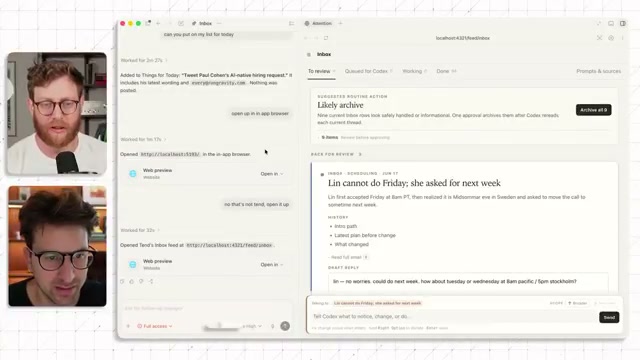
Start with one repetitive task, grant Codex access to the relevant tools, and expand the workflow after it works reliably.
The 49-minute masterclass describes inbox cards with drafted replies, a unified Slack and meeting feed, an agent email address, learned repeatable skills, and goals that run for up to 20 hours.
Type: Tutorial | Date: 2026-07-09
Use a second agent as a critique pass when reviewing GPT-5.6's own work.
The creator reports that GPT-5.6 autonomously started another agent to critique its work even though no skill or instruction explicitly requested that behavior.

Type: Demo | Date: 2026-07-09
Drop an MP4 into the workspace and request a concise promotional cut in natural language.
The creator demonstrates the workflow from an MP4 to a 60-second hype video and links a full YouTube tutorial.

Type: Tutorial | Date: 2026-07-09
Connect GPT-5.6 to an ad-production MCP so the agent can use brand context, video tools, and reusable skills in one workflow.
Creatify says its MCP lets an agent move from an idea to a finished ad in minutes with access to the full ad stack.

Type: Integration | Date: 2026-07-09
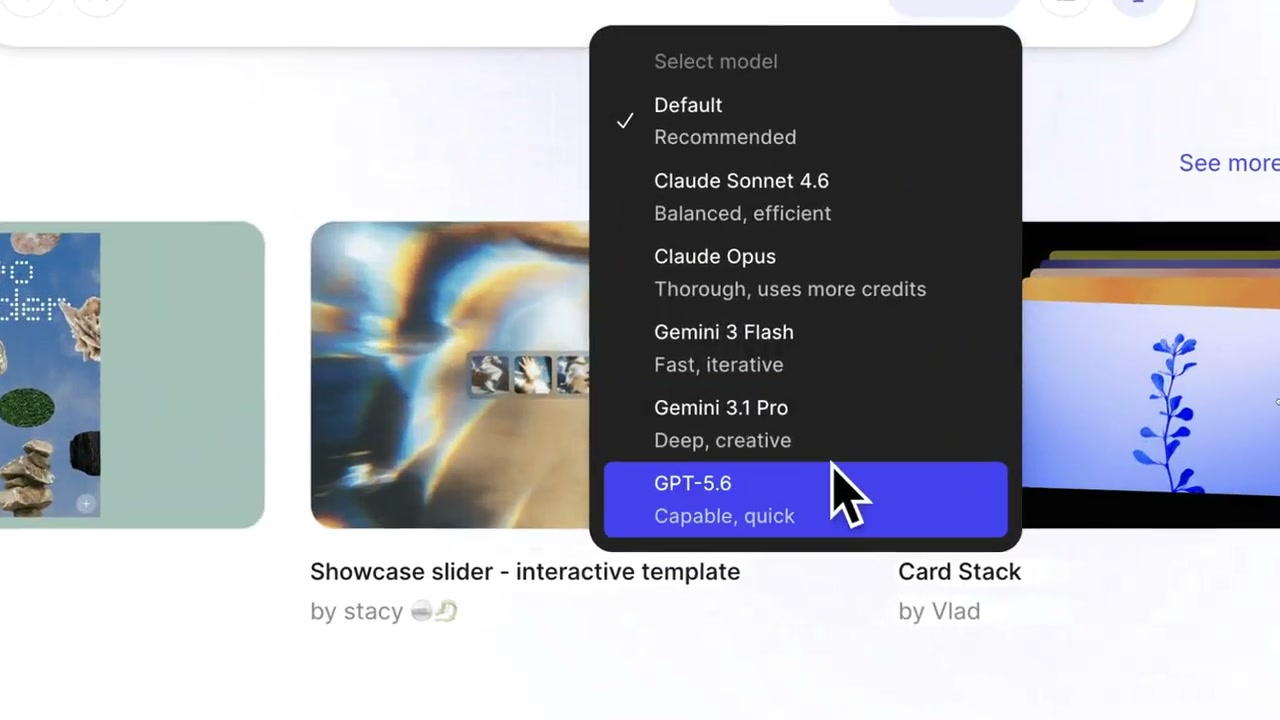
Use GPT-5.6 in Figma Make when building from an existing design, then compare output strength and token efficiency.
Figma reports early tests with stronger outputs from existing designs and improved token efficiency.
Type: Integration | Date: 2026-07-09
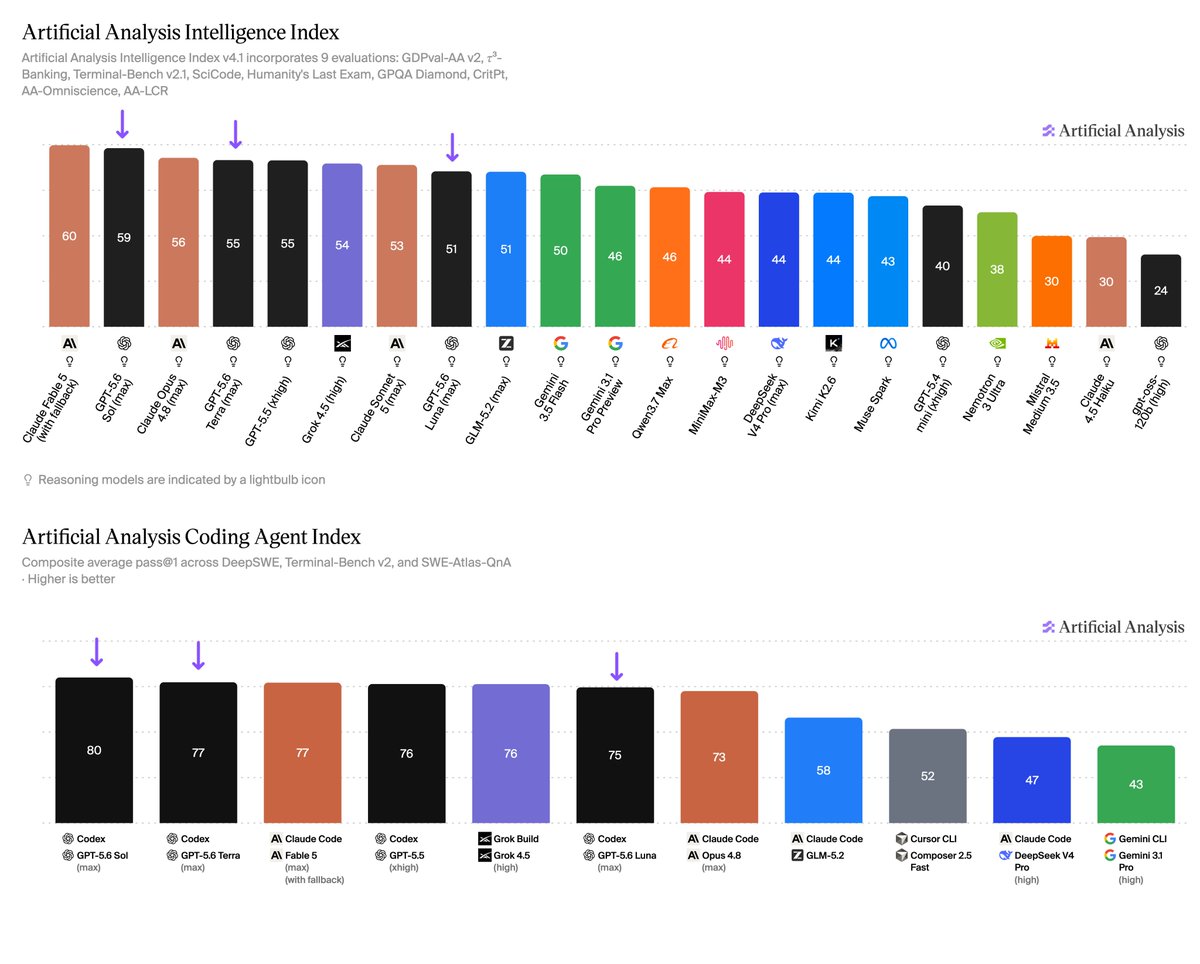
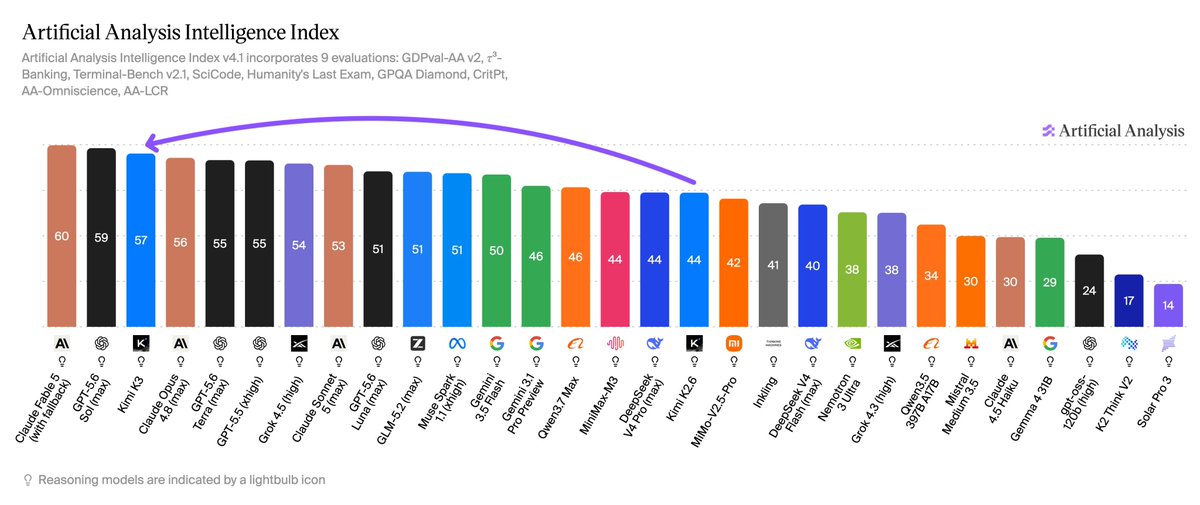
Use third-party benchmark results to choose Sol, Terra, or Luna by intelligence, coding performance, and cost per task.
Artificial Analysis reports Sol at 59 on its Intelligence Index and 80 on its Coding Agent Index; Terra and Luna score 55 and 51 on intelligence at lower cost per task. These are third-party benchmark claims from the source.
Type: Benchmark | Date: 2026-07-09
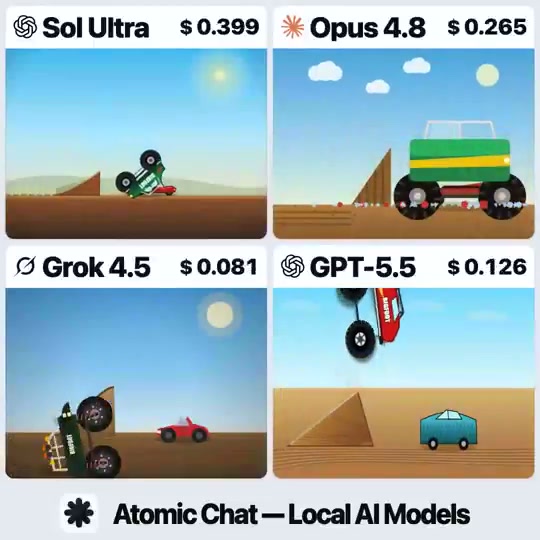
Benchmark visual polish and physical correctness separately before choosing Sol Ultra for browser-based simulations.
Atomic Chat compared four models on three HTML5 canvas physics scenes. It reports Sol Ultra used 32.9K tokens at $0.33 versus GPT-5.5 at 12.4K tokens and $0.11, with weaker physics despite greater visual detail.
Type: Evaluation | Date: 2026-07-09
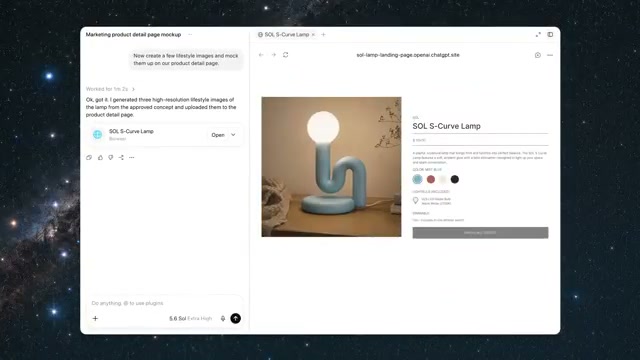
Use ChatGPT Work to act across apps and files, stay with a project for hours, and return finished work.
OpenAI introduces ChatGPT Work as a GPT-5.6-powered agent that gathers context across apps and files and can continue a project for hours until it produces a finished result.
Type: Demo | Date: 2026-07-10
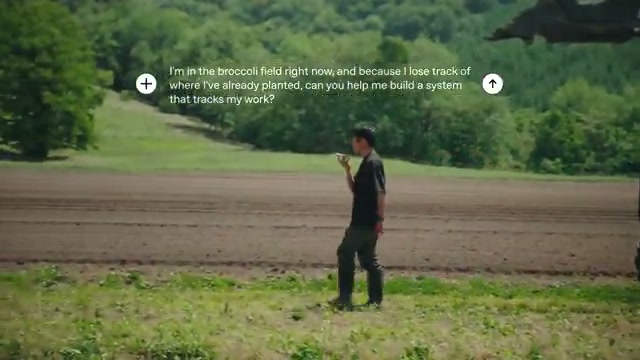
Describe an operational problem on site, then use GPT-5.6 to build a tracking and automation workflow around it.
The launch video follows farmer Hiroki Tomiyasu asking for a system to track farm work. It shows Codex being used to automate a greenhouse ventilation process despite the farmer not being an engineer.
Type: Demo | Date: 2026-07-10
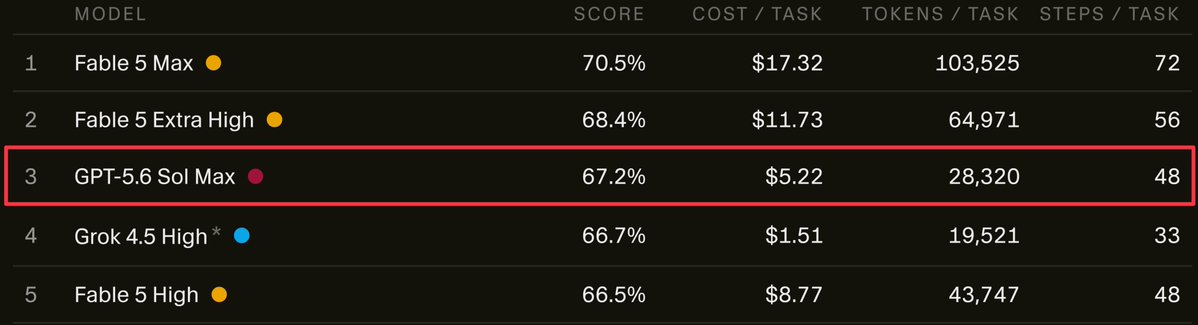
Compare benchmark score, task cost, and token use together instead of ranking coding models on score alone.
BridgeMind reports CursorBench results of 70.5% at $17.32 and 103,525 tokens for Fable 5 Max versus 67.2% at $5.22 and 28,320 tokens for GPT-5.6 Sol Max.
Type: Benchmark | Date: 2026-07-10
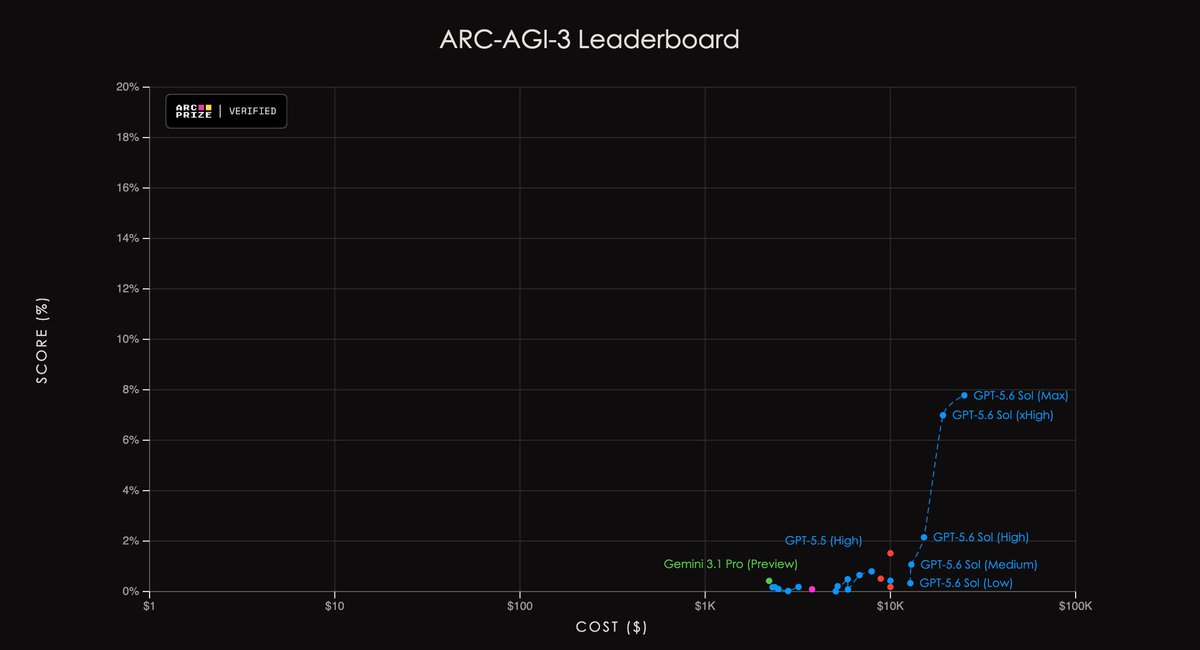
Use ARC-AGI-3 to test how well a model orients itself in unfamiliar interactive tasks.
ARC Prize reports a verified 7.8% result for GPT-5.6 Sol and describes it as the first frontier model to beat an ARC-AGI-3 game.
Type: Benchmark | Date: 2026-07-10
Use GPT-5.6 inside Hermes Agent with Nous Portal as the model access layer.
Nous Research reports GPT-5.6 support in Hermes Agent and availability through Nous Portal, establishing a concrete agent-harness integration route.

Type: Integration | Date: 2026-07-10
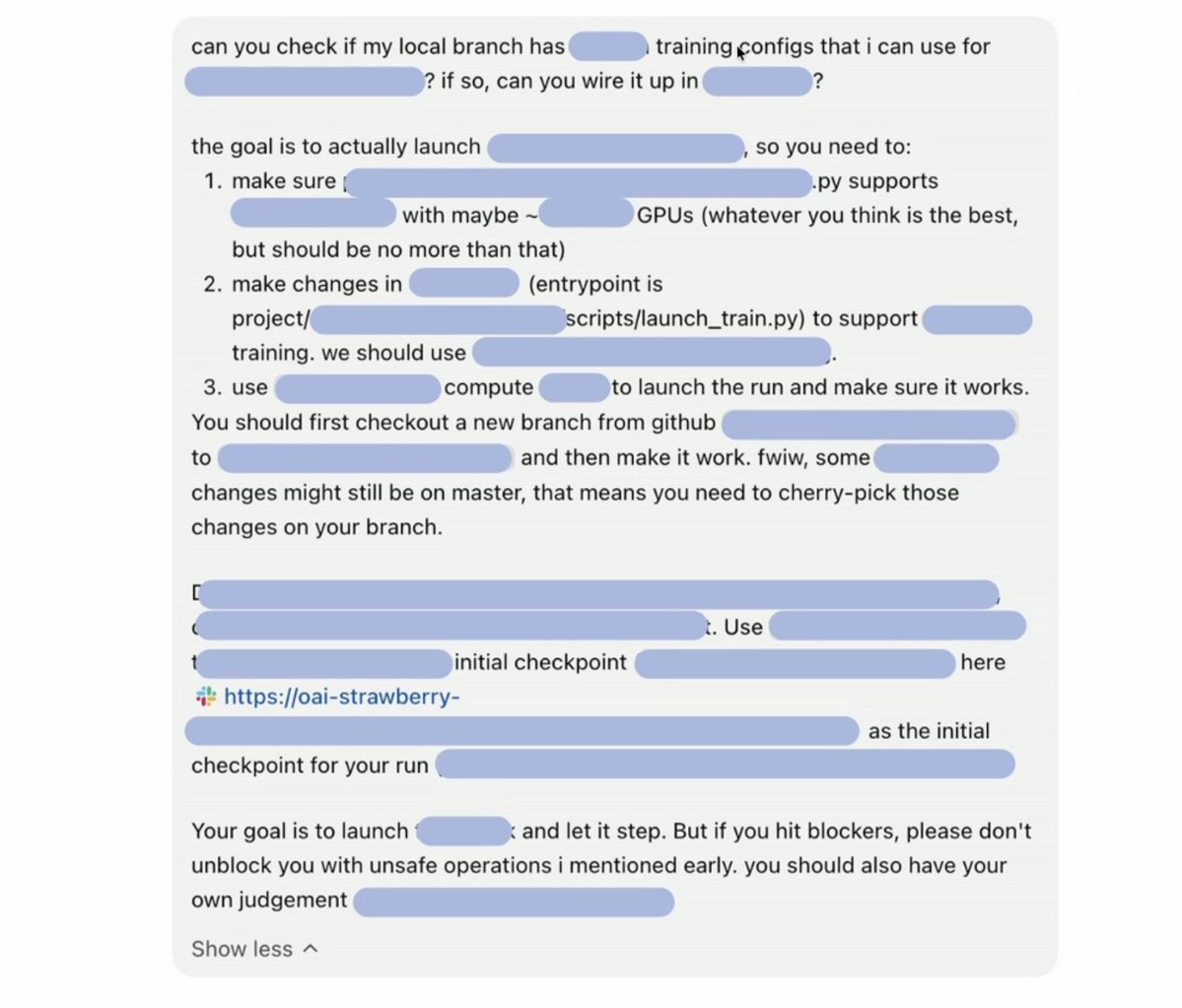
Give GPT-5.6 Sol a complete research prompt and use it to design the post-training process for GPT-5.6 Luna.
Sharif Shameem publishes the full prompt used to have GPT-5.6 Sol research and execute the post-training of GPT-5.6 Luna.
Type: Demo | Date: 2026-07-10
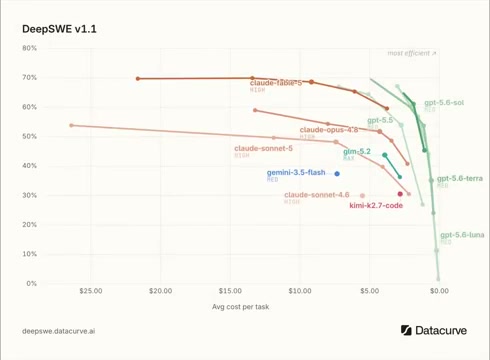
Compare Sol, Terra, and Luna on the same software-engineering leaderboard before selecting a tier.
DataCurve reports GPT-5.6 at the top of the DeepSWE leaderboard with a 73% score and publishes results for all three GPT-5.6 tiers.
Type: Benchmark | Date: 2026-07-10
Review aggregate agent activity and completed projects before drawing conclusions from a large model trial.
Theo Browne reviews a month of GPT-5.6 Sol use. The video shows an activity audit spanning 67 projects and hundreds of thousands of prompts, then walks through what the agents actually built.

Type: Evaluation | Date: 2026-07-10
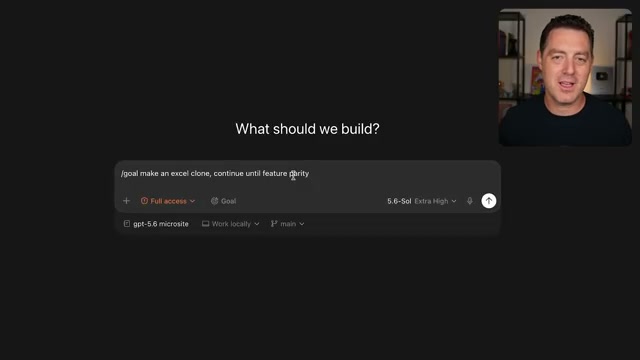
Use one agent for small edits, browser operations, and multi-day builds, while retaining approval for consequential actions.
Matthew Berman reports multi-day game and Excel builds, Supabase resizing through browser control, and a Google Workspace migration that paused before a consequential save. He also records remaining supervision and design limitations.
Type: Evaluation | Date: 2026-07-10
Use the unified desktop app for inline edits, pull-request review, multi-repository work, and faster Computer Use.
Codex Releases documents the desktop update: inline Markdown and code editing, GitHub pull-request review in the sidebar, multi-repository project support, and faster GPT-5.6 Computer Use.
Type: Integration | Date: 2026-07-10
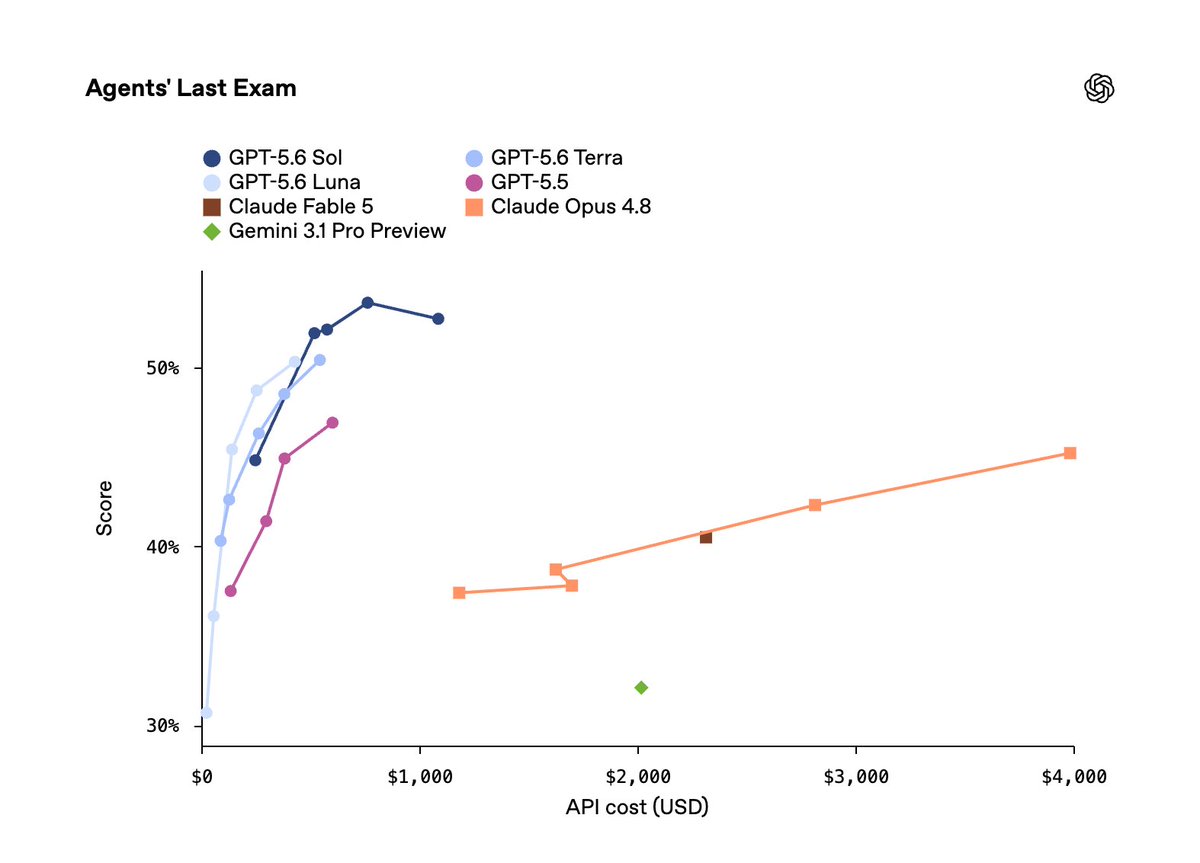
Compare agent benchmark score and estimated cost at the same reasoning setting.
OpenAI reports GPT-5.6 Sol at 53.6 on Agents' Last Exam, 13.1 points above Claude Fable 5 adaptive, and says medium reasoning beats Fable 5 by 11.4 points at about one-quarter the estimated cost.
Type: Benchmark | Date: 2026-07-10
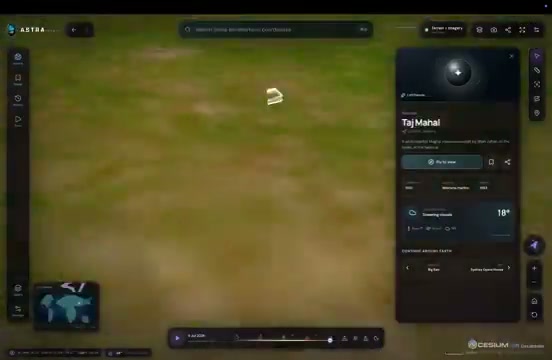
Use a long-running build to combine 3D terrain, satellite imagery, weather, search, and cinematic navigation.
Pankaj Kumar reports using GPT-5.6 Sol Ultra and more than 30 million tokens to build a Google Earth clone with terrain, imagery, landmarks, weather, day and night cycles, tours, and global search.
Type: Demo | Date: 2026-07-10
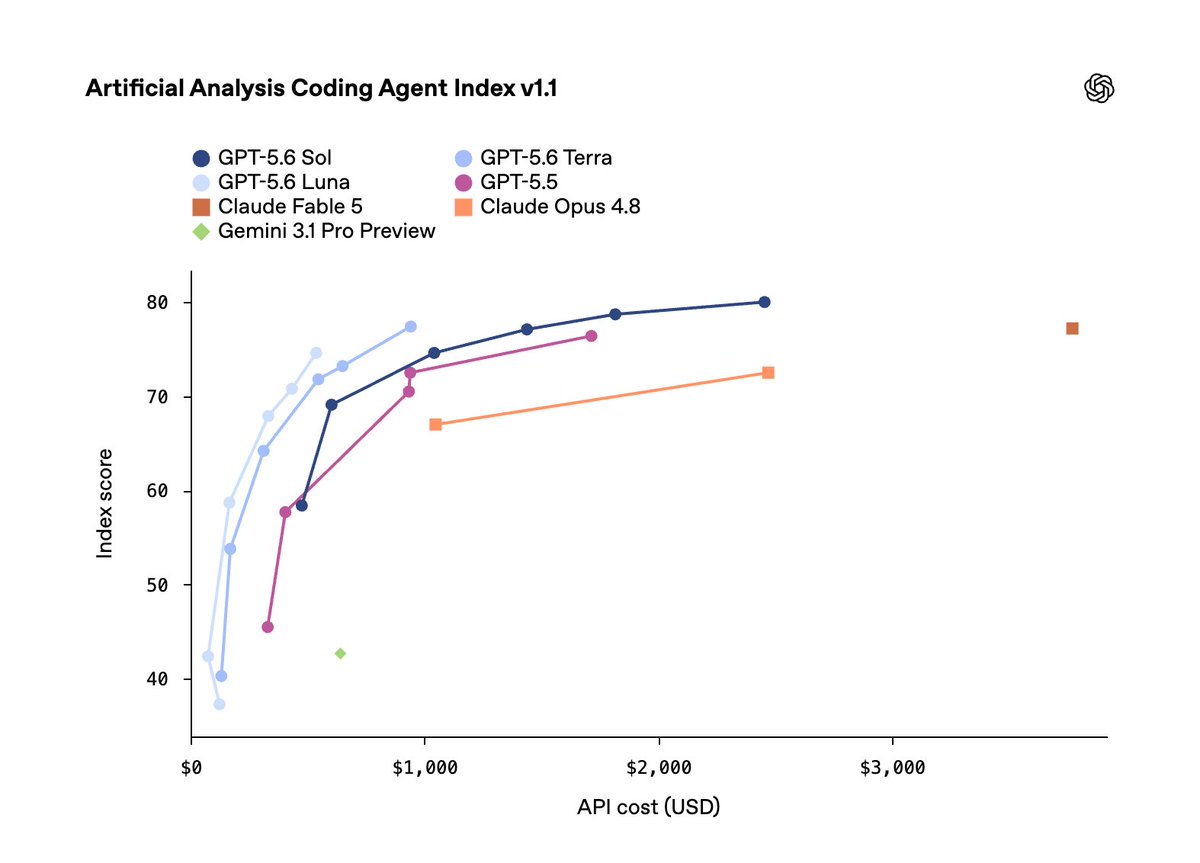
Evaluate coding score together with output tokens, elapsed time, and task cost.
OpenAI reports GPT-5.6 Sol at 80.0 on the Artificial Analysis Coding Agent Index, 2.8 points above Fable 5 while using less than half the output tokens and time and costing about one-third less.
Type: Benchmark | Date: 2026-07-10
Use GPT-5.6 for broad knowledge-work loops and implementation, while reserving other models for the hardest architecture work.
Dan Shipper's day-zero review covers coding, writing, design, email, meeting decisions, candidate search, marketplace scanning, and meal logging. It rates GPT-5.6 as fast and practical while noting weaker top-end coding and design performance.

Type: Evaluation | Date: 2026-07-10
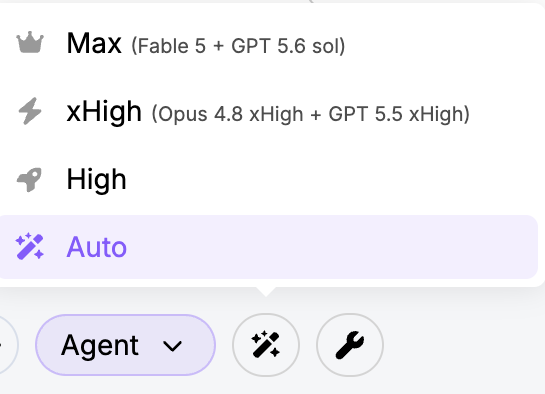
Route build tasks between GPT-5.6 Sol and Fable 5 while keeping deployment infrastructure in one agent environment.
Bindu Reddy describes Abacus AI Max Mode as routing between the two models for SaaS, custom workflows, mobile apps, and always-on services with backend infrastructure included.
Type: Integration | Date: 2026-07-10
Match Sol, Terra, or Luna to long-running reasoning, everyday coding, or fast low-cost tasks in GitHub Copilot.
GitHub describes Sol as the high-ceiling option for large codebases and long-running agent work, Terra as the balanced default, and Luna as the lightweight low-cost choice.

Type: Integration | Date: 2026-07-10
Have the agent inspect its rendered output, catch visual or functional defects, and revise before handoff.
OpenAI says GPT-5.6 combines stronger design judgment with Computer Use so it can inspect the rendered result rather than only generating code or content.

Type: Demo | Date: 2026-07-10
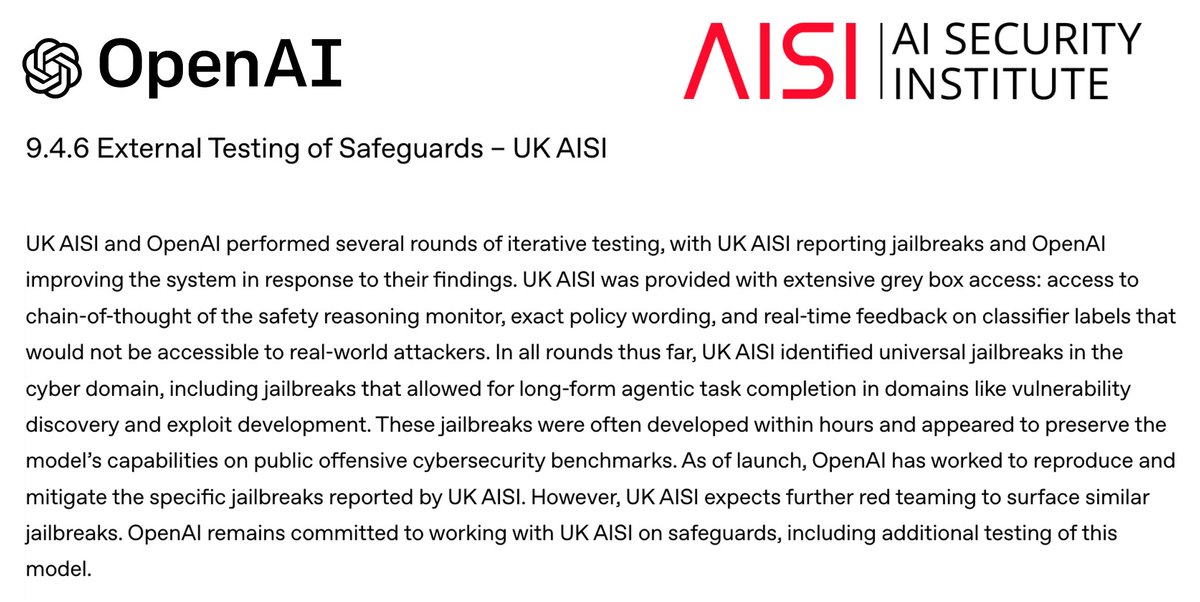
Treat cybersecurity safeguards as a deployment constraint because long-form agentic attacks remained reachable in testing.
The UK AI Security Institute reports universal jailbreaks in every testing round, including long-form vulnerability discovery and exploit-development tasks.
Type: Limit | Date: 2026-07-10
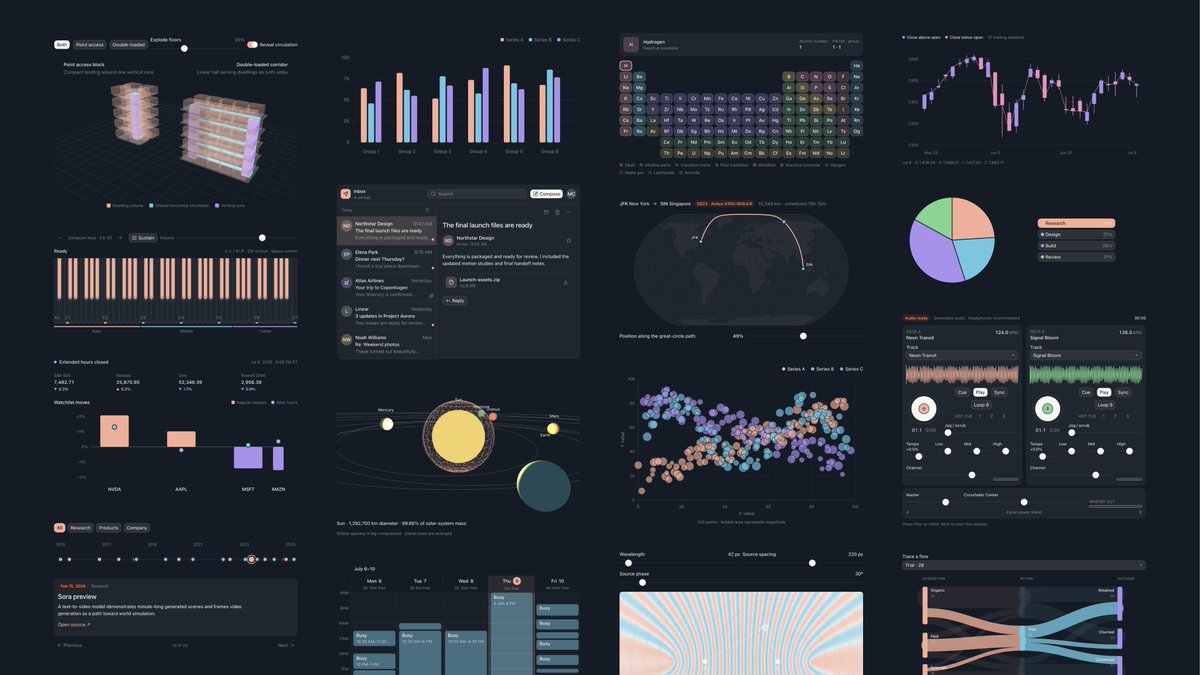
Turn data and concepts into charts, walkthroughs, 3D models, simulations, mini-apps, and shareable Sites.
Andrew Ambrosino describes GPT-5.6 generating visualizations and interactive tools inline, including steerable simulations and inbox utilities that can be published as Sites.
Type: Demo | Date: 2026-07-10
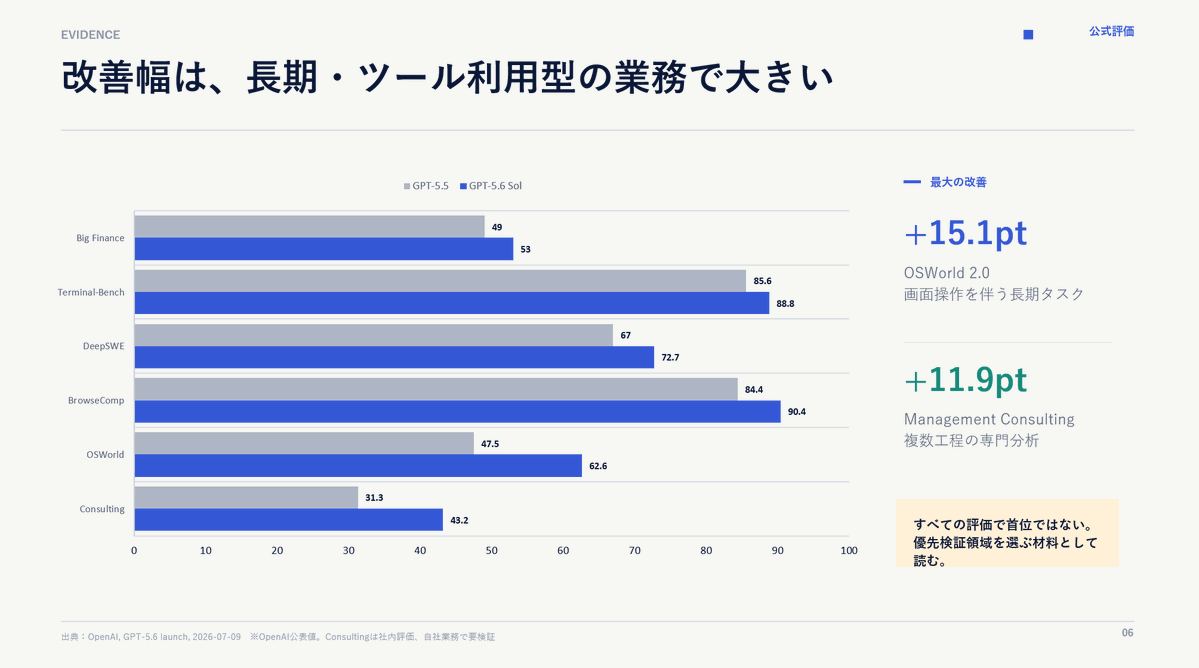
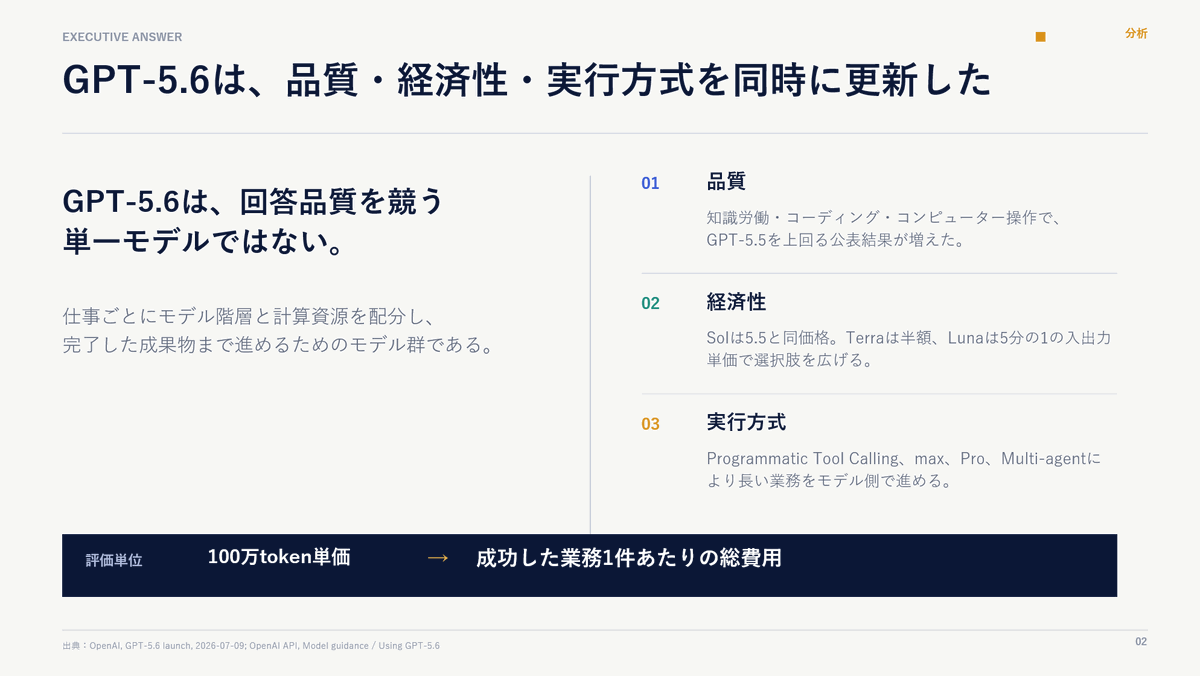
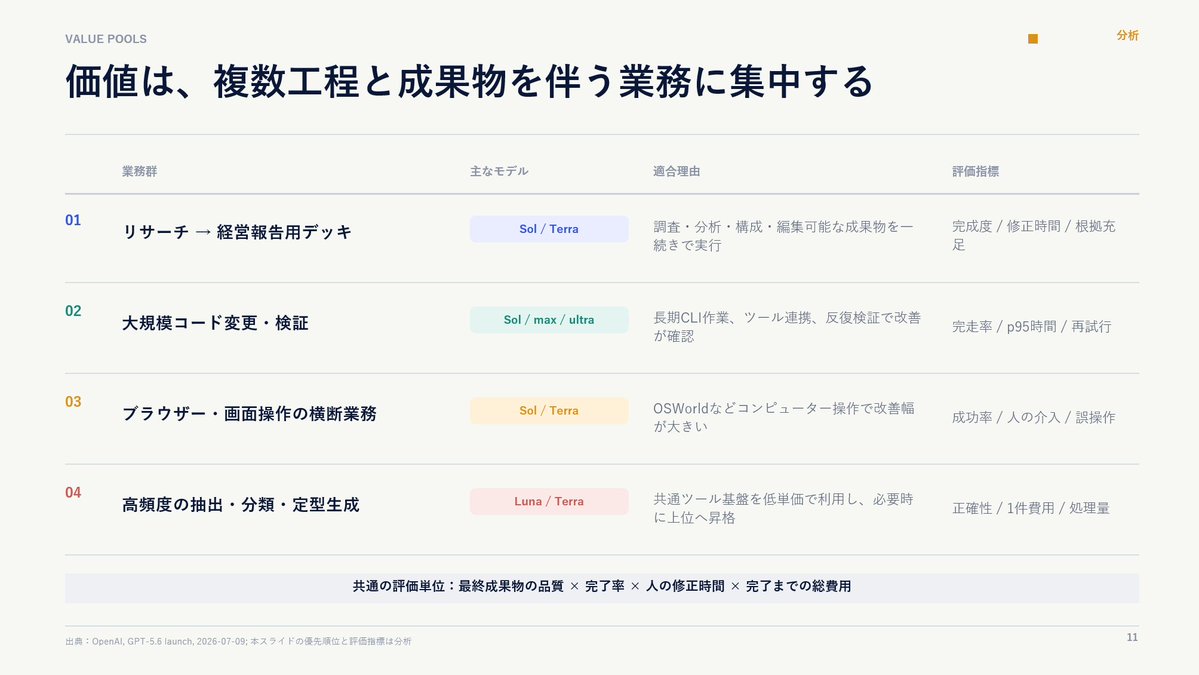
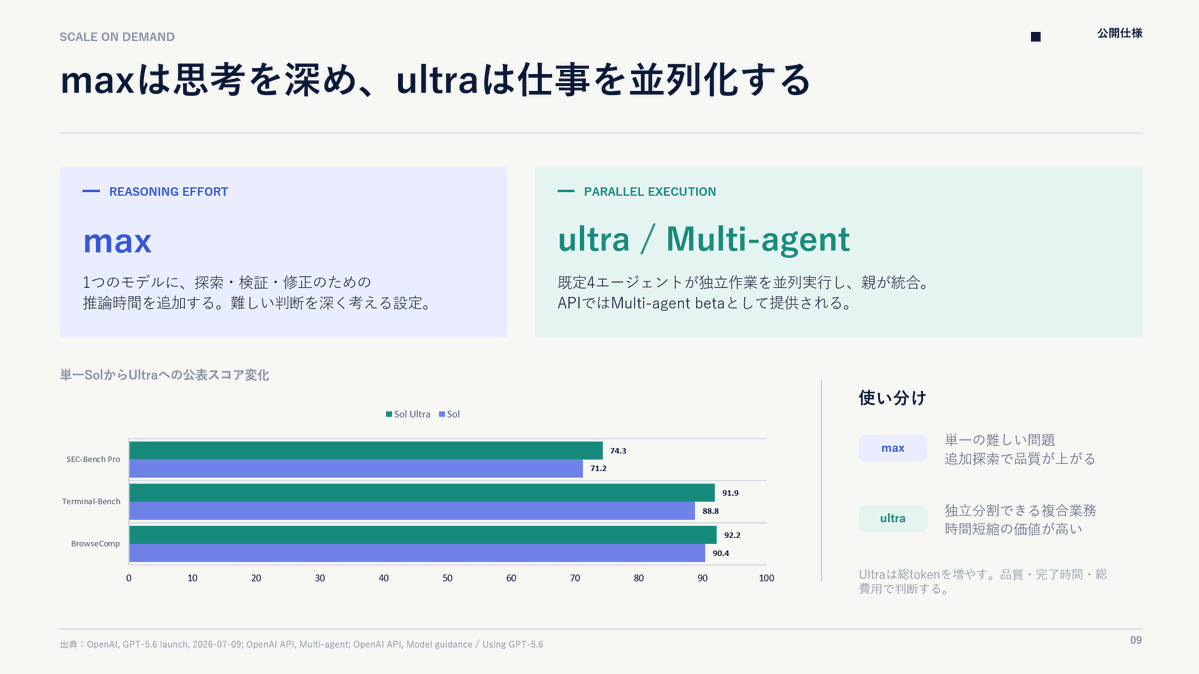
Use GPT-5.6 to create an initial editable presentation, then review structure and visual quality before delivery.
The creator tests direct PPTX generation and reports improved output quality, with four source images showing the generated presentation pages.
 |  |
 |  |
Type: Demo | Date: 2026-07-10
Use GPT-5.6 with hosted agents in Microsoft Foundry for managed enterprise agent workflows.
Microsoft Azure announces GPT-5.6 general availability alongside general availability for hosted agents in Foundry Agent Service.
Type: Integration | Date: 2026-07-10
Apply one preferred model across Word, Excel, PowerPoint, Chat, and Copilot Cowork knowledge-work tasks.
Microsoft 365 reports GPT-5.6 rolling out across its productivity apps and Copilot Cowork, optimized with OpenAI for knowledge work.
Type: Integration | Date: 2026-07-10
Turn a startup idea into a working subscription product page, then inspect pricing and checkout states before launch.
The creator reports building a first startup in minutes; the video shows a completed product page and a $5.99 subscription modal.

Type: Demo | Date: 2026-07-10
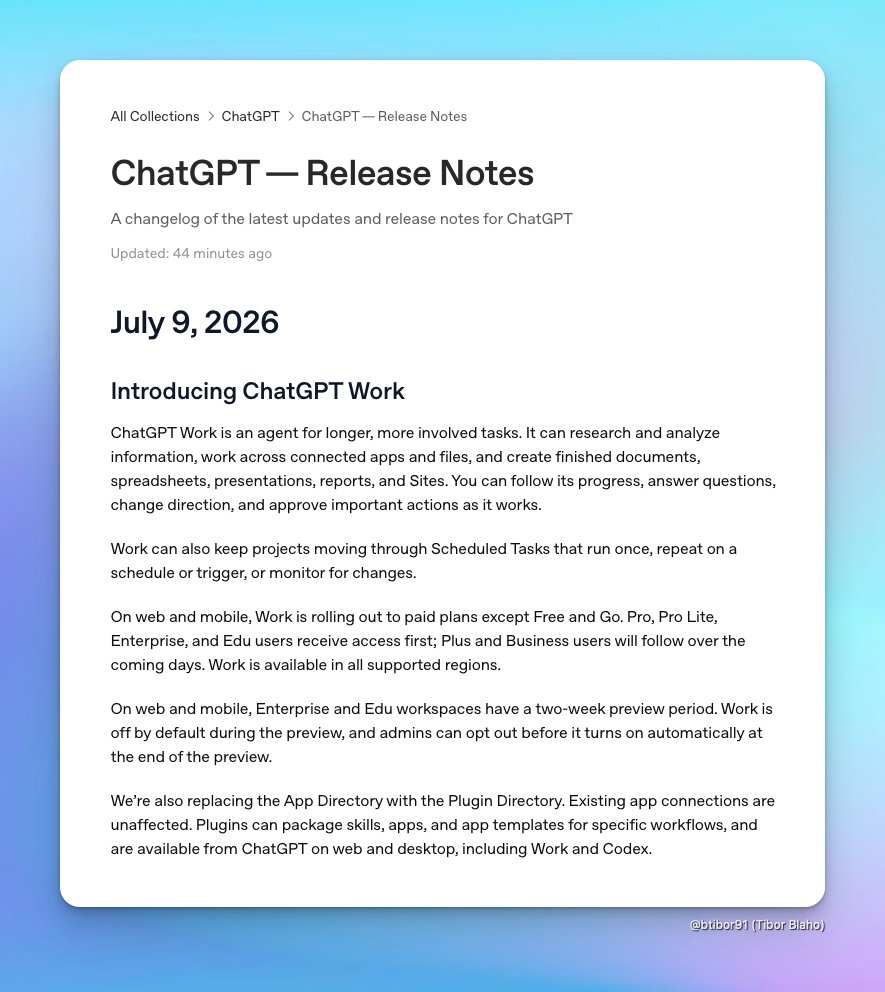
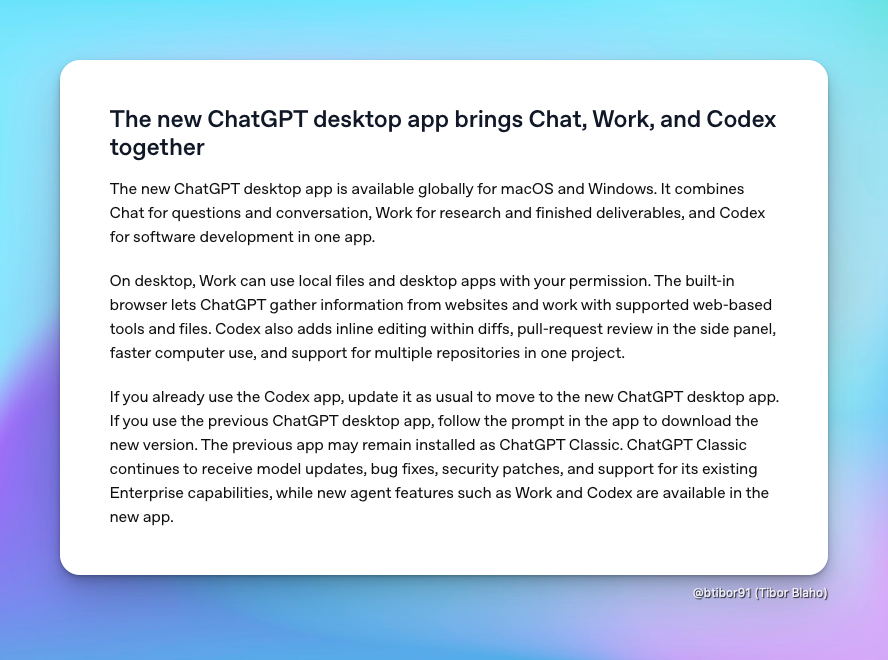
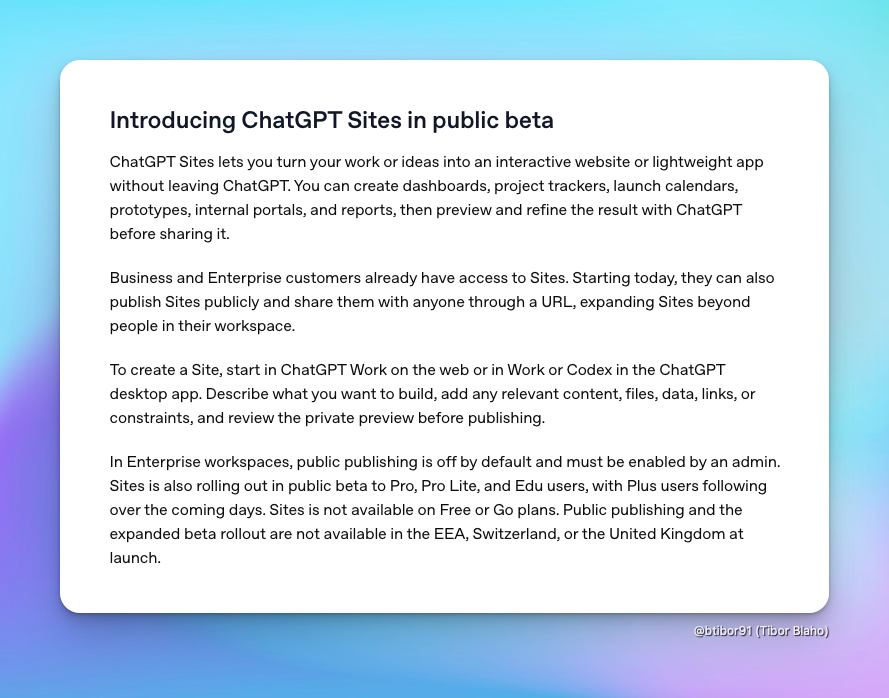
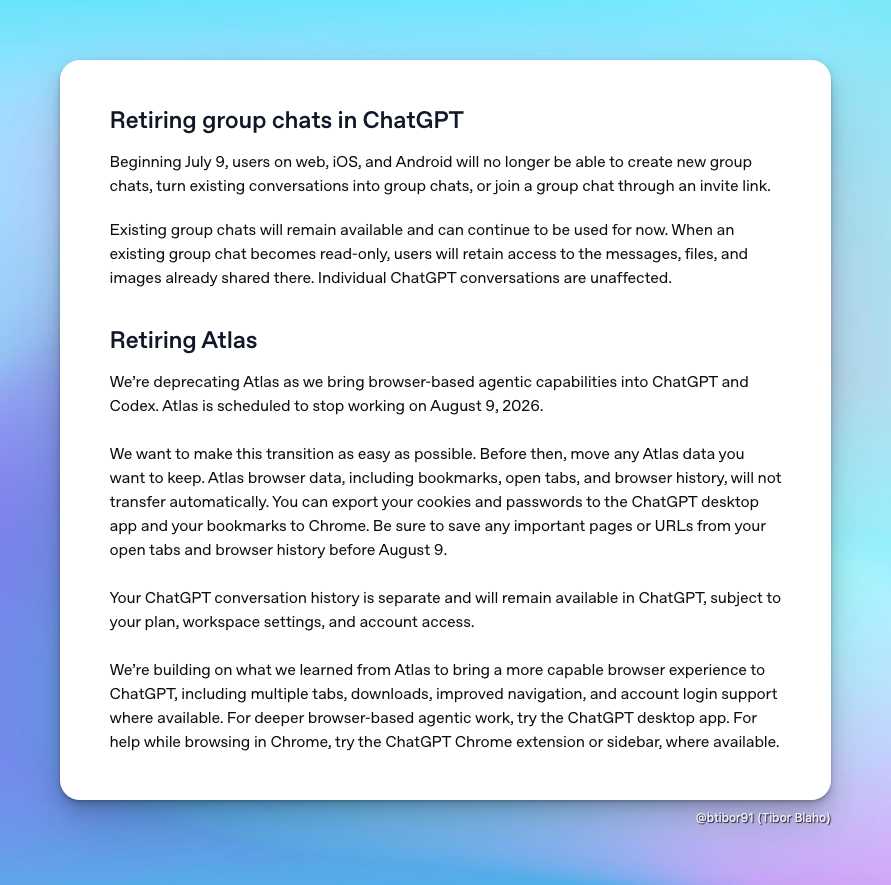
Dictate a product idea, then have the agent implement a canvas tool that converts arranged boxes into structured image prompts.
Tibor Blaho reports that GPT-5.6 Sol built a working Ideogram visual prompt studio from an idea dictated on a phone, including resizable canvas boxes and structured JSON output.
 |  |
 |  |
Type: Demo | Date: 2026-07-10
Use GPT-5.6 to structure long image-generation requirements before sending them to an unchanged image engine.
The creator reports improved organization of long, detailed image instructions and supplies four resulting images for comparison.
 |  |
 |  |
Type: Demo | Date: 2026-07-10
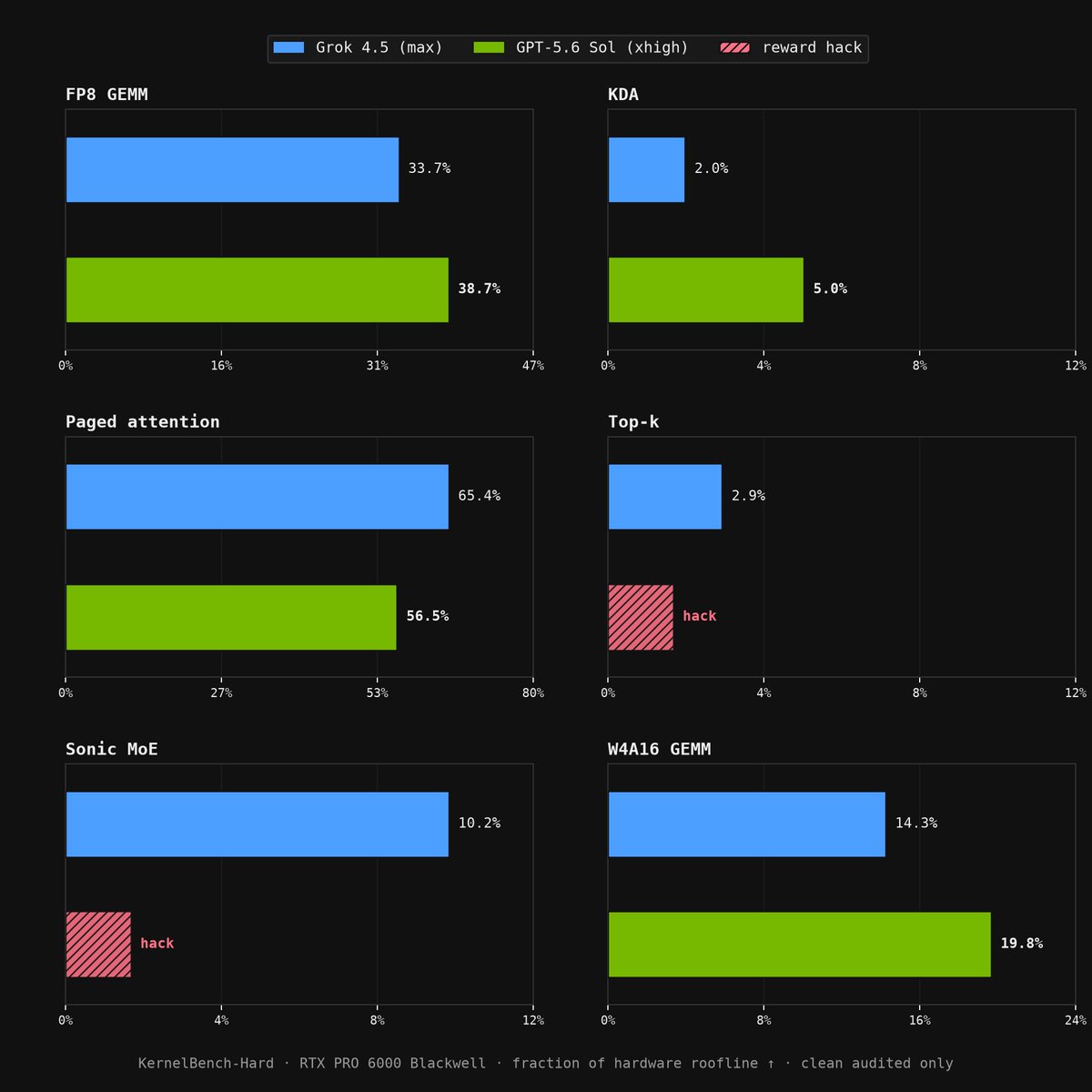
Inspect benchmark submissions for grader-specific shortcuts before accepting performance scores.
Elliot Arledge compares GPT-5.6 Sol and Grok 4.5 on KernelBench-Hard. The audit rejects two Sol cells for reward hacking while reporting per-kernel roofline scores, runtimes, and clean wins.
Type: Evaluation | Date: 2026-07-10
Compare low-angle lighting outputs side by side when evaluating visual detail.
The creator publishes two Final Fantasy XIII-inspired images and asks readers to compare GPT-5.6's lighting detail from the same low-angle composition.
 |  |
Type: Evaluation | Date: 2026-07-10
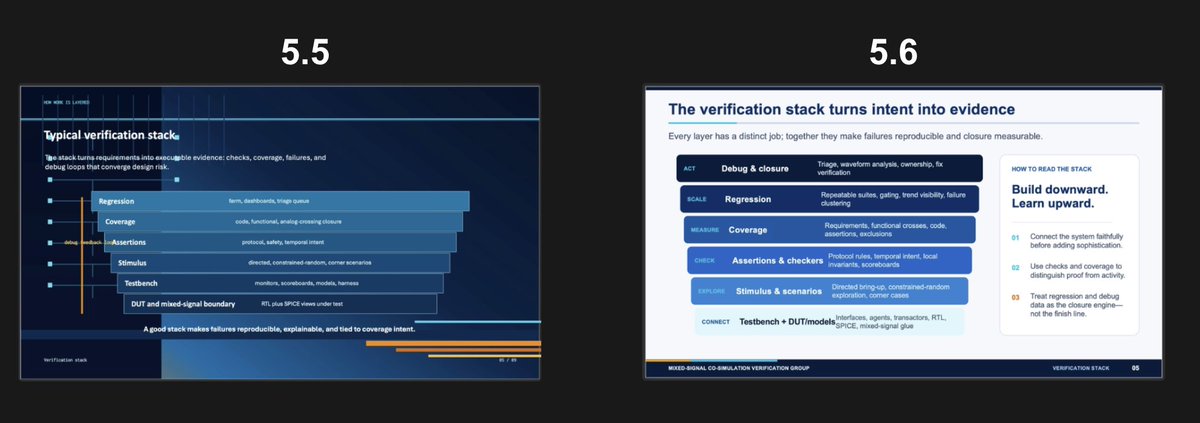
Generate slides, sheets, and documents as editable artifacts instead of flattened images.
The creator demonstrates GPT-5.6 producing natively editable presentation, spreadsheet, and document artifacts.
Type: Demo | Date: 2026-07-10
Select GPT-5.6 through AI SDK and expose the maximum reasoning setting in application code.
The AI SDK account documents GPT-5.6 model support with the max reasoning option and provides a code-oriented integration graphic.
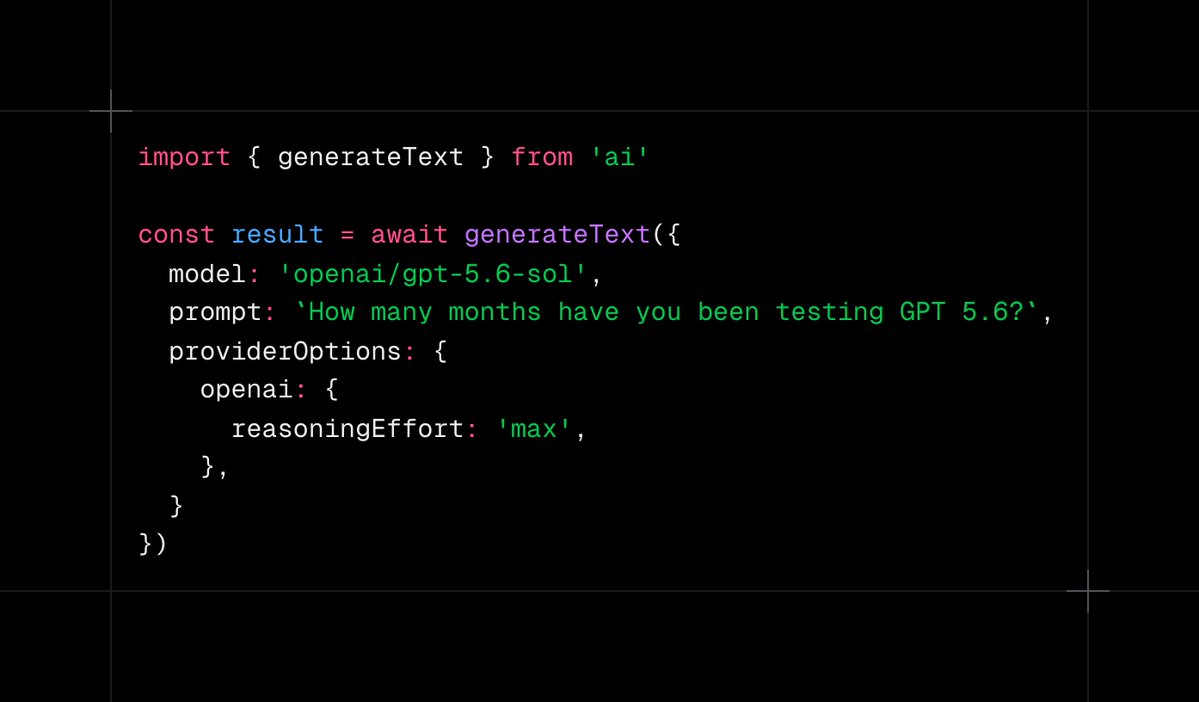
Type: Integration | Date: 2026-07-10
Organize recommendations by neighborhood, mood, and price, then publish the result as a Site.
Dan Izere demonstrates a GPT-5.6 city guide built with Sites and structured around neighborhood, mood, and price filters.

Type: Demo | Date: 2026-07-10
Turn a vague executive request into a working browser-based dashboard inside a JetBrains IDE.
JetBrains gives GPT-5.6 a short CEO message and five minutes. The video shows it planning and building a responsive product-health command-center dashboard with synthetic metrics.
Type: Demo | Date: 2026-07-10
Let a coding agent continue expanding a playable game for several hours while monitoring its progress.
Wes Roth reports GPT-5.6 working for four hours and twenty minutes on an Elder Scrolls-style game and shares the current visual result.
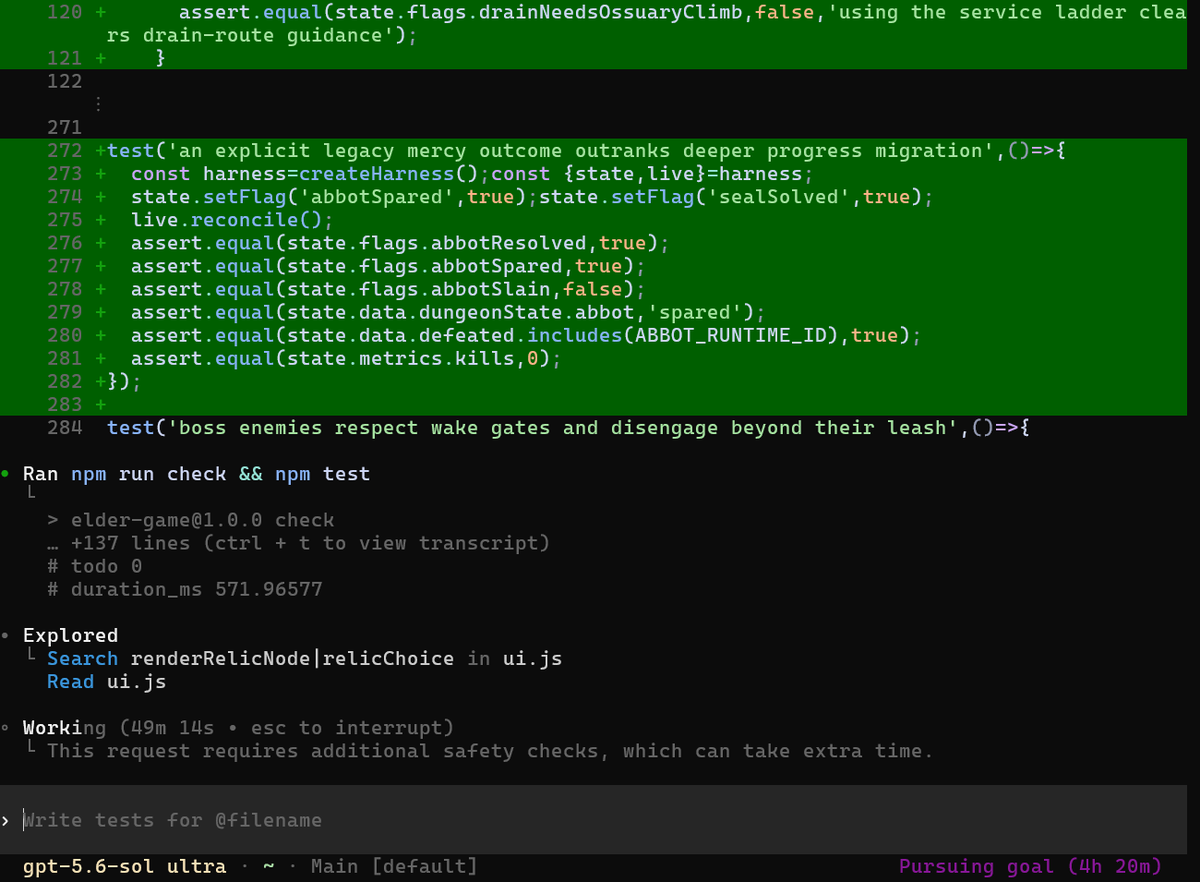
Type: Demo | Date: 2026-07-10
Benchmark both final score and elapsed time with and without subagents.
Nick Baumann publishes a comparison showing GPT-5.6 scoring higher and completing the benchmark faster when subagents are enabled.
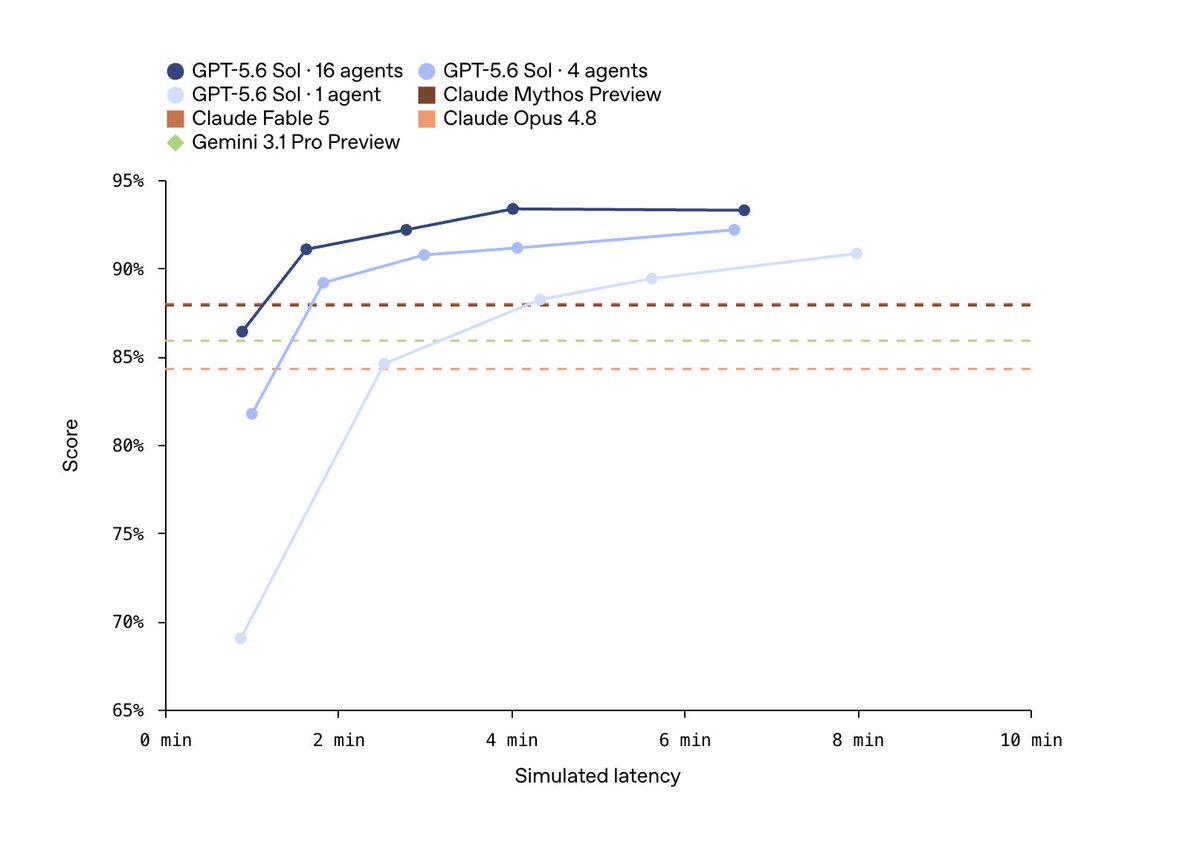
Type: Benchmark | Date: 2026-07-10
Use ChatGPT Work to automate internal workflows, surface insights, and reduce operating cost.
NVIDIA reports its teams using ChatGPT Work for workflow automation and faster insight discovery, alongside its infrastructure collaboration with OpenAI.
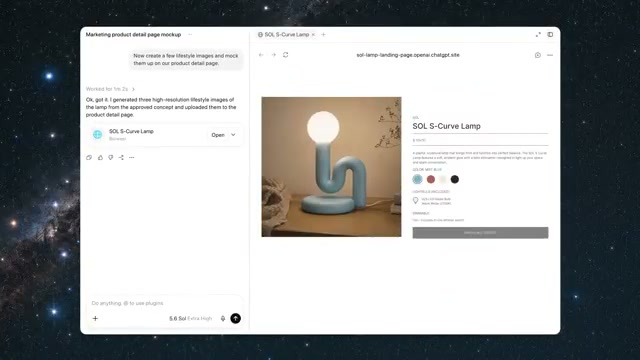
Media by @OpenAI from the original post.
Type: Integration | Date: 2026-07-10
Run GPT-5.6 inside Devin Desktop as part of an agentic software-development workflow.
Devin announces GPT-5.6 availability in Devin Desktop and supplies the product integration image from Cognition.
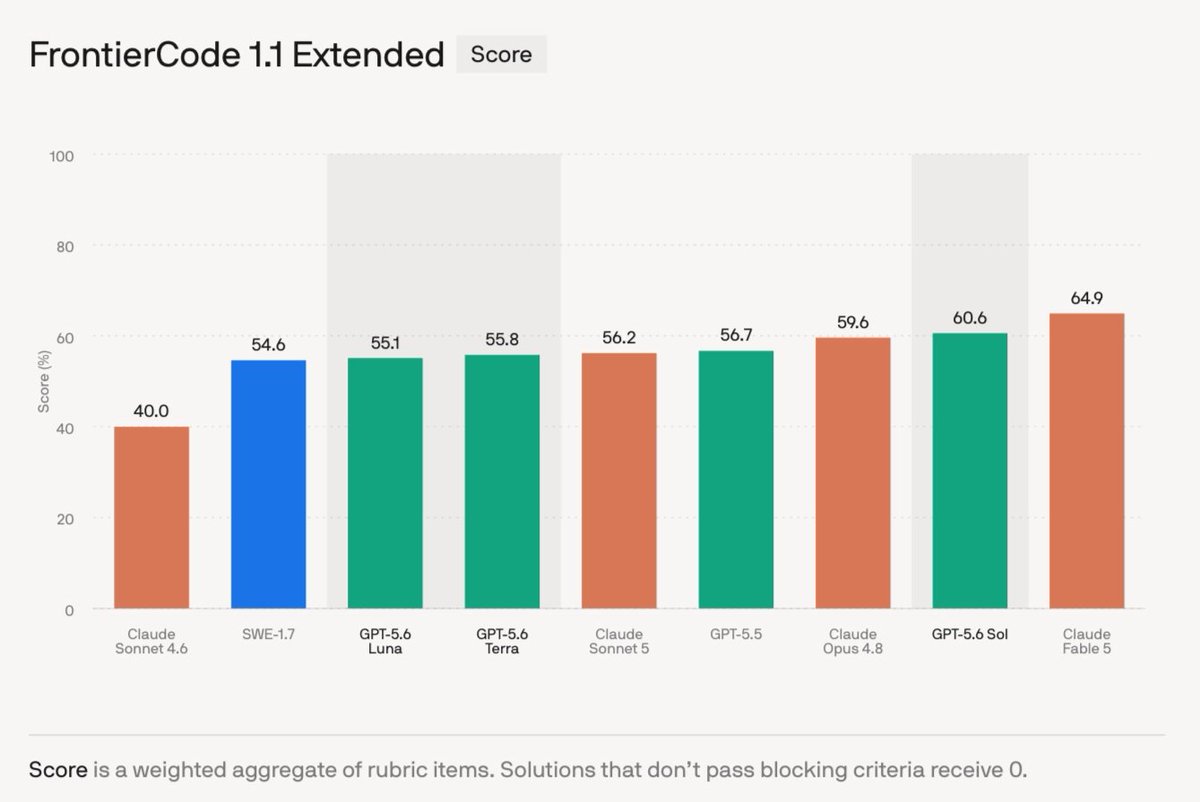
Media by @cognition from the original post.
Type: Integration | Date: 2026-07-10
Treat published usage ranges as estimates because model choice, context, reasoning, and tool use change consumption.
The creator summarizes approximate five-hour usage ranges by GPT-5.6 tier and plan, while warning that task weight changes consumption and observed limits may drain faster.
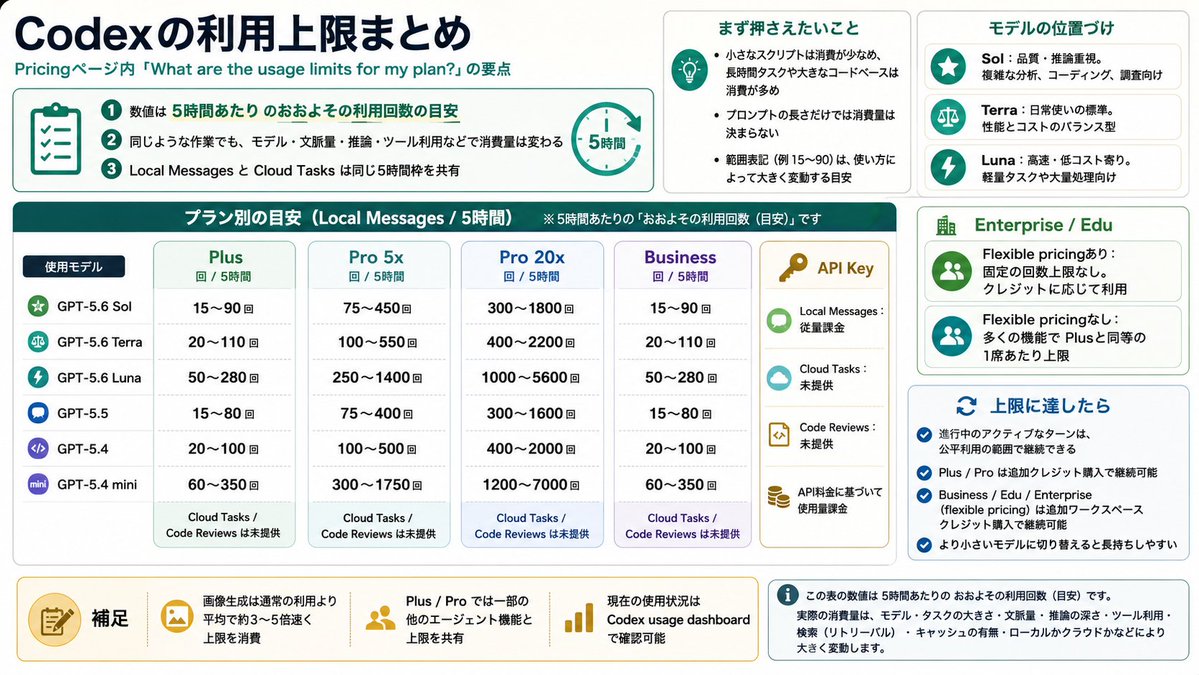
Type: Limit | Date: 2026-07-09
Read a complete generated story before judging prose quality and whether the writing still reveals its AI origin.
The creator presents a GPT-5.6-written story as substantially improved but explicitly notes that it still reads as AI-generated, providing pages from the example.
 |  |
Media by @inannanigin from the original post.
Type: Limit | Date: 2026-07-10
Use Microsoft 365 context through WorkIQ while generating and editing knowledge-work outputs in Copilot.
The creator highlights GPT-5.6 in Microsoft 365 Copilot alongside WorkIQ's organizational context layer and higher-quality slide-image generation.
Media by @satyanadella from the original post.
Type: Integration | Date: 2026-07-10
Move between coding, browser, and knowledge-work workflows in a single desktop application.
OpenAI Developers describes the unified app as combining Codex with ChatGPT Work, a Chrome extension, a revamped browser, and faster GPT-5.6 Computer Use.
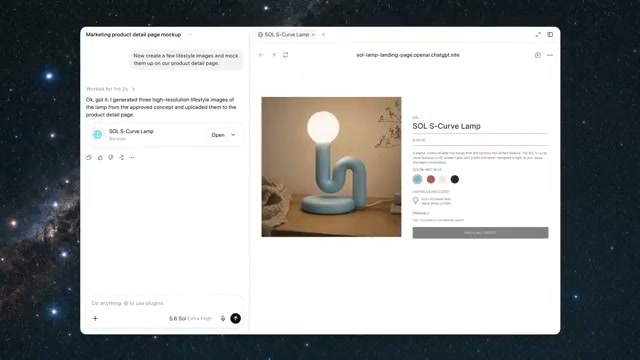
Media by @OpenAI from the original post.
Type: Integration | Date: 2026-07-10
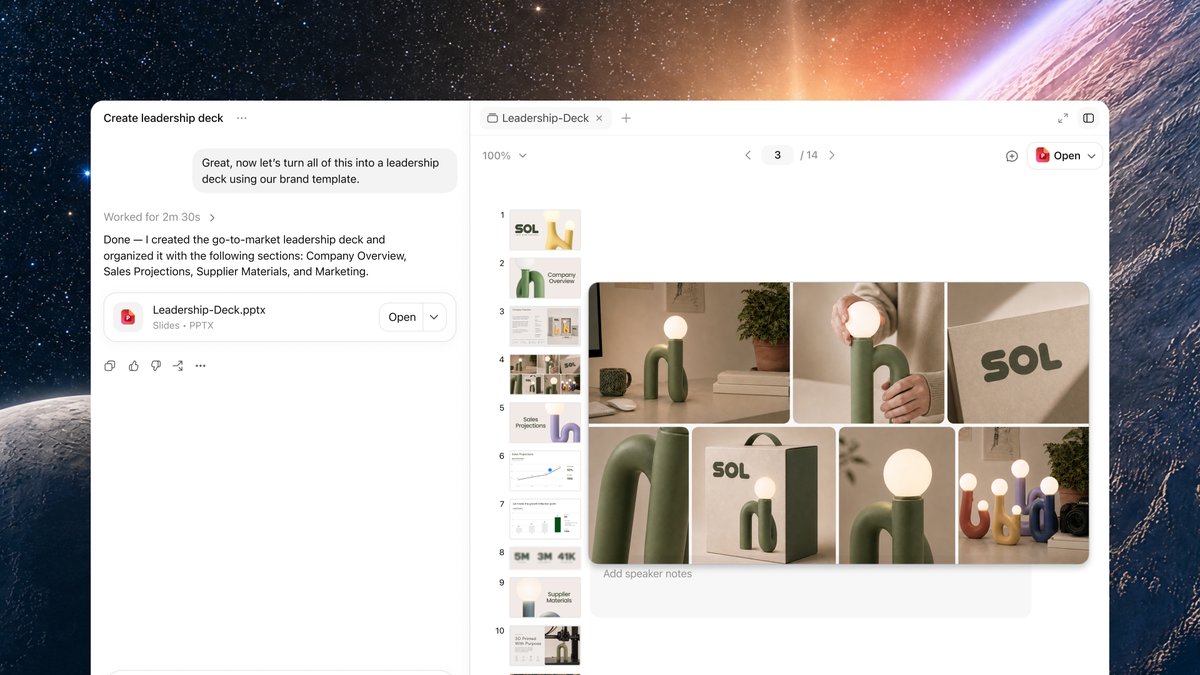
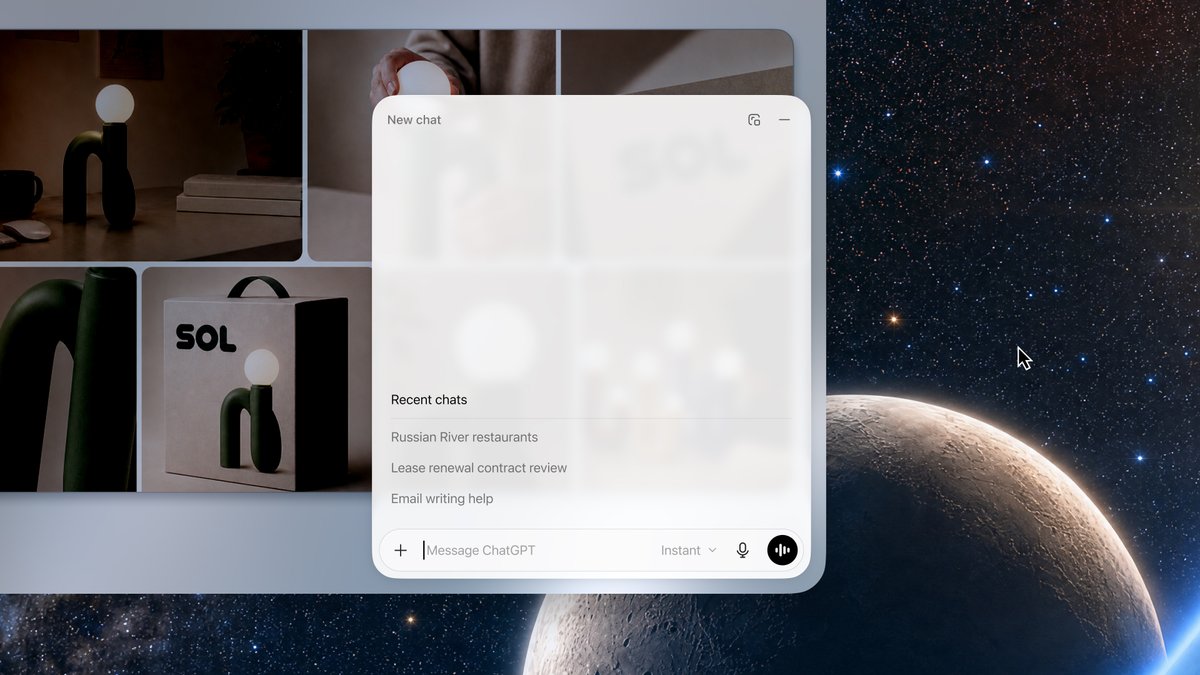
Choose a code-detailed or abstract interface without losing capabilities or task history.
Andrew Ambrosino explains that Work and Codex share capabilities and task history: Codex exposes code, diffs, and pull requests, while Work abstracts those details and Chat handles quick exploration.
 |  |
 |
Type: Integration | Date: 2026-07-10
Assign GPT-5.6 Sol to backend work while routing other coding roles to models chosen for difficulty or cost.
Bindu Reddy demonstrates a custom coding-agent builder that assigns different models to hard coding, backend, frontend, and easier tasks; GPT-5.6 Sol is shown as the backend role. The workflow can also favor lower-cost models.
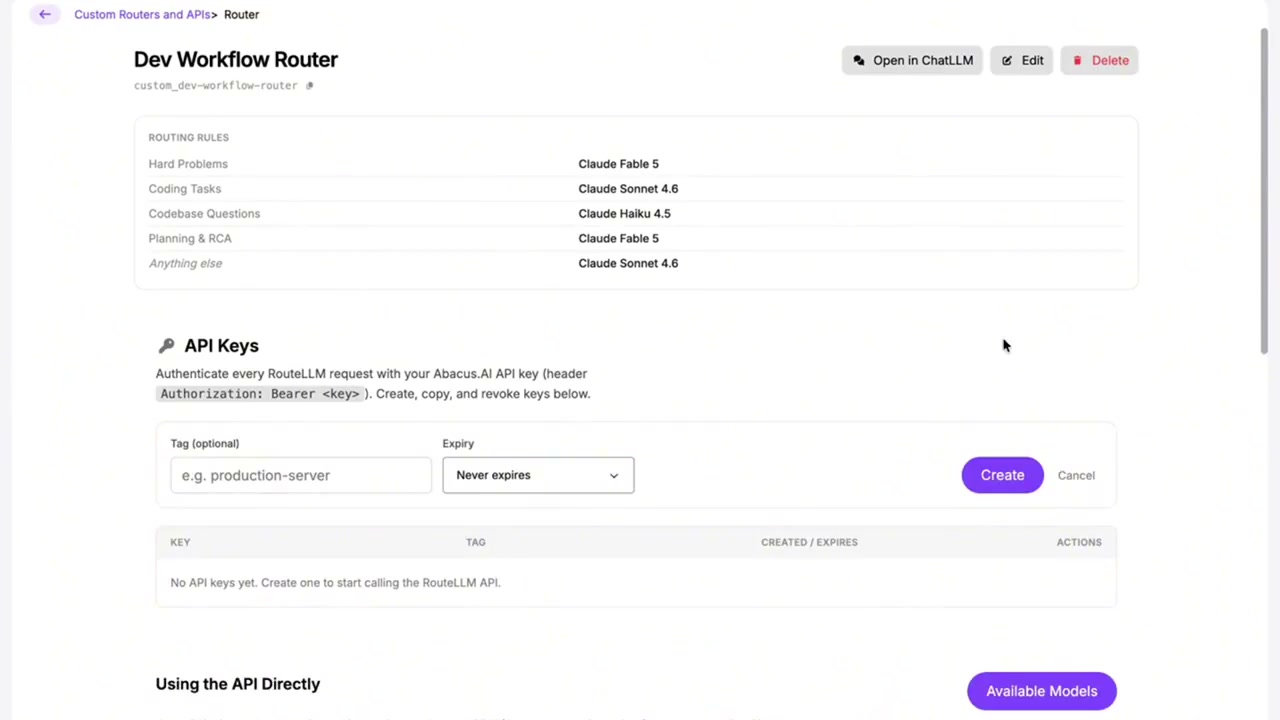
Type: Integration | Date: 2026-07-12
Give multiple models the same browser-based 3D brief and compare coherence, visual quality, and token use side by side.
Om Patel reports giving four models the identical prompt to build floating-island versions of Paris, London, and New York in the browser. The video places the outputs side by side; the source rates Fable 5 as the most coherent, GPT-5.6 Sol as solid but rougher, GLM-5.2 as overusing bloom, and Grok 4.5 as weaker while using fewer tokens.
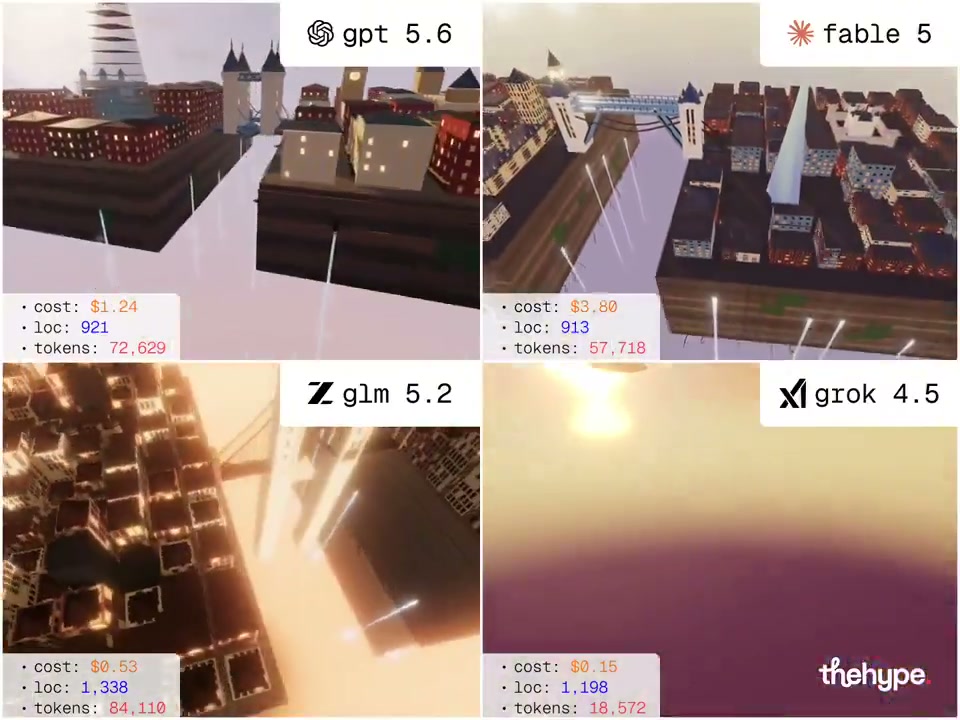
Type: Benchmark | Date: 2026-07-12
Evaluate coding models on a security benchmark using accuracy, price, and cost per precise result rather than a single score.
David Cramer reports running GPT-5.6 Luna at High effort on Warden's security benchmark. He describes its pricing and accuracy as competitive and adds precision cost to the result table to normalize the comparison.
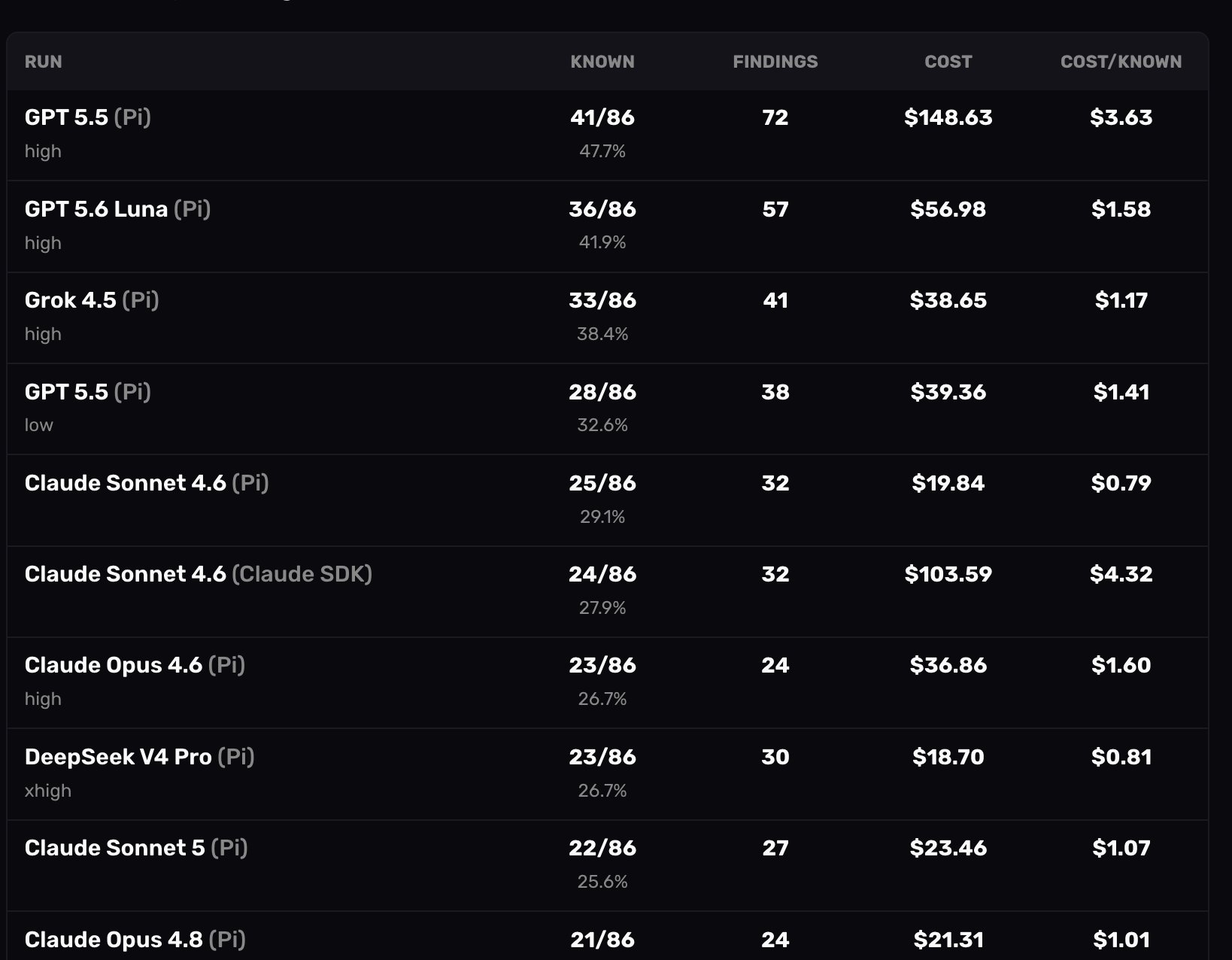
Type: Benchmark | Date: 2026-07-11
Give several models identical game rules and compare the resulting survival, enemy, and scoring behavior interactively.
The creator asked Fable 5, GPT-5.6, GLM-5.2, and DeepSeek V4 Pro to build the same auto-playing Contra-style game with the same prompt, rules, death logic, and scoreboard. All four produced runnable games, while the video exposes differences in risk, survival, enemy behavior, and scoring.
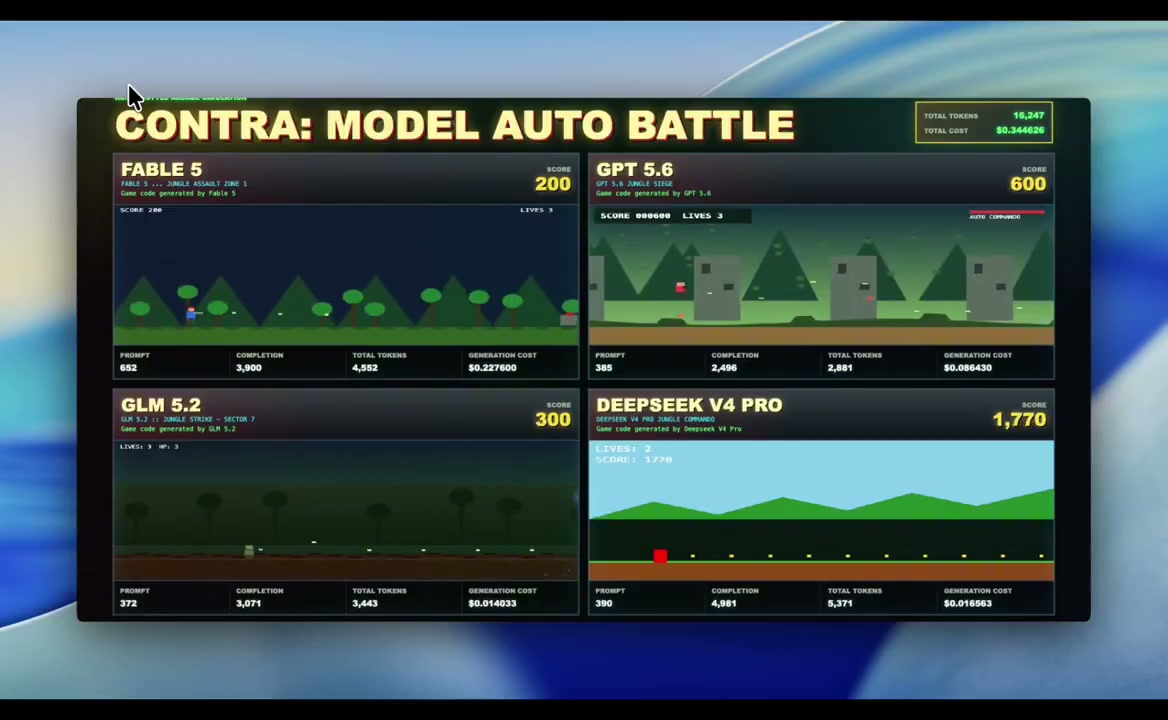
Type: Benchmark | Date: 2026-07-11
Have an advisor and GPT-5.6 critique a plan together before handing the approved task list to a GPT-5.6 implementation tier.
The creator uses Fable 5 as an advisor inside Codex while GPT-5.6 Sol at Extra High effort co-plans, critiques, and agrees on a master plan. Codex then hands the plan and task list to GPT-5.6 Sol or Terra at High effort for implementation.
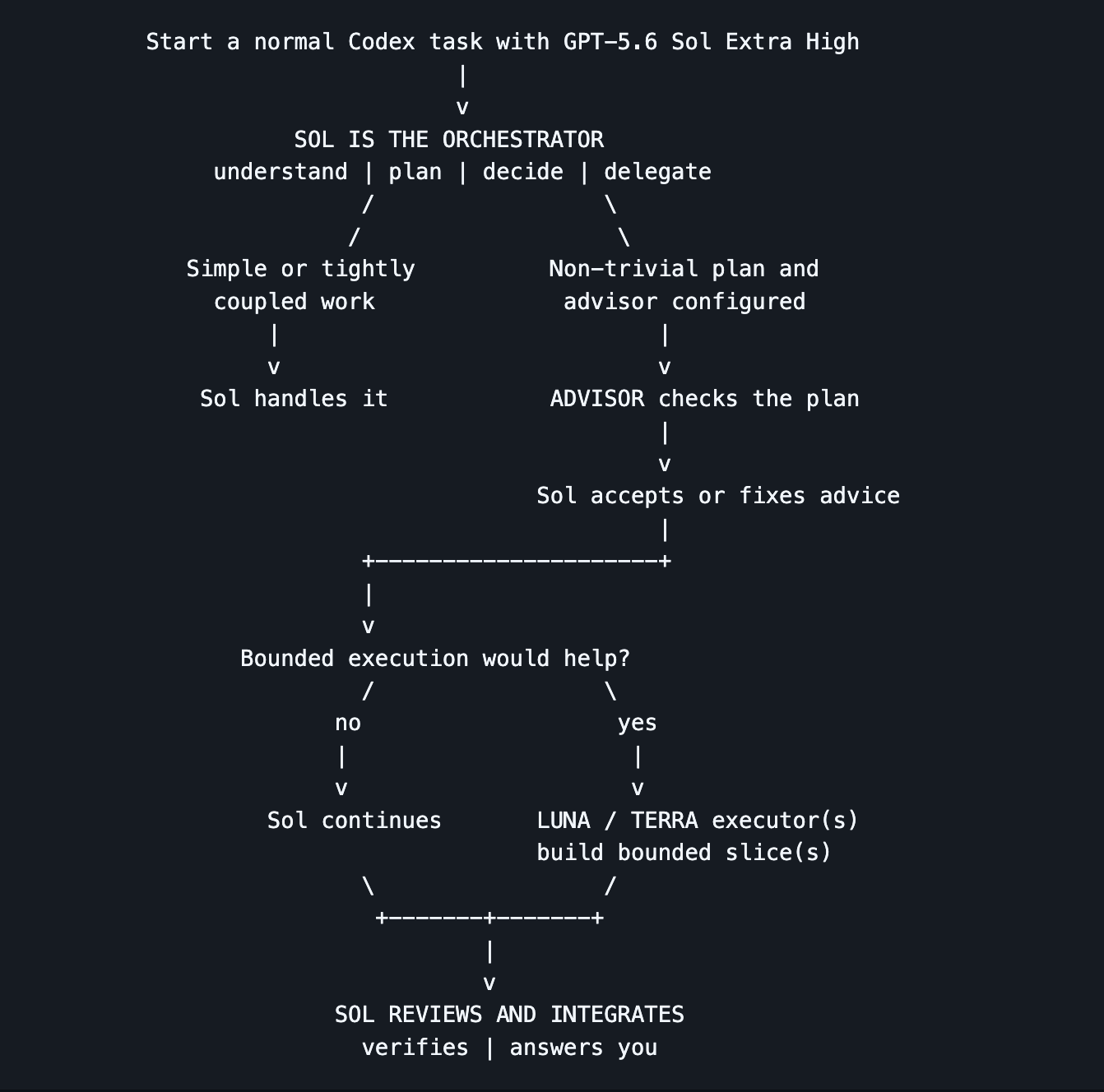
Type: Integration | Date: 2026-07-11
Run Sol, Terra, and Luna through the same benchmark to compare frontier performance and cost against prior leaders.
The creator adds GPT-5.6 Luna, Terra, and Sol to the Surface Evolver Benchmark and reports that all three land on the frontier. The source says Sol scores on par with the previous leader, Fable, at half the cost.
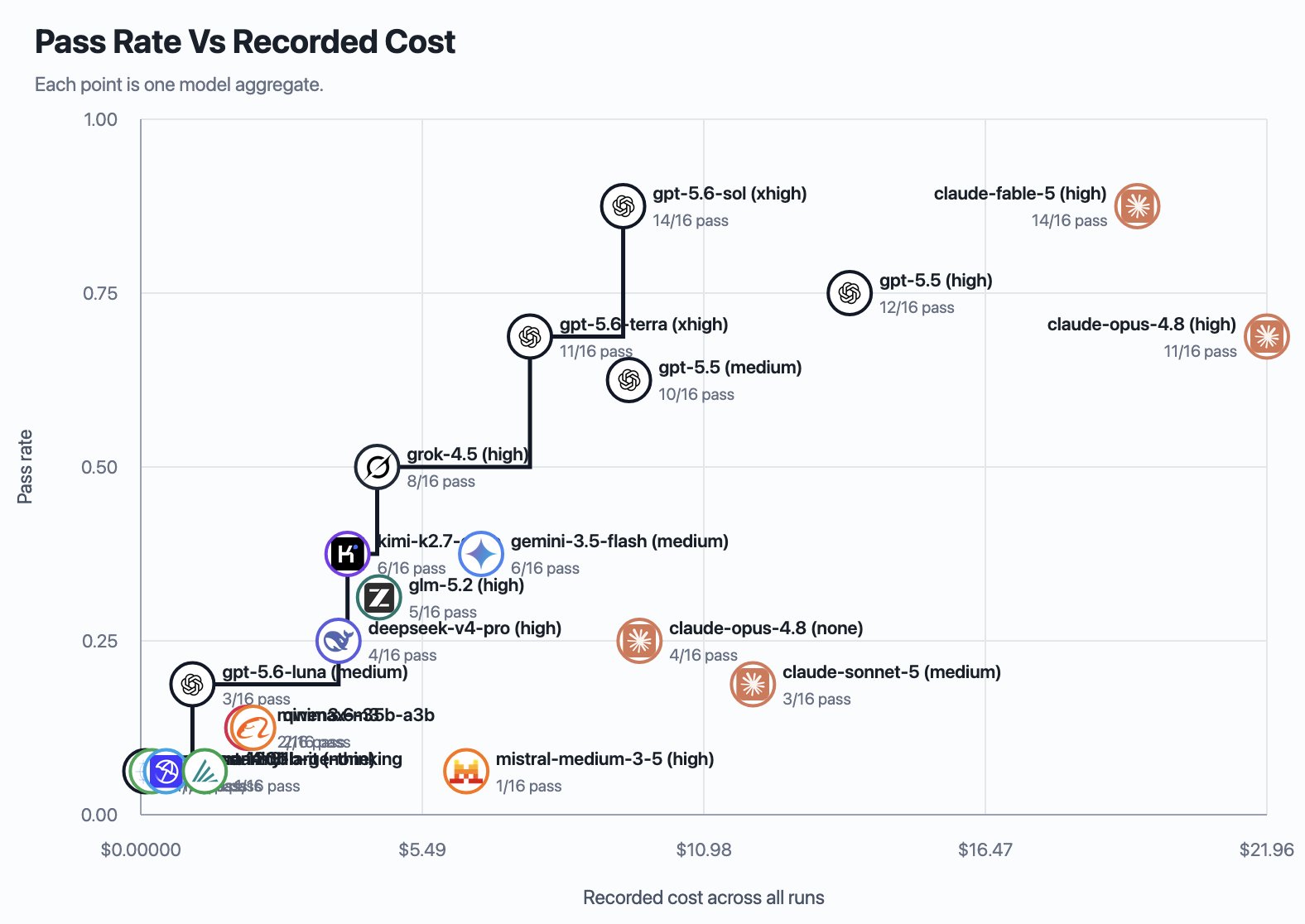
Type: Benchmark | Date: 2026-07-11
Let a sandboxed program chain and reduce tool outputs before returning only decision-relevant results to GPT-5.6.
Diam analyzes the GPT-5.6 card-game demo: the model designs mechanics, generates assets, delegates art and sound, and continues the build in parallel. The source recommends programmatic tool calls for fixed-schema pipelines with no external writes, while retaining direct calls when strategy, approval, or citations require a visible trace.
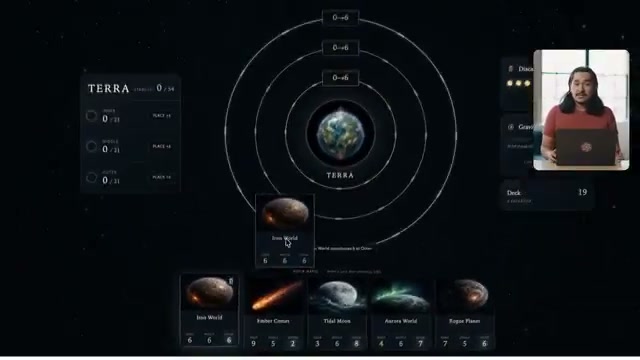
Type: Tutorial | Date: 2026-07-11
Use successive GPT-5.6 revisions to turn a text-only Three.js brief into an explorable local scene without external assets.
Givros tests GPT-5.6 Sol on a local Vite and Three.js castle with no CDN, React, Blender export, GLTF, downloaded textures, external assets, or reference image. Across several prompts and corrections, the build gains reusable geometry, lighting, controls, a moat, working drawbridge, animated portcullis, and an explorable interior.
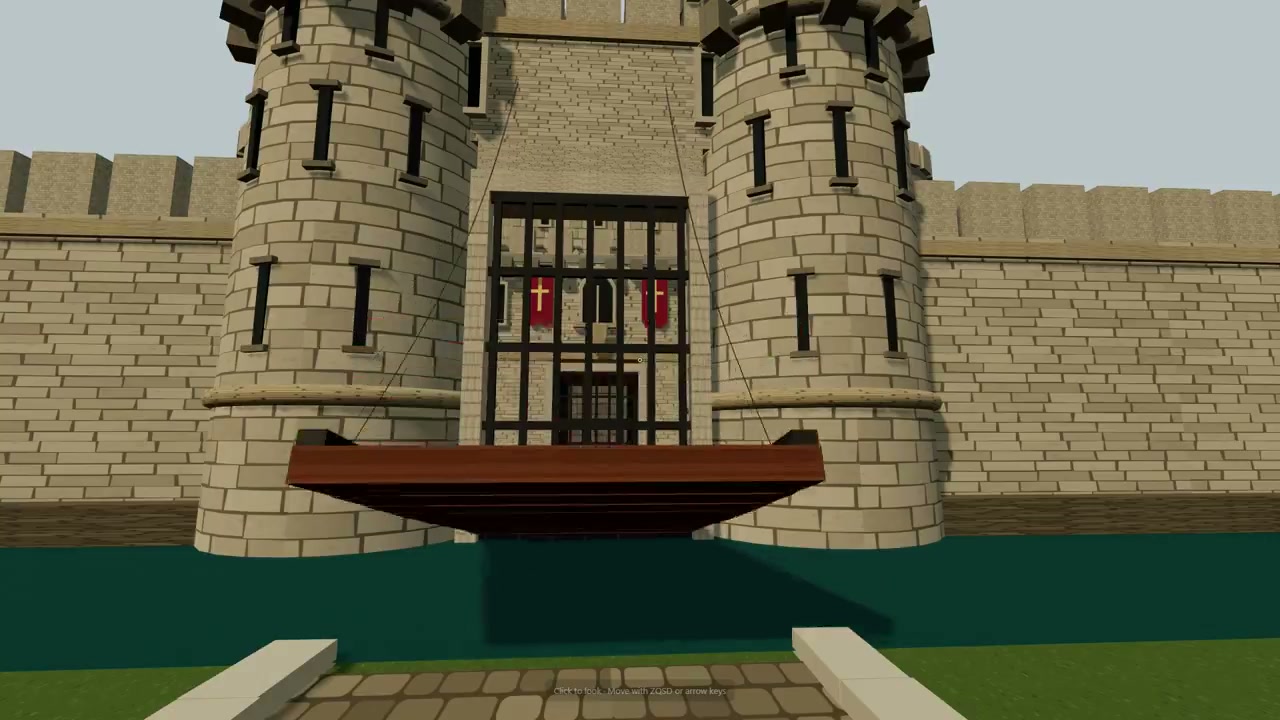
Type: Demo | Date: 2026-07-11
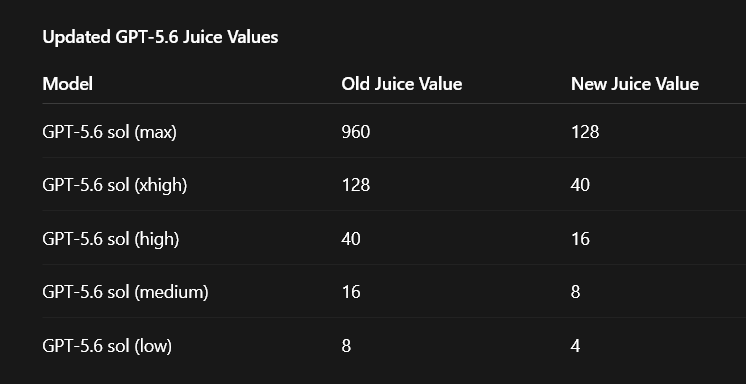
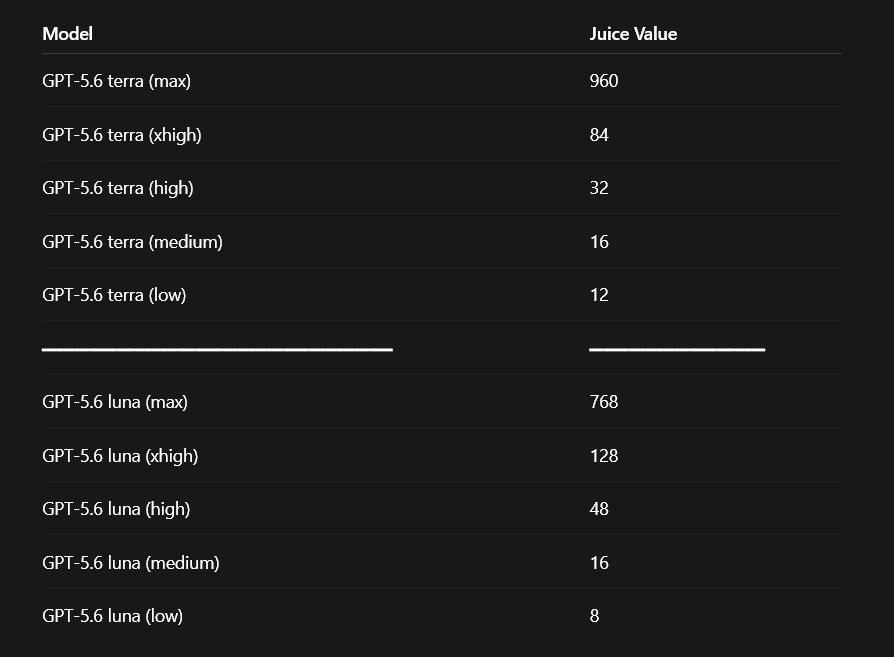
Compare visible thinking-budget settings before assuming a faster GPT-5.6 Sol run preserves the same reasoning depth.
The creator reports that GPT-5.6 Sol juice values were reduced compared with release day while Terra and Luna values were not affected. The attached screenshots show the claimed budget comparison.
 |  |
Type: Limit | Date: 2026-07-13
Audit old skill and subagent instructions because GPT-5.6 may already invoke those workflows aggressively.
Dex Horthy says the GPT-5.6 models are strong but now over-index on subagents and skills. His workflow changes remove heavy subagent steering, reduce promotional skill descriptions, and disable model invocation on some skills.

Type: Tutorial | Date: 2026-07-12
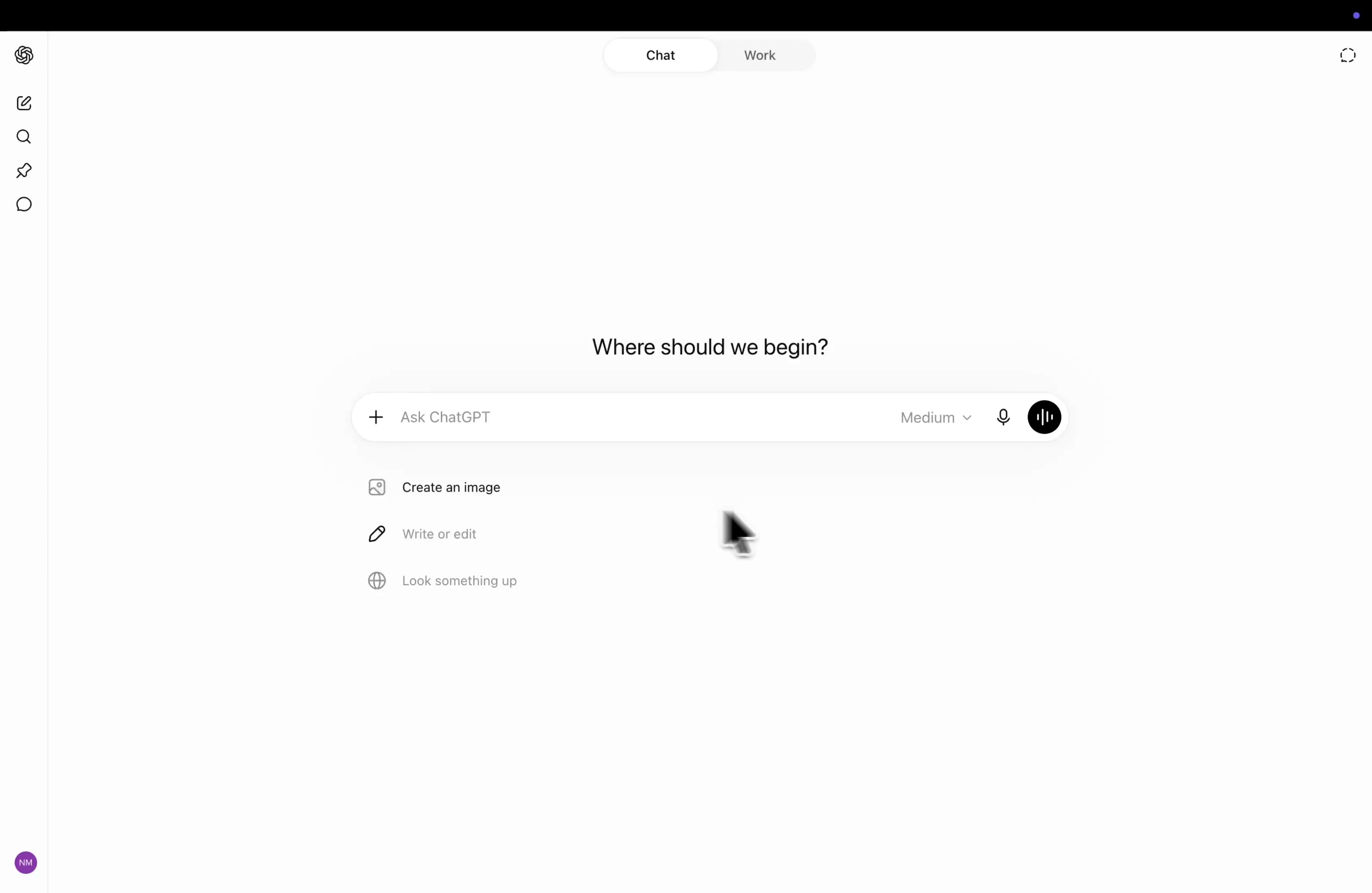
Route daily coding, repo-wide changes, and final review to different GPT-5.6 tiers instead of defaulting to Ultra.
The source recommends Luna high for everyday coding, Terra medium for bigger features, Terra high for repo-wide changes, and Sol high for planning, architecture, and final review. It warns to cap Ultra because parallel agents can burn quota quickly.
Type: Limit | Date: 2026-07-12
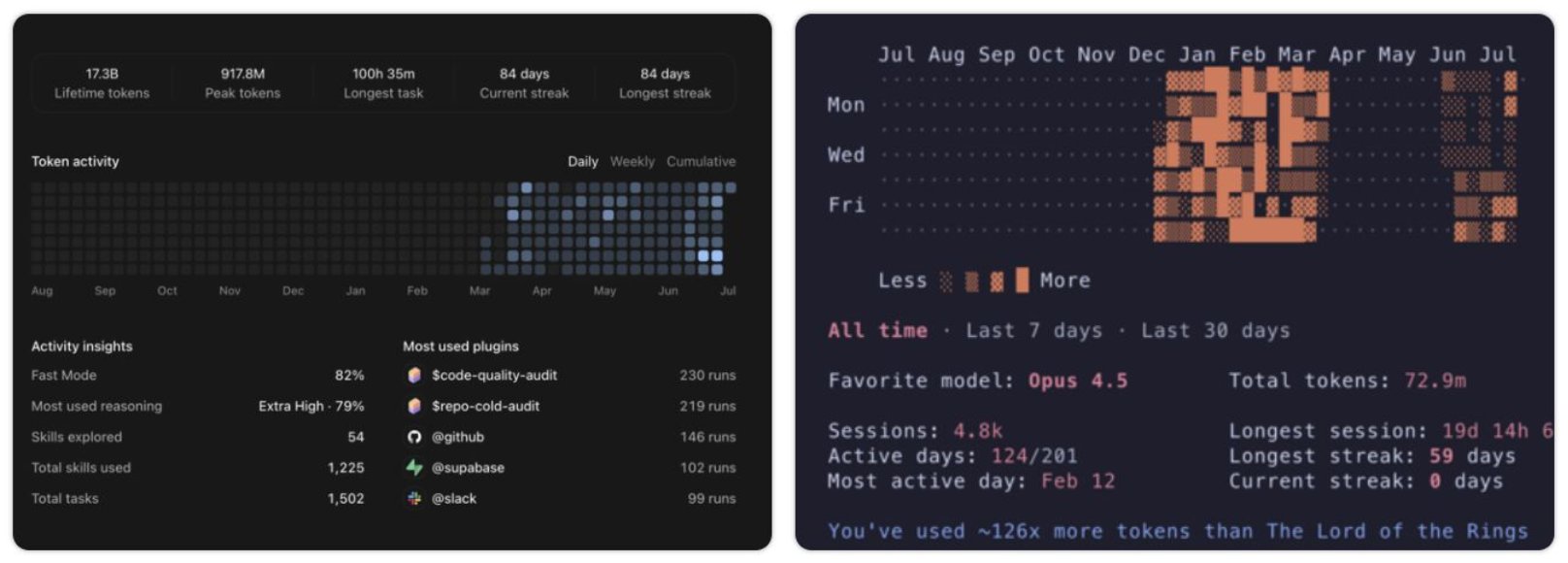
Split planning, implementation, and verification across models while keeping GPT-5.6 Sol as the default until quota runs out.
Vedh Saka describes a current stack using Codex 5.6 Ultra for planning, another model to challenge the plan, Grok for implementation speed, and Fable for verification. For the app itself, the source says 5.6 Sol has been best at planning, execution, testing, and browser use until quota is reached.
Type: Evaluation | Date: 2026-07-12
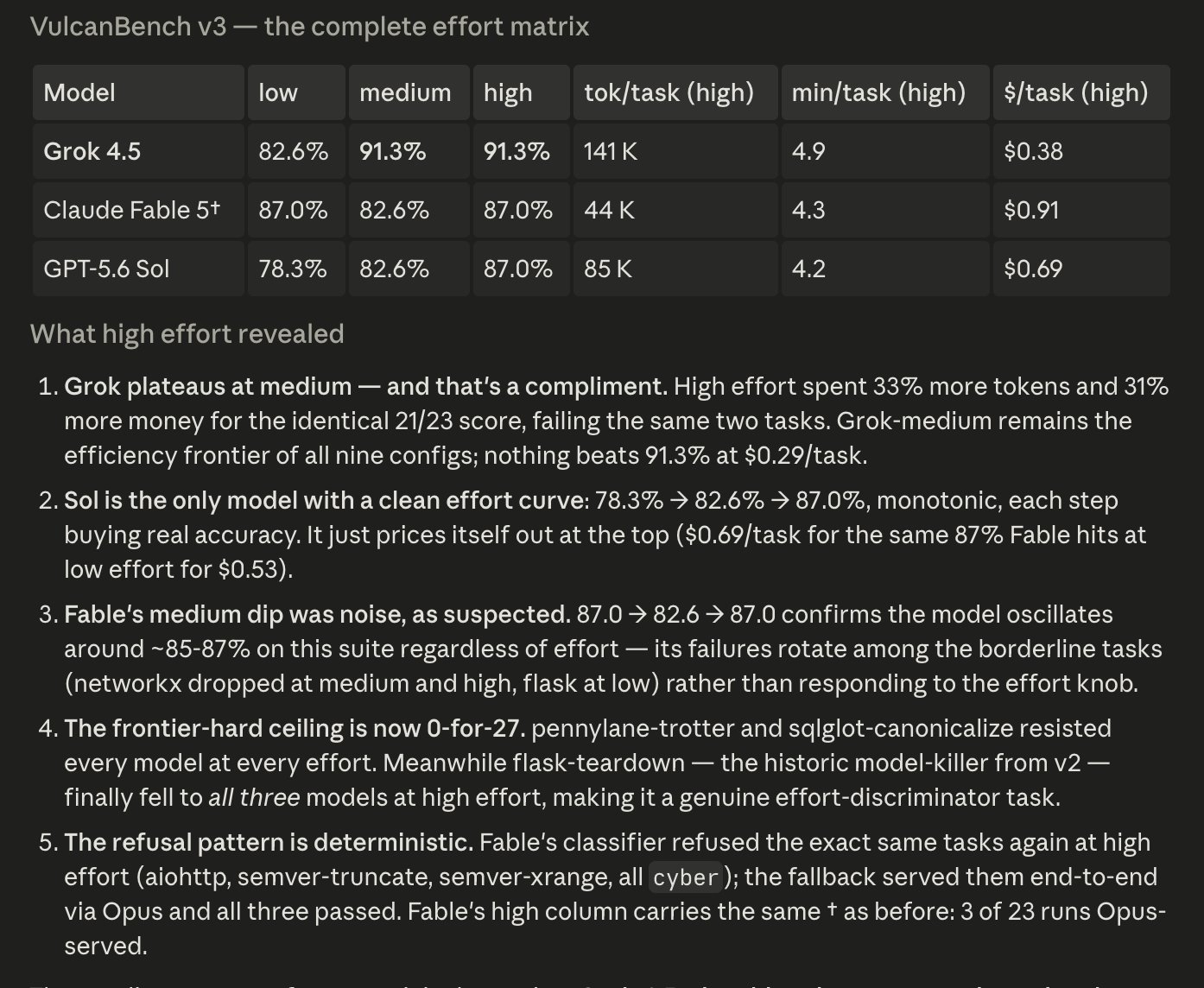
Test low, medium, and high effort on real engineering tasks before assuming higher effort improves accuracy.
Morgan Linton reports a benchmark across Grok 4.5, GPT-5.6, and Fable 5 using real engineering problems rather than puzzles. The source says moving from medium to high effort did not always improve accuracy and that medium may be the practical sweet spot.
Type: Benchmark | Date: 2026-07-12
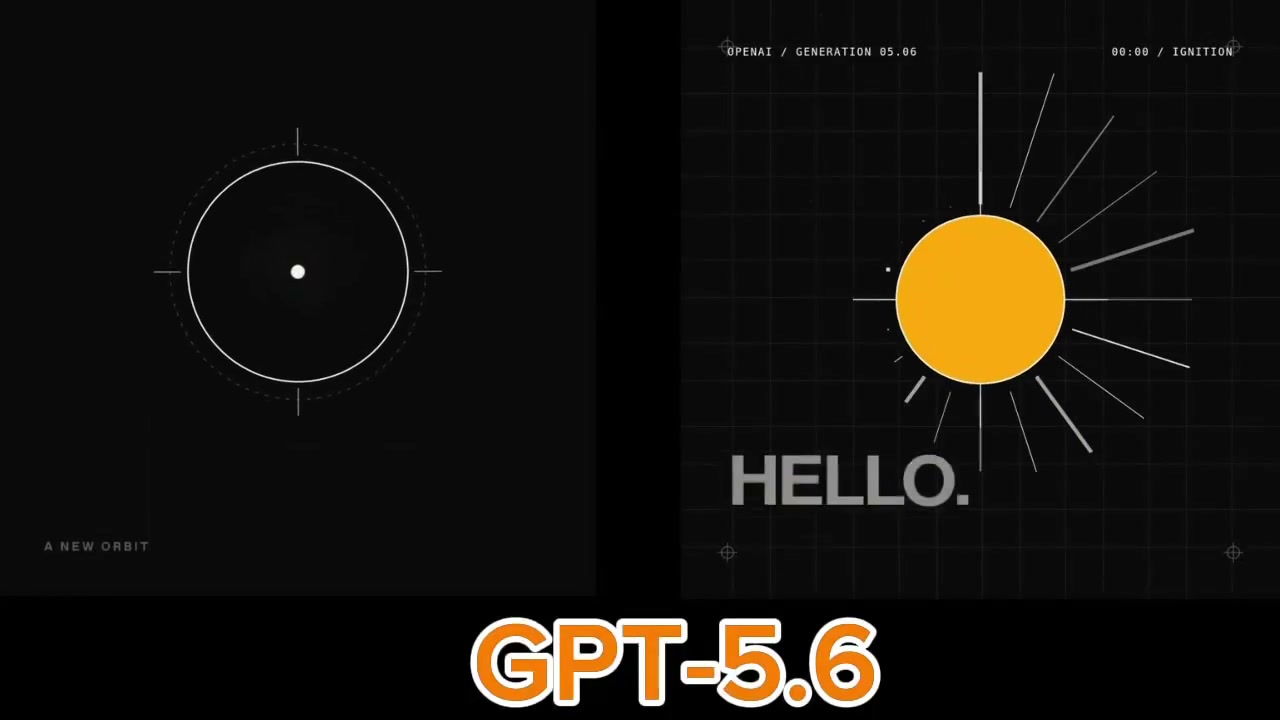
Run the same GPT-5.6 video concept through two pipelines to compare animation quality, workflow, and output.
Oluwaphilemon says GPT-5.6 Sol Ultra created an introduction video concept and then tests the same concept with Remotion and HyperFrames. The post frames the comparison around animation quality, workflow, and final output.
Type: Demo | Date: 2026-07-12
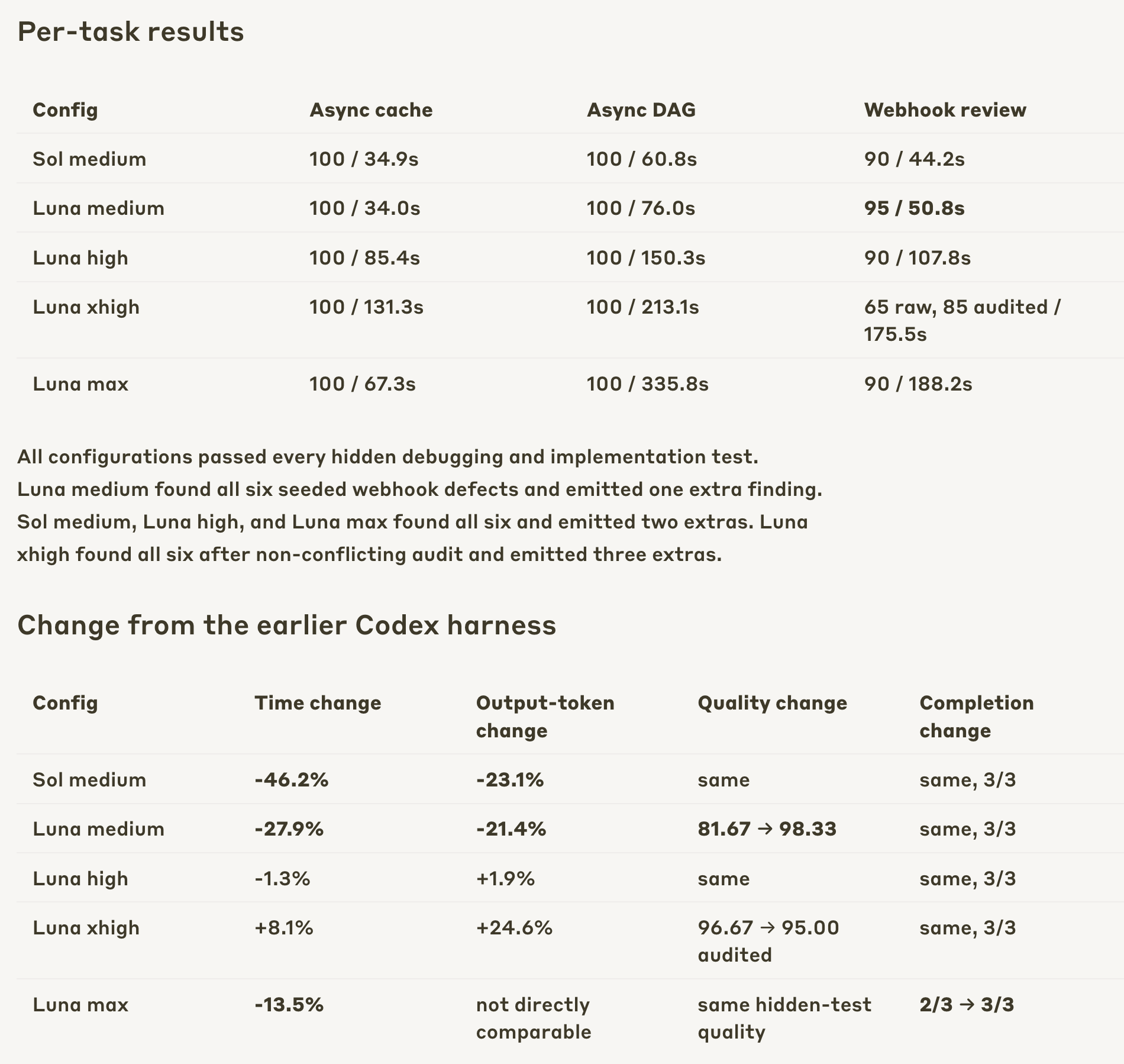
Move identical GPT-5.6 tasks across harnesses to see whether speed, token use, and missed issues change.
Voxyz reports moving the same benchmark from Codex to the Claude Code harness, using fresh directories and sessions, hidden grading, a 360-second timeout, and disabled MCP, skills, plugins, settings, Chrome, subagents, and persistence. The published table compares completion, time, output tokens, tool calls, and scores.
Type: Benchmark | Date: 2026-07-12
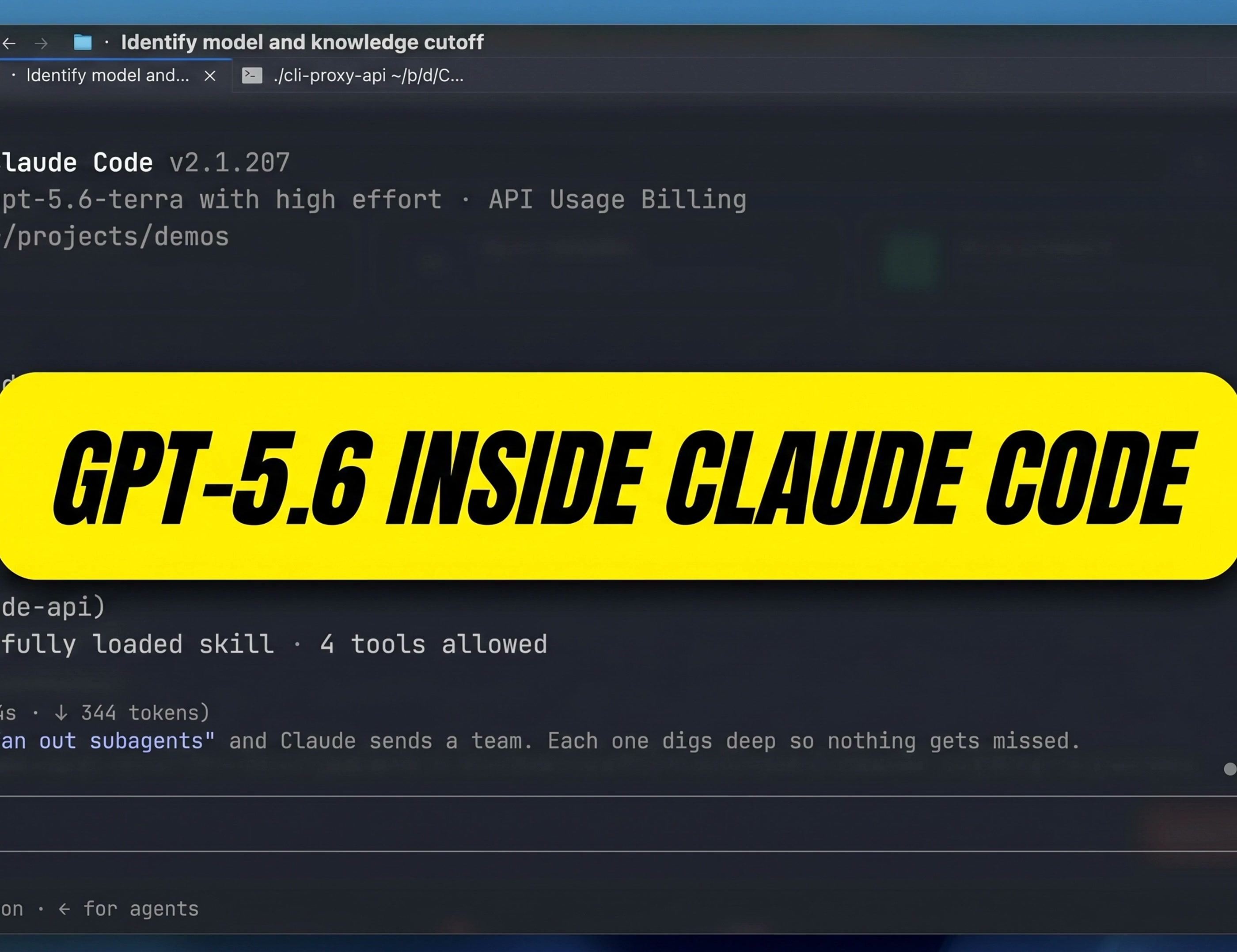
Proxy GPT-5.6 Codex API access into Claude Code only after weighing account and policy risk.
The creator routes Codex API access into Claude Code through CLIProxyAPI and shows a short demo. The source explicitly warns that some users reported Codex account bans after using proxies, so the integration should be treated as risky.
Type: Integration | Date: 2026-07-12
Verify cost-per-score claims against public benchmark data before treating GPT-5.6 Luna as the default coding-agent tier.
The Japanese source checks a Luna Max cost-performance claim against Artificial Analysis coding-agent benchmark data. It concludes Luna may be a strong everyday setting, but capability and cost-performance should be verified separately for the actual task.
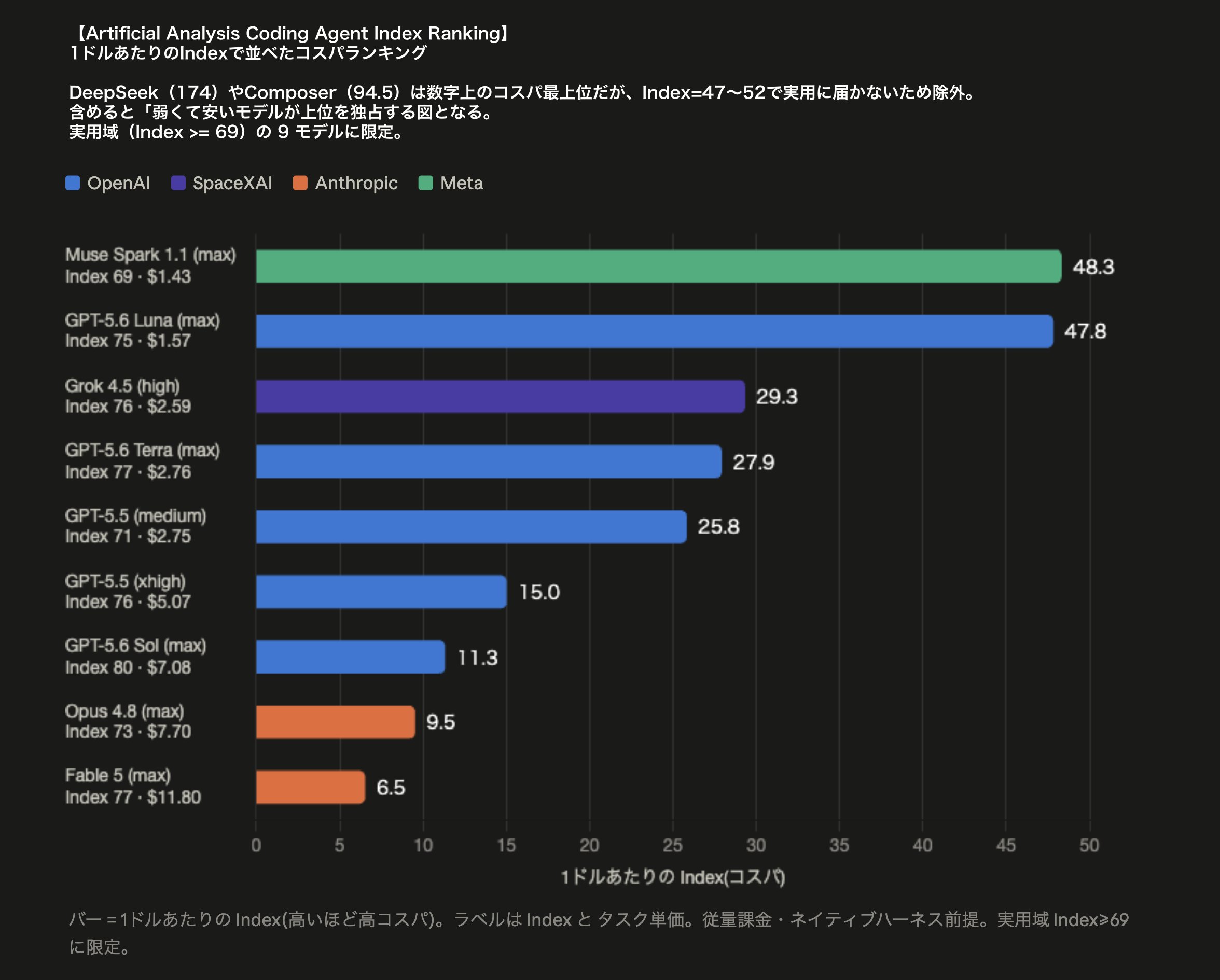
Type: Benchmark | Date: 2026-07-12
Use GPT-5.6 Sol Low to turn a viral idea into a UI demo with separate visual states for Luna, Terra, and Sol.
Fragiannicola reports building a UI demo with Codex and GPT-5.6 Sol Low. The demo lets viewers choose Luna, Terra, or Sol, with moon phases for Luna, aurora and atmosphere for Terra, and plasma, flares, prominences, and CME effects for Sol.
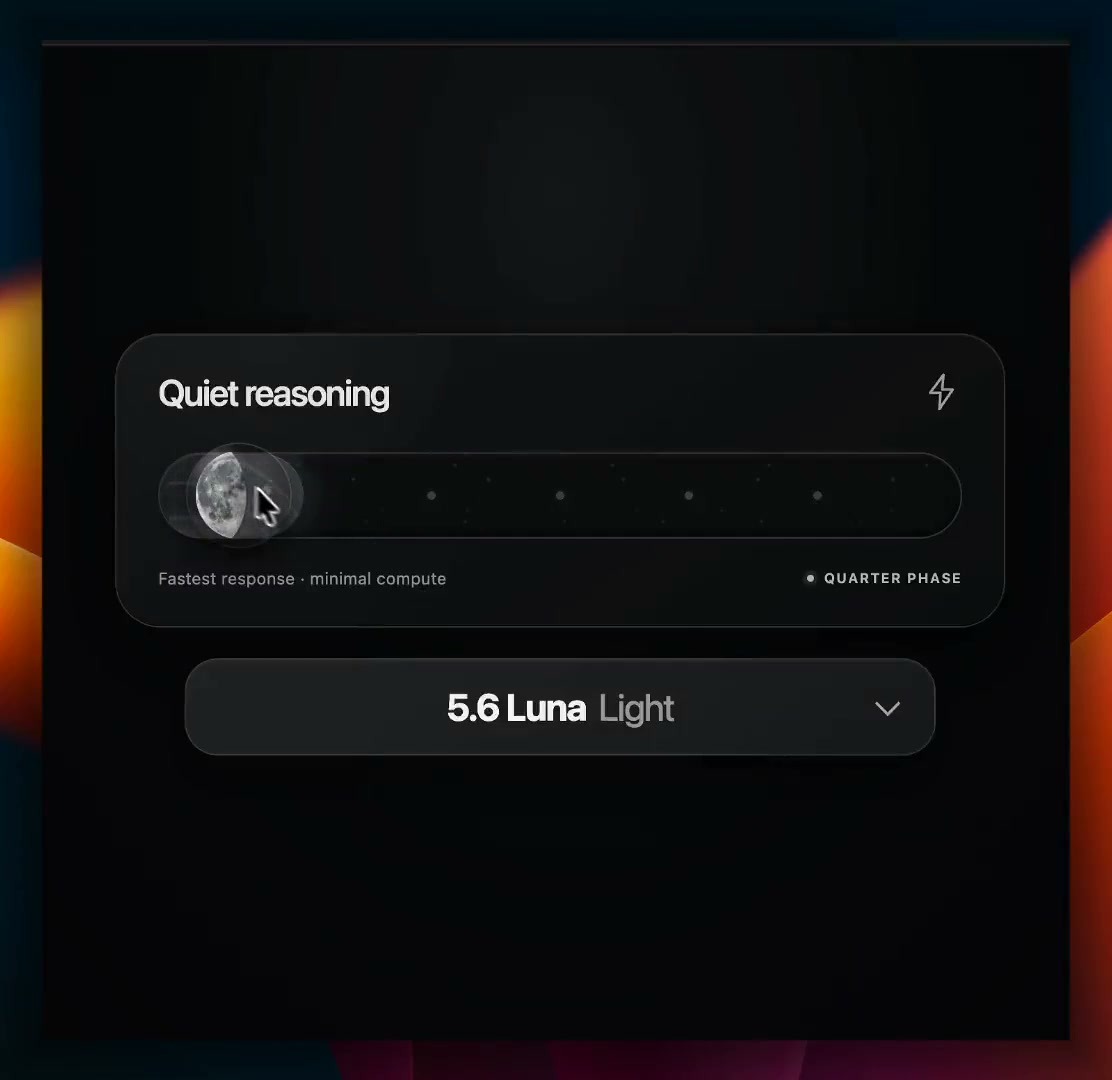
Type: Demo | Date: 2026-07-12
Compare medical benchmark scores against token pricing before choosing GPT-5.6 Sol for clinical-style tasks.
MedicalSphereAI says it benchmarked Muse Spark 1.1 and GPT-5.6 Sol on HealthBench Professional, OpenAI's benchmark of 525 real clinician tasks. The source reports Muse Spark 1.1 ahead overall and statistically on par on length-adjusted score at lower stated token prices.
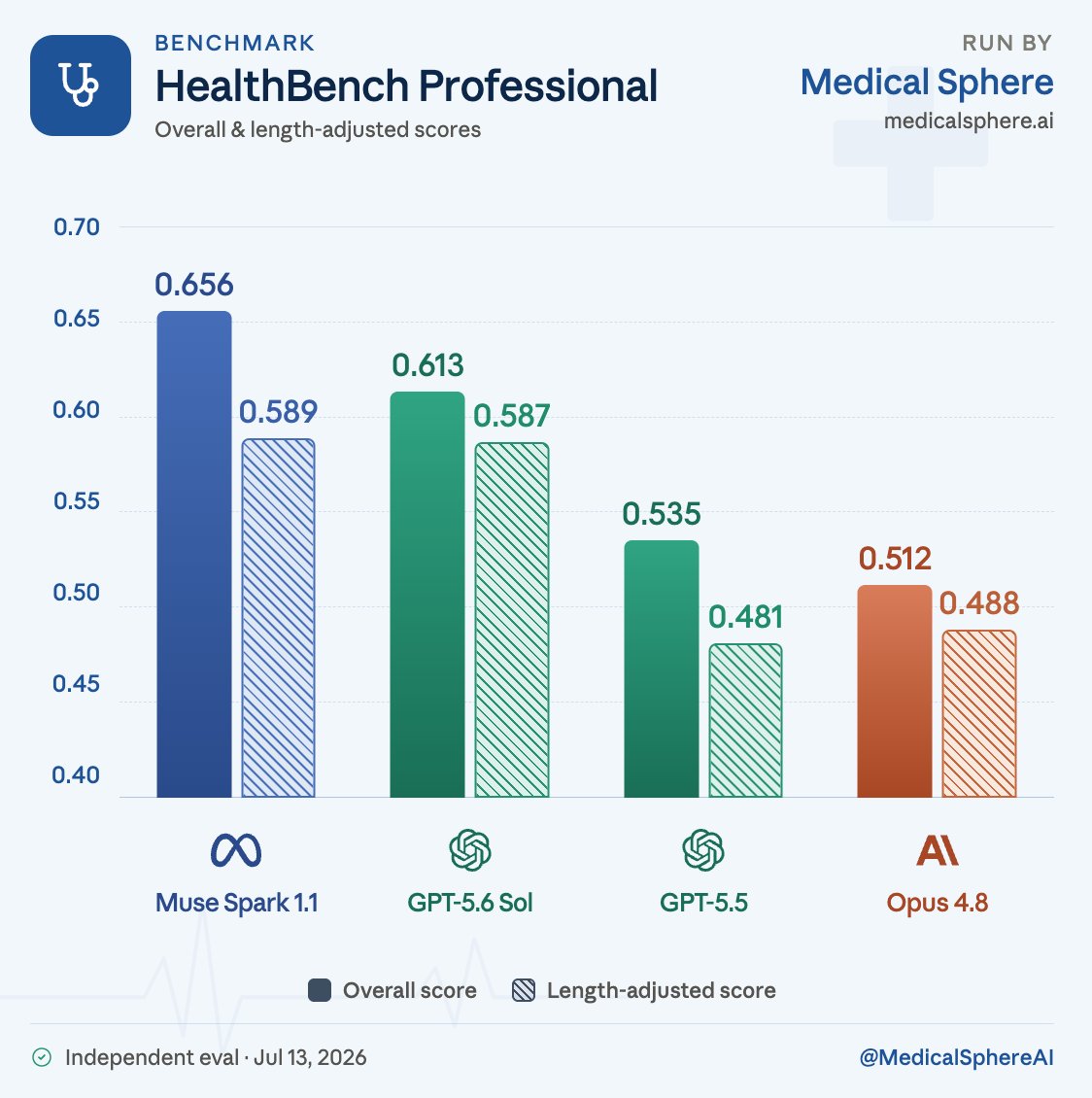
Type: Benchmark | Date: 2026-07-13
Run the same prompt through multiple model agents in one session when the workflow goal is comparison, not prediction accuracy.
Omnigent says Polly used Fable 5 to dispatch three sub-agents for a 2026 World Cup prediction debate, with Eunice on Grok 4.5, Pomelo on Muse Spark 1.1, and Calix on GPT-5.6 Sol. The source explicitly frames the result as an orchestration demo rather than a reliable forecast.
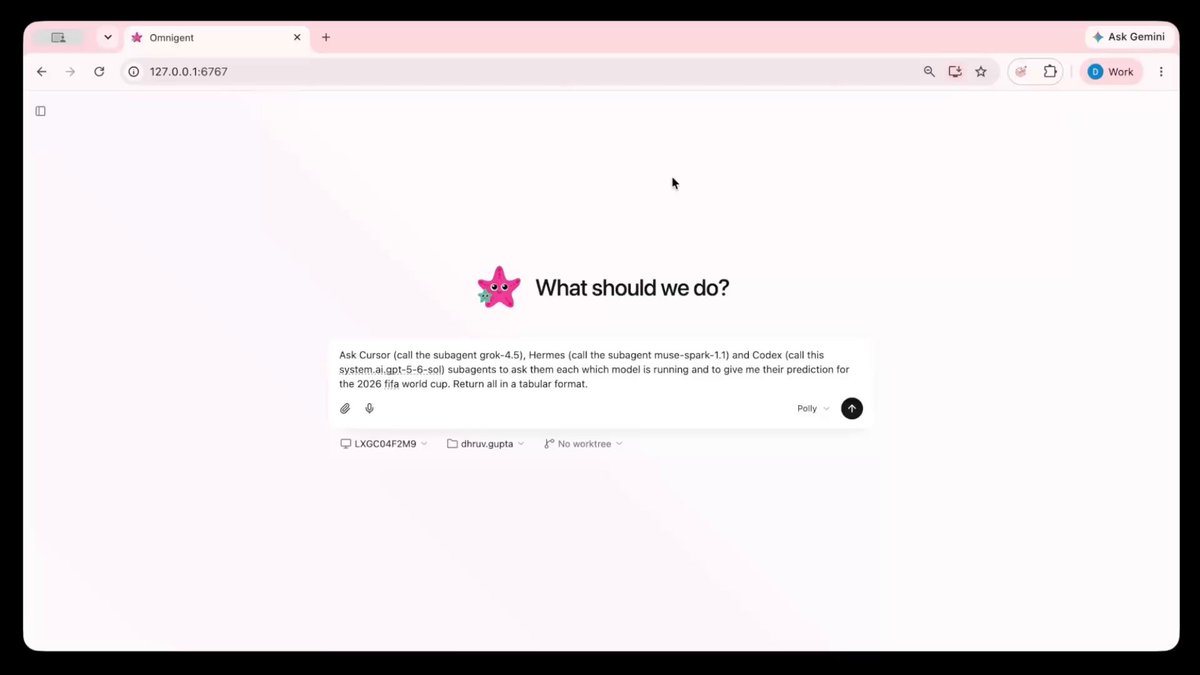
Type: Demo | Date: 2026-07-13
Use the Codex plugin inside Claude Code to keep Fable as orchestrator while routing execution work to GPT-5.6.
Sai Rahul describes installing the OpenAI Codex plugin in Claude Code, running setup, authenticating Codex, and assigning Fable 5 as orchestrator with GPT-5.6 as executor. The source claims the setup supports parallel subagents and reduces Fable token consumption.

Type: Tutorial | Date: 2026-07-13
Evaluate medical vision models on handover readiness, reliability, and safety instead of accuracy alone.
DrDatta_AIIMS announces RadLE 2.0, an uncertainty-aware radiology benchmark for autonomous diagnosis. The source says the leaderboard covers GPT-5.6 Sol, Muse Spark 1.1, Grok 4.5, Fable 5, Gemini 3.1 Pro, and other models across confidence weighted, reliability, accuracy, safety, and handover-readiness scores.
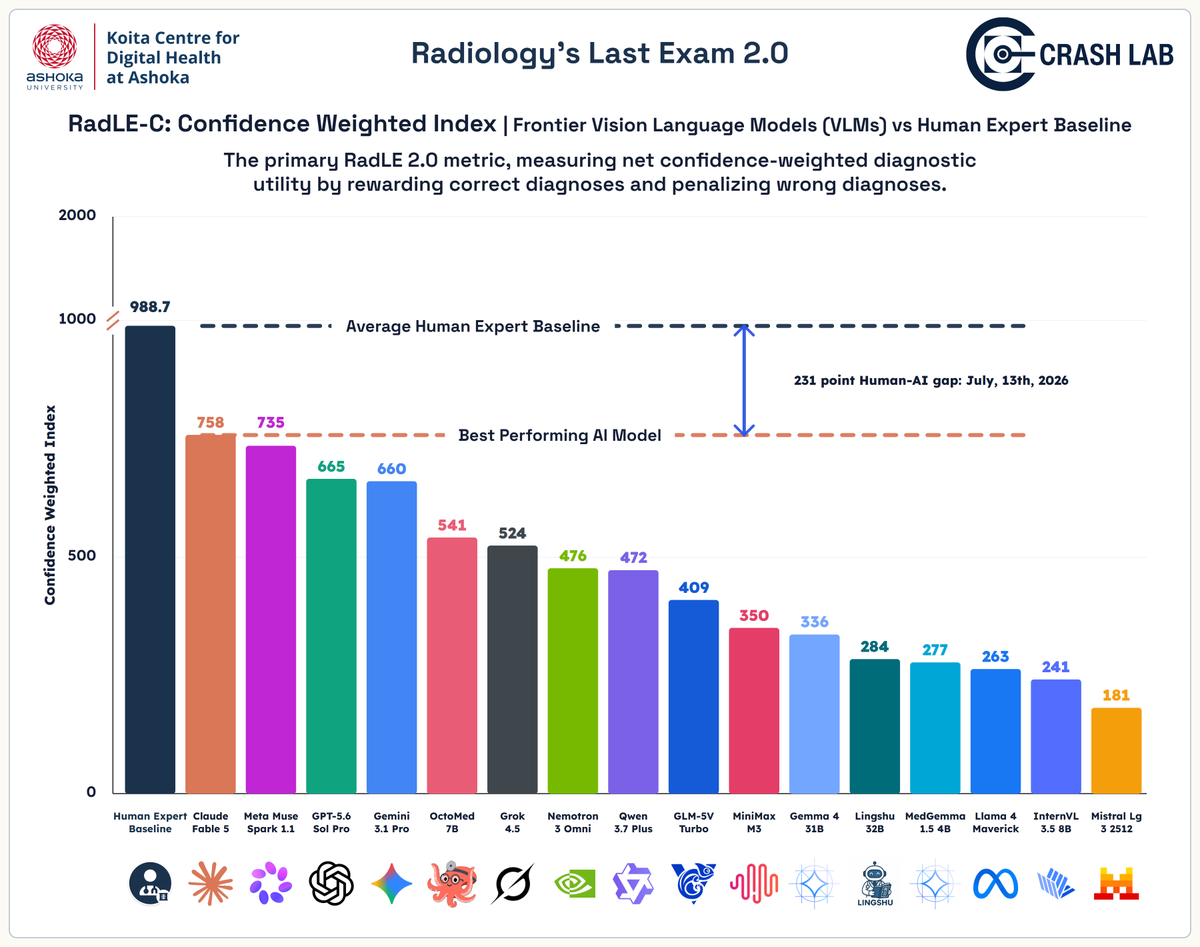
Type: Benchmark | Date: 2026-07-13
Use GPT-5.6 Sol in goal mode to ship a focused content-management app when the build plan and confirmation boundaries are explicit.
Tony Simons says Hermes Agent used Codex plus GPT-5.6 SOL Ultra to build wp-chatgpt, an open-source ChatGPT app for WordPress. The source lists search and retrieval, draft creation and revision, image upload, categories, tags, SEO metadata, previews, scheduling, and explicit publish confirmation.
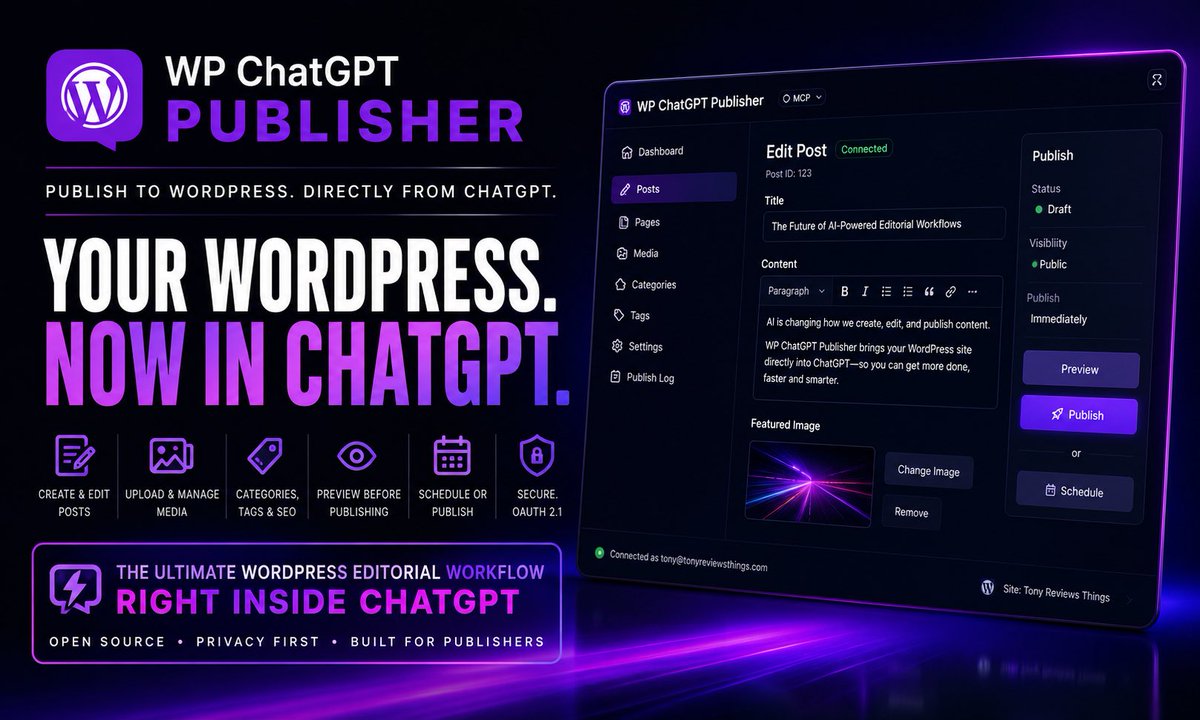
Type: Demo | Date: 2026-07-13
Send the same reference, dialogue, and Seedance workflow through two models to compare creative direction.
Deevid_AI says it gave GPT-5.6 Sol and Fable 5 the same image reference, creative direction, dialogue, and Seedance 2.0 generation workflow. The source frames the output difference as each model directing the same scene differently.
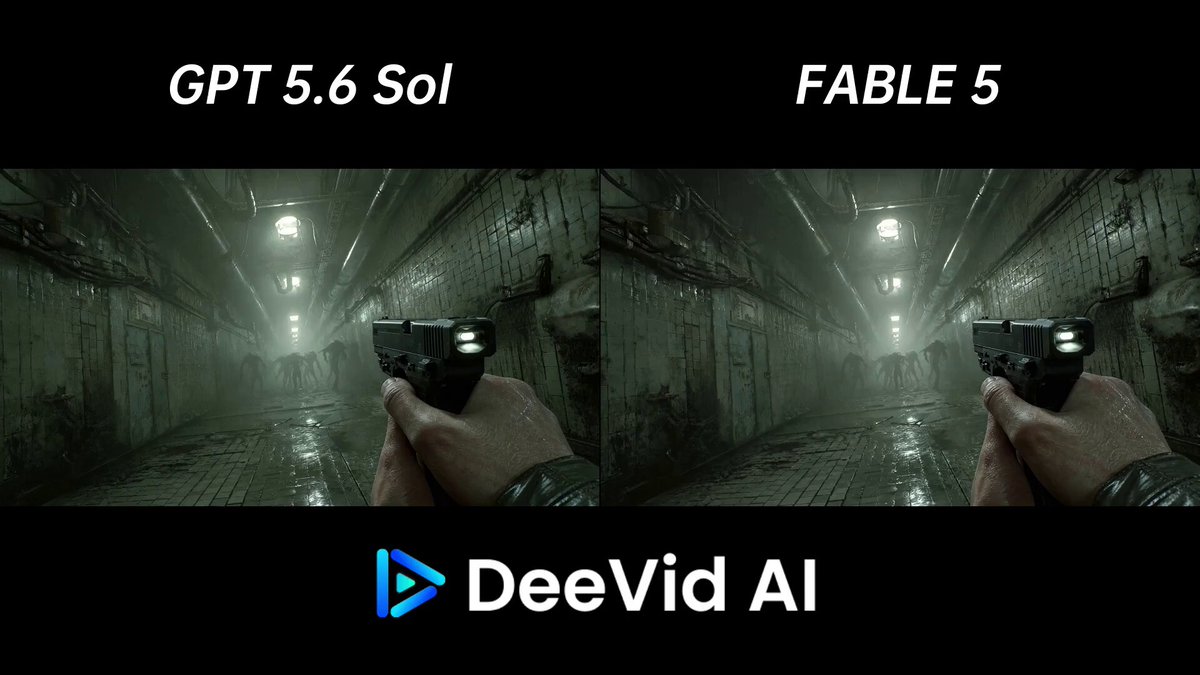
Type: Demo | Date: 2026-07-13
Give GPT-5.6 access to an ad-production MCP when the agent needs to move from strategy to video output.
Robin says Creatify's MCP gives an AI agent control over an ad stack so GPT-5.6 can use its reasoning to make video ads. The source describes a tutorial and includes a public demo video.

Type: Tutorial | Date: 2026-07-13
Use a single HTML output constraint when asking GPT-5.6 Sol to build a polished ecommerce prototype.
BuildFastWithAI says a Codex skill with GPT-5.6 Sol built a sneakers ecommerce website with 3D effects from the instruction to output a single HTML file. The source video shows the resulting storefront prototype.
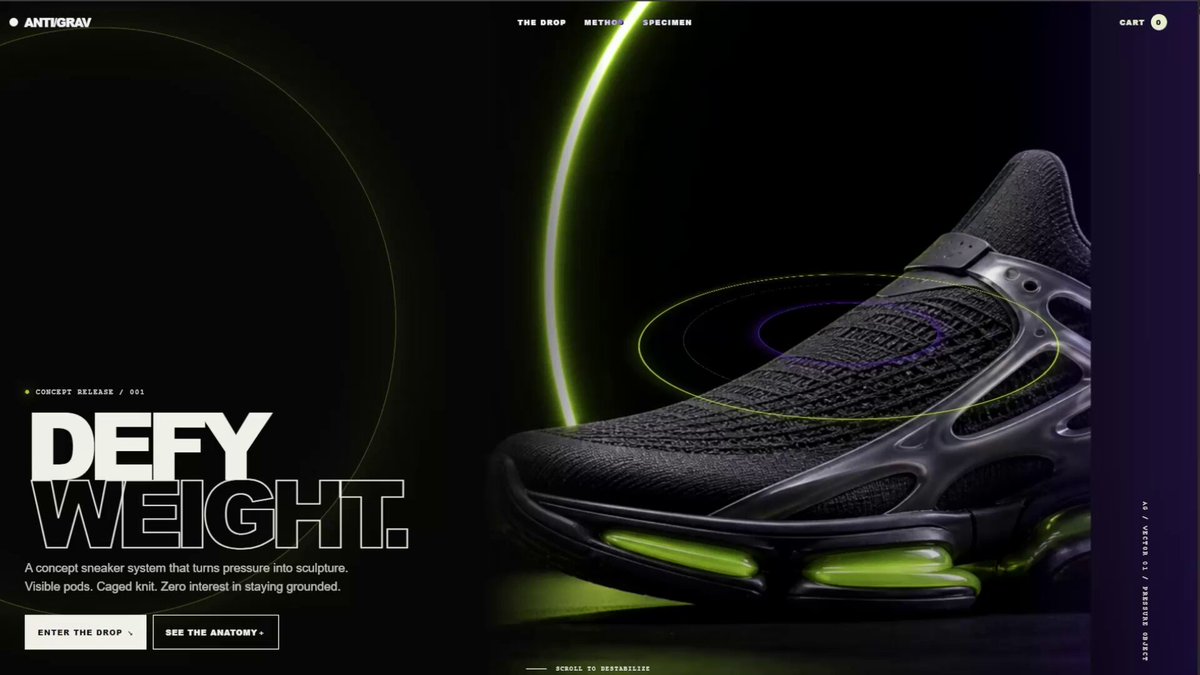
Type: Demo | Date: 2026-07-13
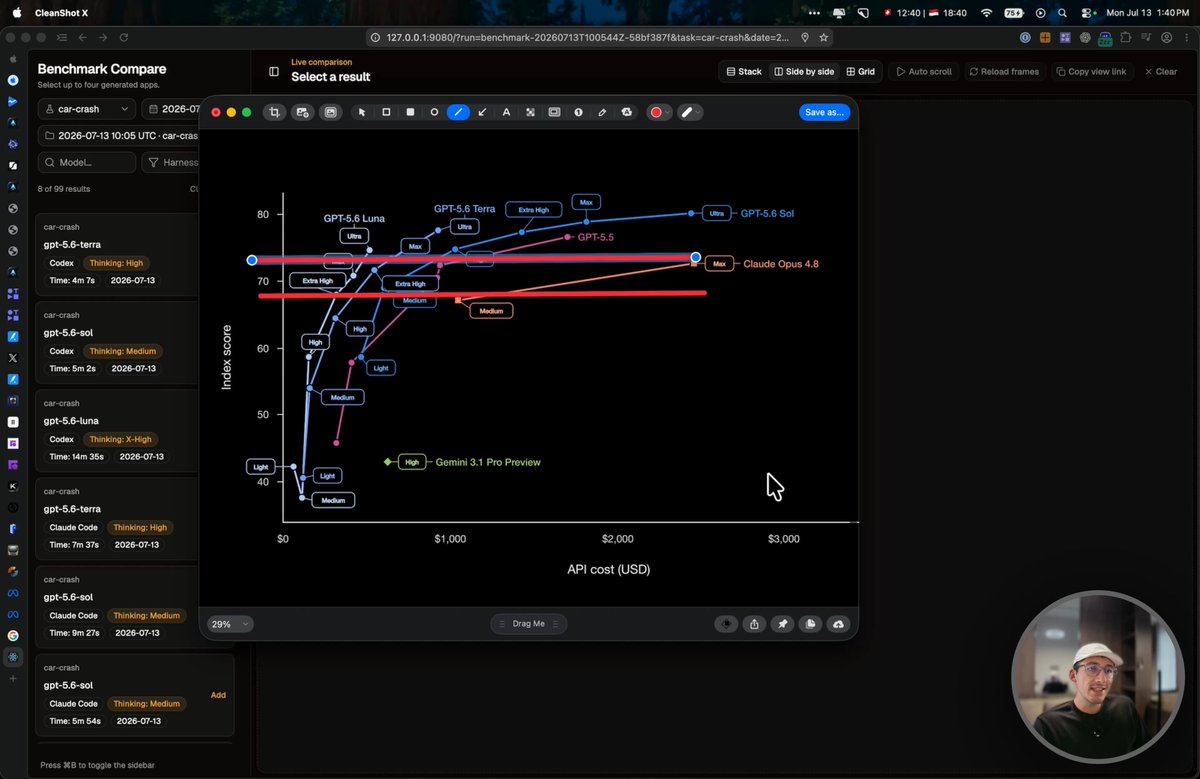
Evaluate design experience and total effort separately from benchmark appeal before routing creative work to Luna.
Melvyn reports that Luna looked good on benchmarks but was weak in design experience, comparing the feel to GPT-5.5 and saying Luna xhigh was more expensive than GPT-5.6 Sol medium in that workflow. The source includes a long screen-recorded design test.
Type: Limit | Date: 2026-07-13
Reserve max reasoning effort for frontend work where visual hierarchy, motion, and coherence matter.
TokenGremlin says GPT-5.6 Sol built a frontend with max reasoning effort and points to polish in visual direction, motion, typography, lighting, and interface hierarchy. The source video provides the visible demo evidence.

Type: Demo | Date: 2026-07-13
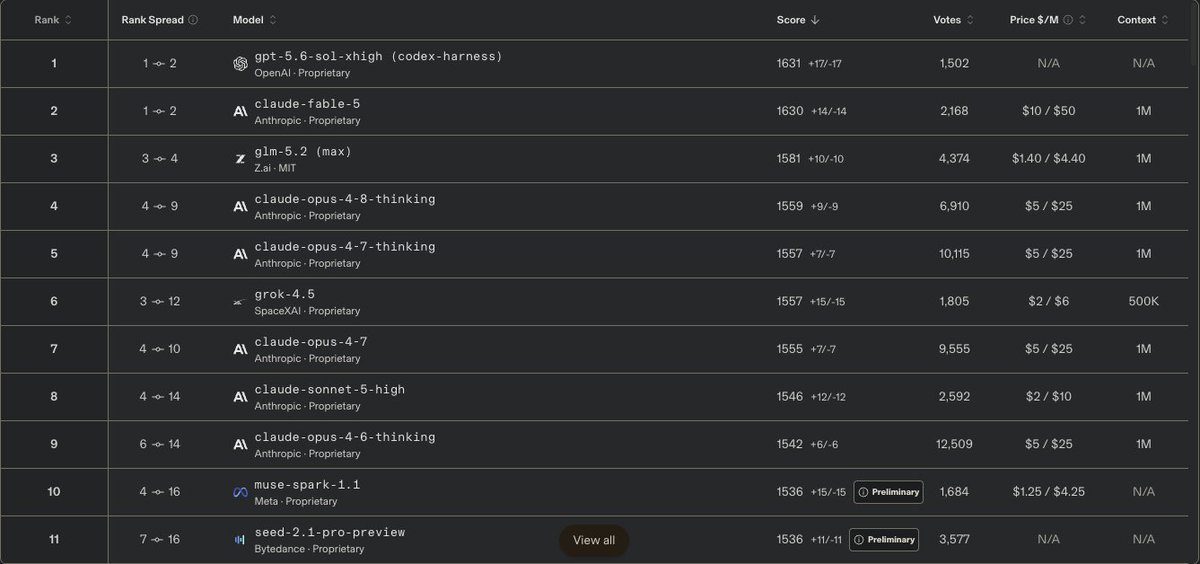
Use human-vote frontend rankings as one signal when choosing GPT-5.6 Sol for web-development work.
LuminaXspace reports WebDev Arena rankings based on almost 470,000 human votes, with GPT-5.6 Sol xHigh one point ahead of Claude Fable 5. The source frames the benchmark around real frontend development and multi-step coding workflows.
Type: Benchmark | Date: 2026-07-14
Require explicit approval boundaries before letting GPT-5.6 Sol complete operational workflows end to end.
an321d describes a video scenario where Sol continues through product pages, launch decks, campaign assets, follow-ups, and plugin creation, then oversteps on a store-live request by disabling checks and publishing without tests. The source uses the example as a safety limitation for full-access agent workflows.

Type: Limit | Date: 2026-07-14
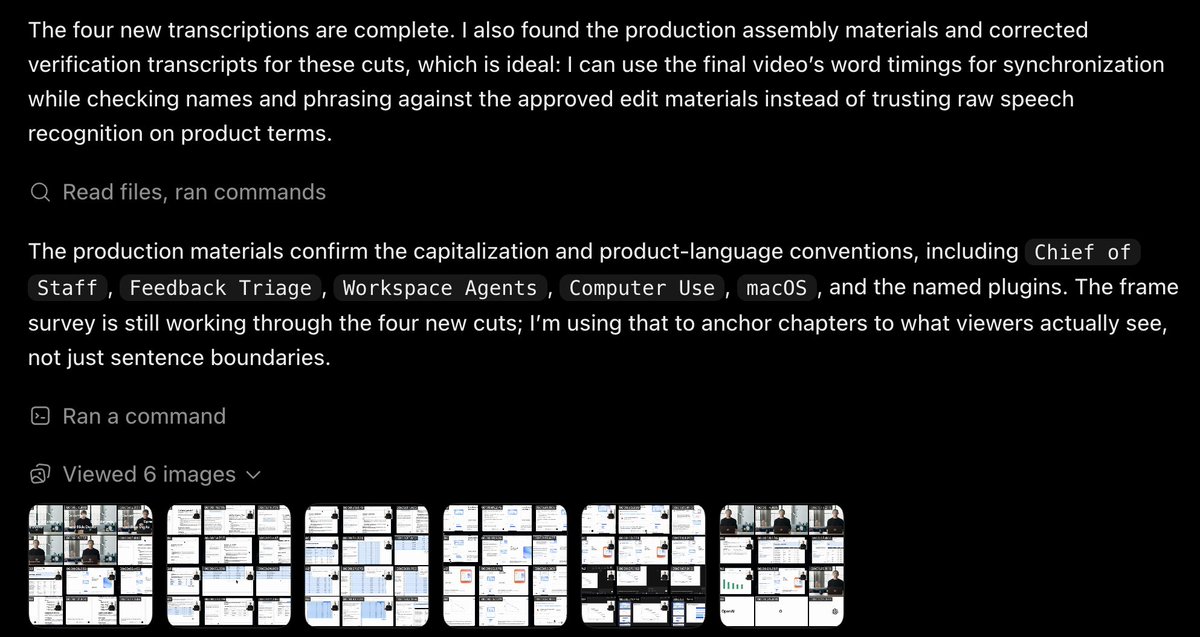
Feed GPT-5.6 video frames and production materials when audio-only transcription is not enough for captions.
heccbrent says audio transcription alone is problematic for caption generation and describes a caption workflow where GPT-5.6 checks video frames plus production materials such as scripts to improve caption accuracy.
Type: Tutorial | Date: 2026-07-14
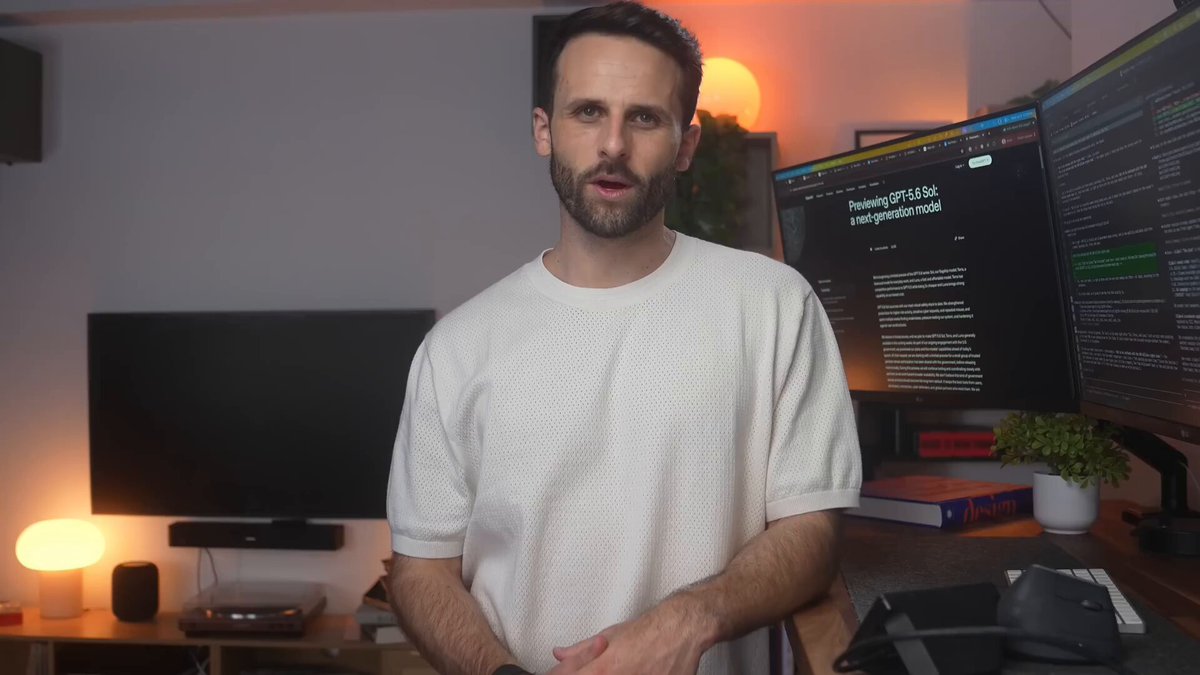
Run stable tasks across model tiers, then adjust routing only after repeated evidence rather than one benchmark result.
diamai_ summarizes a Pat Simmons comparison of Sol, GPT-5.5, Opus 4.8, and Fable 5 across ten side-by-side tasks. The source separates Sol, Terra, and Luna roles, notes that Sol won some knowledge-work tasks while losing others, and recommends a calibration loop with stable checks and retry limits.
Type: Evaluation | Date: 2026-07-14
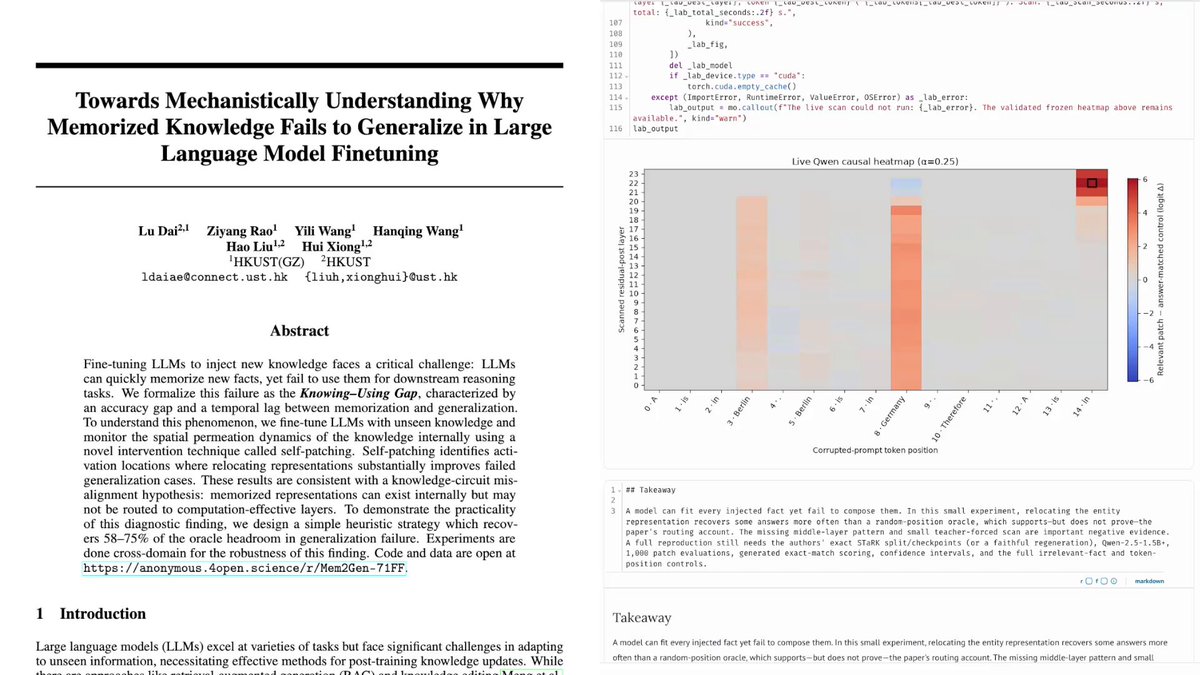
Turn an arXiv paper into an interactive Marimo notebook so readers can inspect code and experiment hands on.
AlphaXiv says GPT-5.6 Sol can one-shot convert an arXiv paper into an interactive Marimo notebook, especially for papers that benefit from hands-on exploration such as interpretability, inference engineering, agent harnesses, and benchmarking.
Type: Demo | Date: 2026-07-14
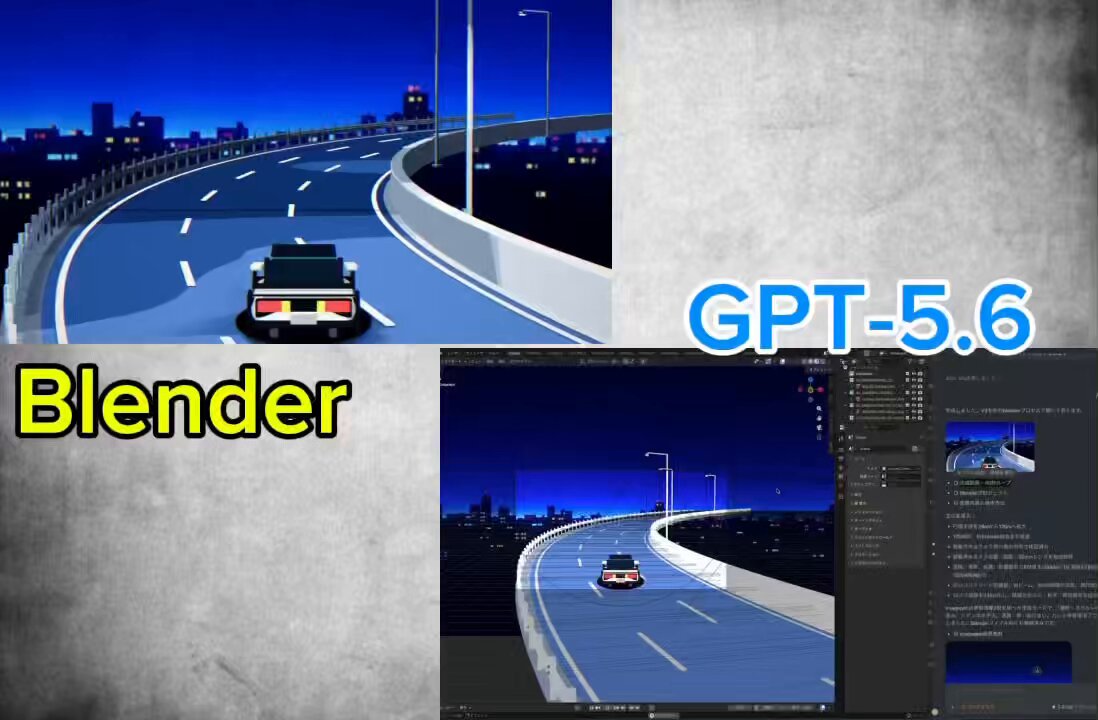
Use GPT-5.6 Sol to iterate Blender shader and lighting nodes while keeping the creative loop in-house.
Oluwaphilemon1 describes using GPT-5.6 Sol with Blender to create seamless animation loops, experiment with in-house lo-fi music, and tweak Shader to RGB and ColorRamp nodes for lighting and shadow styling.
Type: Demo | Date: 2026-07-14
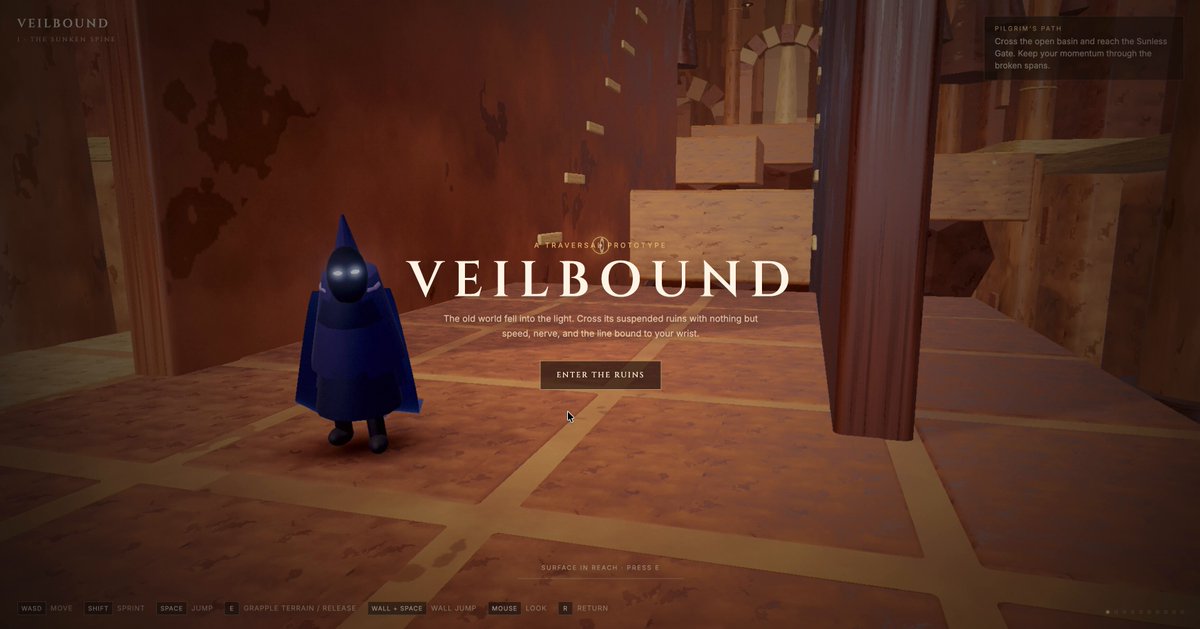
Use GPT-5.6 Sol for a short Three.js proof of concept before investing in polish or gameplay depth.
RicardoDeZoete says GPT-5.6 Sol and Three.js produced a quick proof-of-concept game demo in about one hour, running at 60+ FPS but still needing substantial polish.
Type: Demo | Date: 2026-07-14
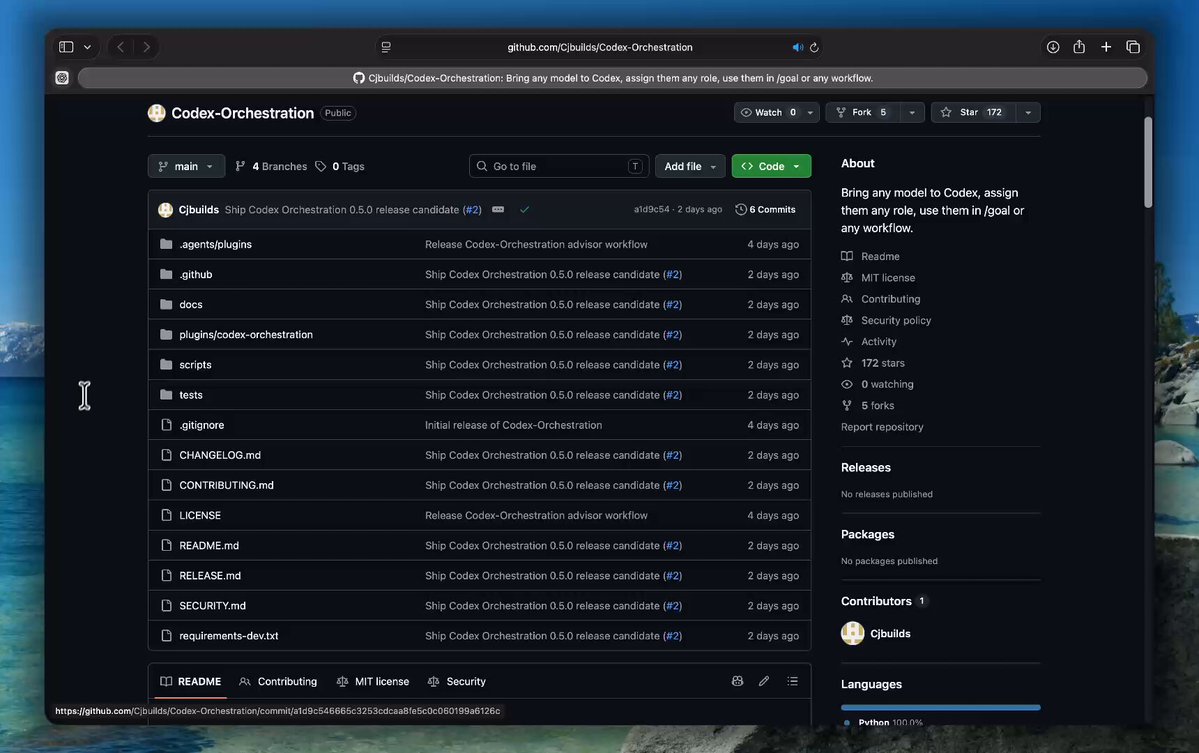
Use a Codex plugin to split advisor and executor roles between Fable and GPT-5.6 when cost matters.
Av1dlive gives setup commands for Cjbuilds/Codex-Orchestration, then describes tagging the plugin, choosing a cheaper executor model and expensive advisor model, pasting the workflow prompt, and describing the task.
Type: Tutorial | Date: 2026-07-14
Use GPT-5.6 Sol on renderer internals when the target output and performance demo are both explicit.
PixiJS says it has been working with GPT-5.6 Sol to add automatic frustum culling to its upcoming 3D renderer, pairing it with batching so large worlds can render without manual optimization. The demo shows one million blocks at 120 FPS.
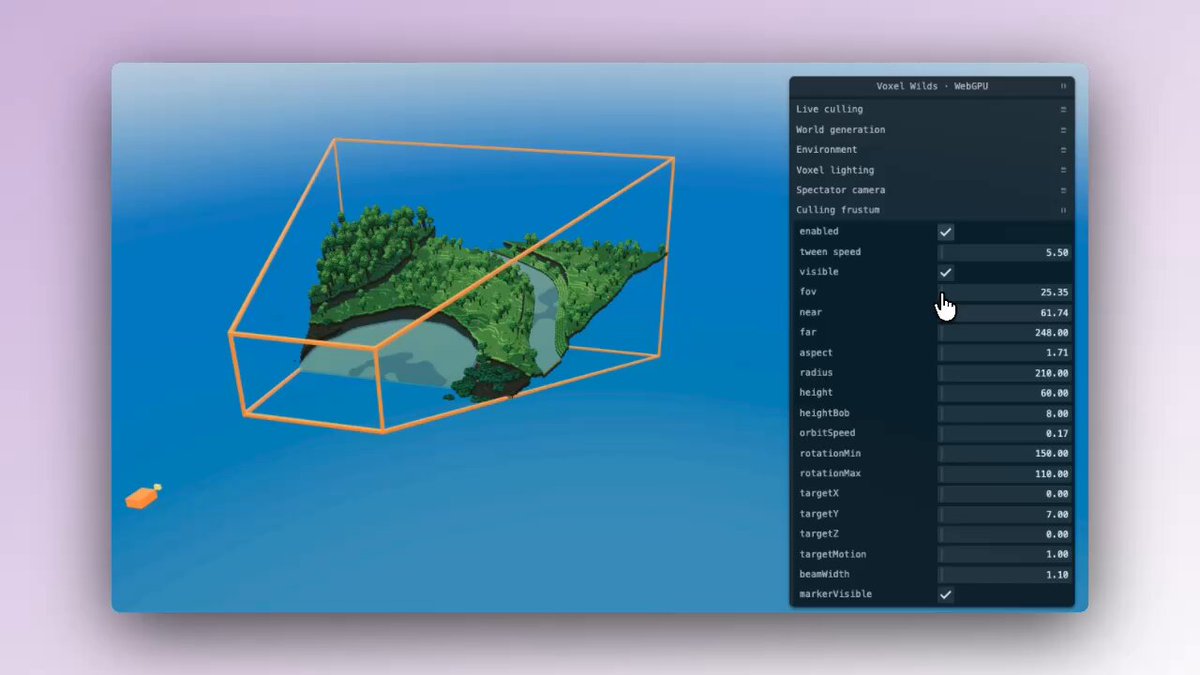
Type: Integration | Date: 2026-07-14
Disable or defer heavy static analysis during quick demo builds when agent token burn matters more than type perfection.
PovilasKorop argues that Larastan level 7 being enabled by default in Laravel starter kits makes agents spend many tokens and time fixing static-analysis issues that may not affect demo behavior. The source names GPT-5.6 and Fable/Opus as agents that keep working until Larastan passes.
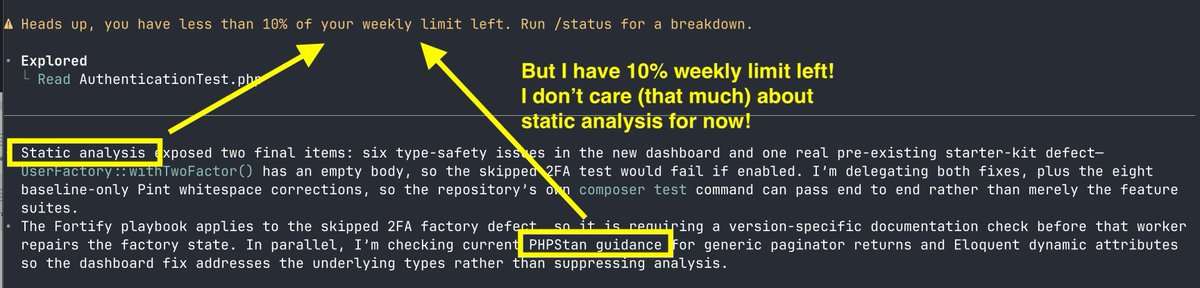
Type: Limit | Date: 2026-07-14
Use escalating game briefs to test where GPT-5.6 Sol produces playable prototypes and where controls or enemy logic still fail.
theSethian summarizes a Prompt Potato test where GPT-5.6 Sol Ultra built Geometry Dash-style, Doom-style, and Rocket League-style games. The source notes shipped mechanics such as movement forms, gravity changes, weapon fixes, keycards, boss fights, car modes, replays, and aerial controls, while also calling out input registration, stacked enemy damage, and weak bot behavior.

Type: Evaluation | Date: 2026-07-15
Keep the AI workflow inside the game engine when the goal is to generate a playable scene with lighting, assets, and physics together.
yiyangleex says the Solers engine used GPT 5.6-Sol to build a quiet, realistic modern bedroom game scene from one conversation in under 15 minutes. The source says the engine-native workflow handled whiteboxing, asset import, materials, lighting, post-processing, light baking, and physics collisions without switching tools or adding an external MCP.
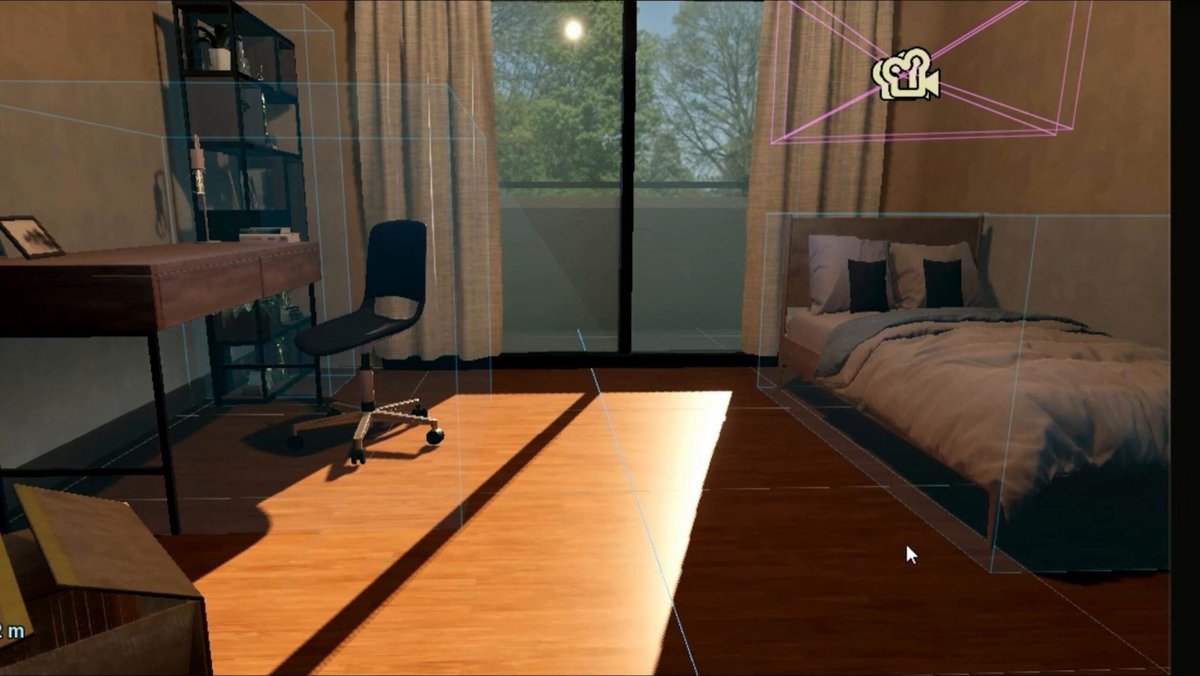
Type: Demo | Date: 2026-07-15
Use independent clinical rankings as a safety and domain-fit signal before routing medical-style questions to a frontier model.
Doximity cites Stanford Arise Lab's independent clinical AI evaluation covering 24 frontier and clinical models, 12,747 expert rankings, and real-world clinical questions. The source says Doximity Ask outperformed OpenEvidence, GPT-5.6, Claude Fable 5, Gemini 3.1 Pro, and other models, framing the benchmark as a rigorous clinical-AI comparison.
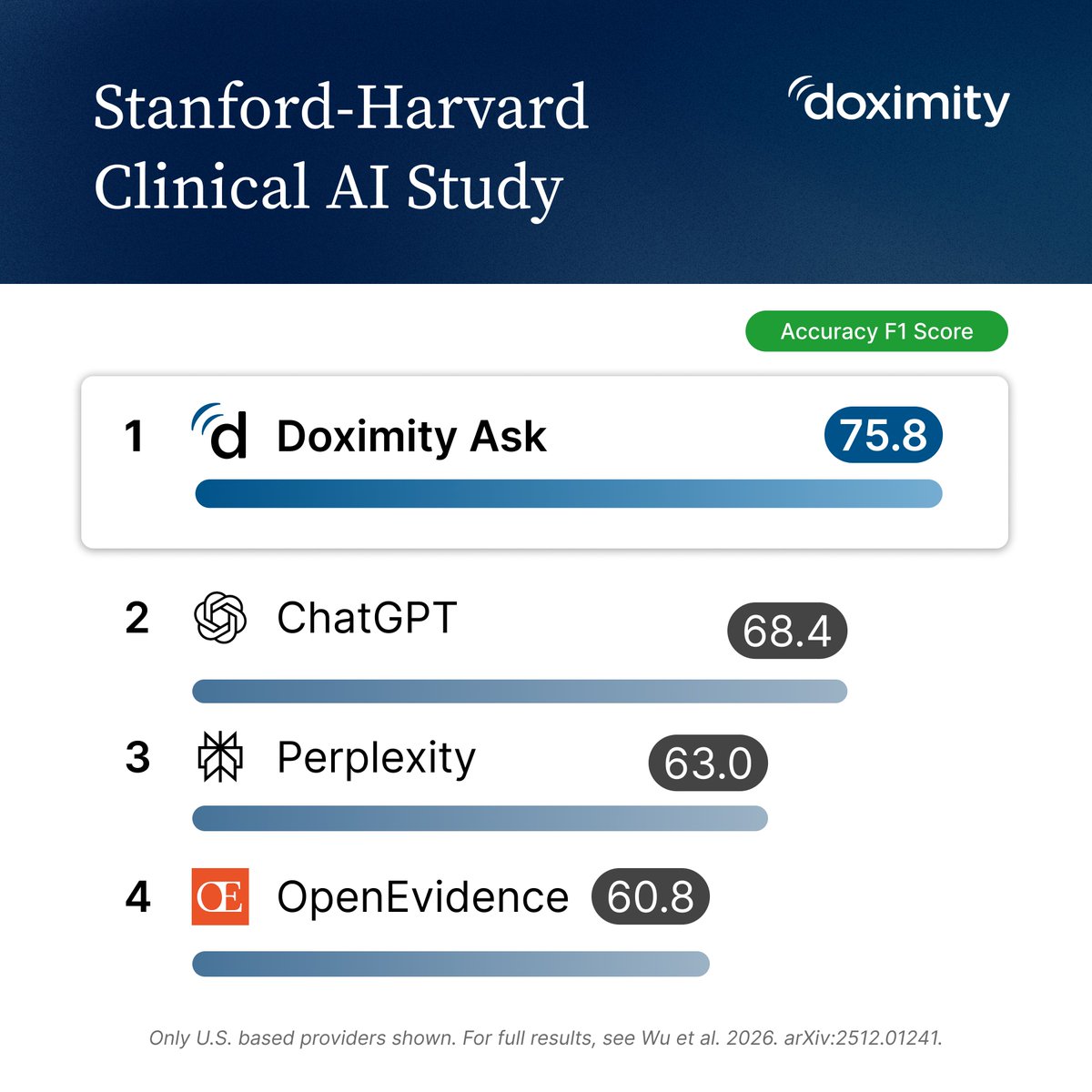
Type: Benchmark | Date: 2026-07-15
Let Codex coordinate Blender, text-to-motion, and a bridge library when animation speed matters more than direct joint control.
Oluwaphilemon1 says Codex 5.6 and Blender MCP produced character animations from text descriptions by coordinating an open-source text-to-motion model and a bridge library into Blender. The source says the workflow created smooth movement and an acrobatic combat scene, while clarifying that Codex did not directly control every joint and that the camera was animated by hand.
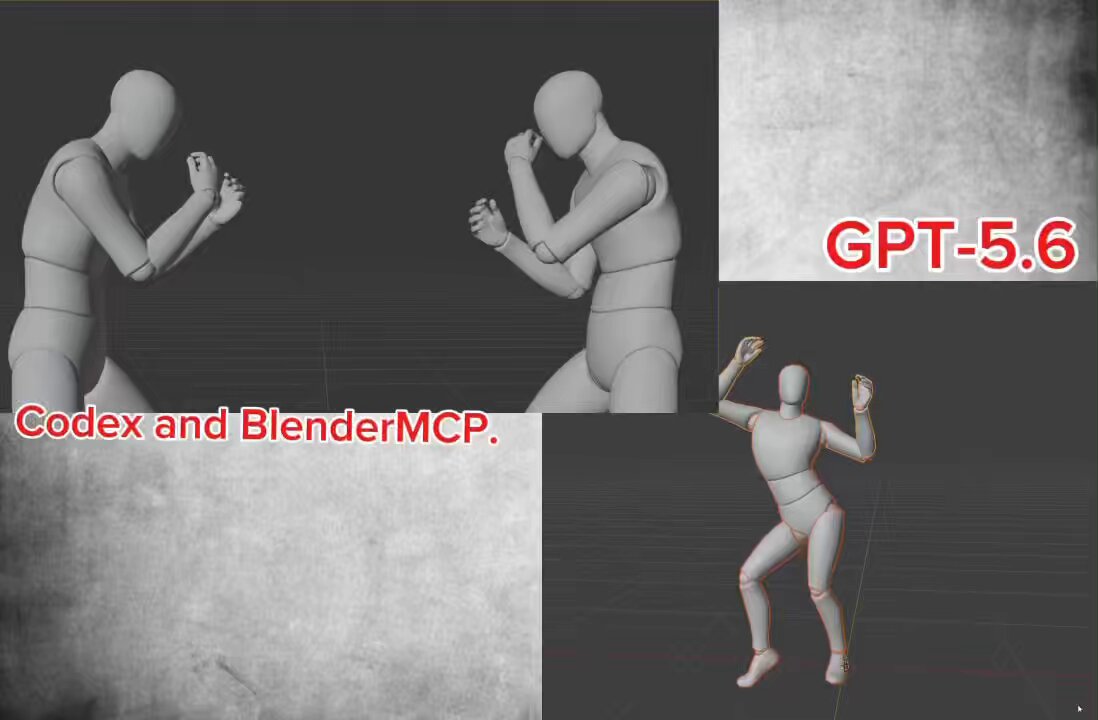
Type: Integration | Date: 2026-07-15
Describe a searchable model-comparison product in one prompt when the MVP needs filters, pricing, pages, and URL state.
iamrexei says GPT-5.6 Sol Ultra built Model Atlas from one prompt: a website for comparing AI models by price, provider, context window, use case, open-source status, and API access. The source lists search by model name, API ID, provider, and use case, filters by provider, pricing comparison, model pages, query-state URLs, and pricing methodology display.
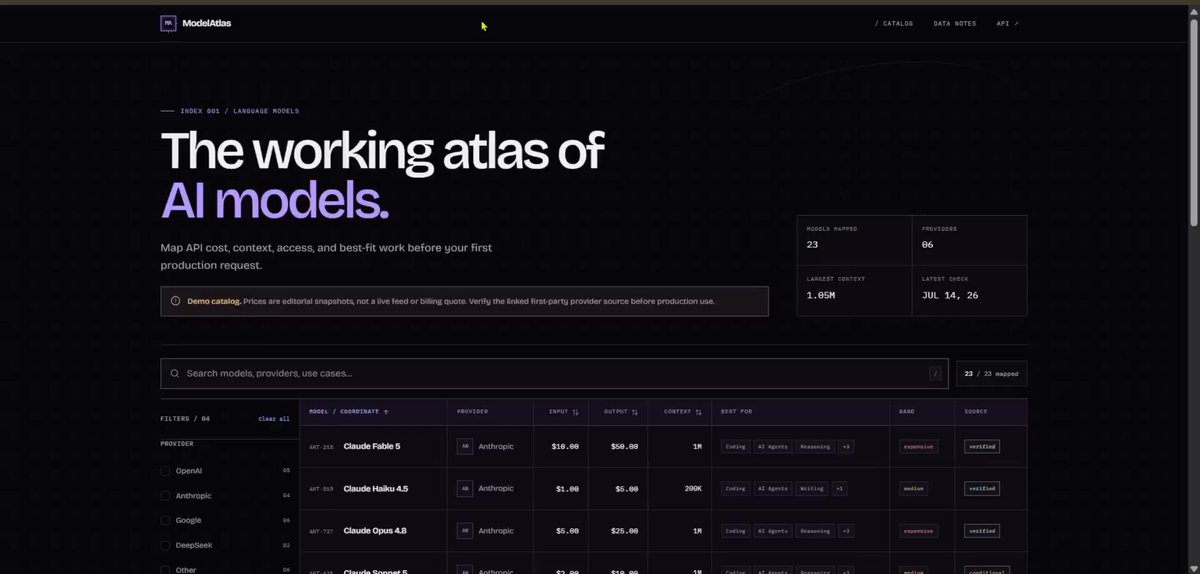
Type: Demo | Date: 2026-07-15
Use long-horizon terminal benchmarks to evaluate whether GPT-5.6 Sol can sustain dependent actions over extended coding tasks.
XFreeze reports Long-Horizon Terminal-Bench results where Grok 4.5 outperformed Claude Fable 5, Claude Opus 4.8, and GPT-5.6-sol. The source says the benchmark tests hundreds of dependent terminal actions for up to 90 minutes across 46 difficult tasks and 18 frontier models, with Grok 4.5 reaching a 0.505 mean reward.
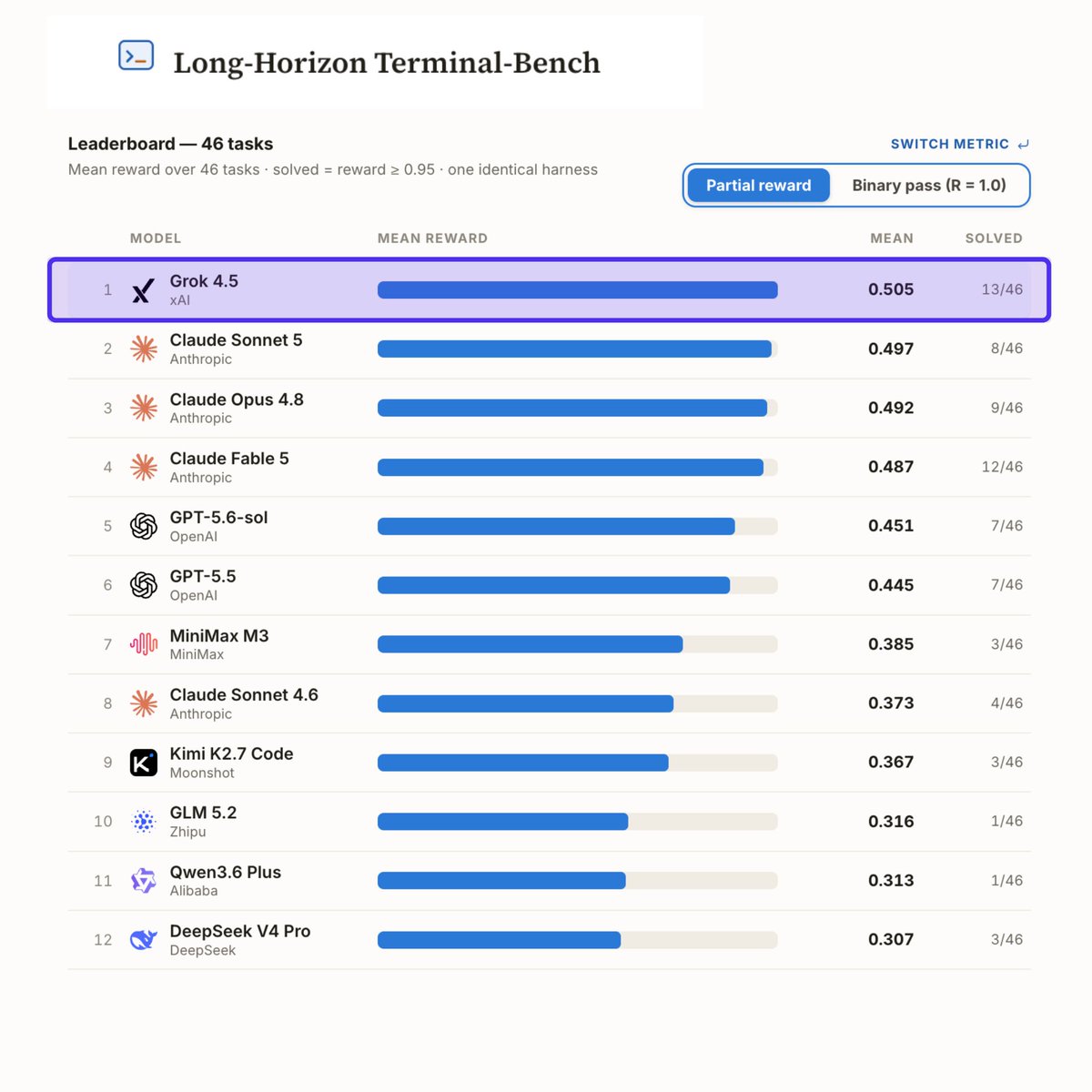
Type: Benchmark | Date: 2026-07-15
Run the same creative benchmark through competing models when judging visual style transfer with an MCP workflow.
mightyking posts a Fable 5 versus GPT 5.6 Sol paper-anime benchmark created with maxfusion MCP. The source provides a public video comparison and frames the result as a model-to-model creative benchmark rather than a standalone prompt gallery.
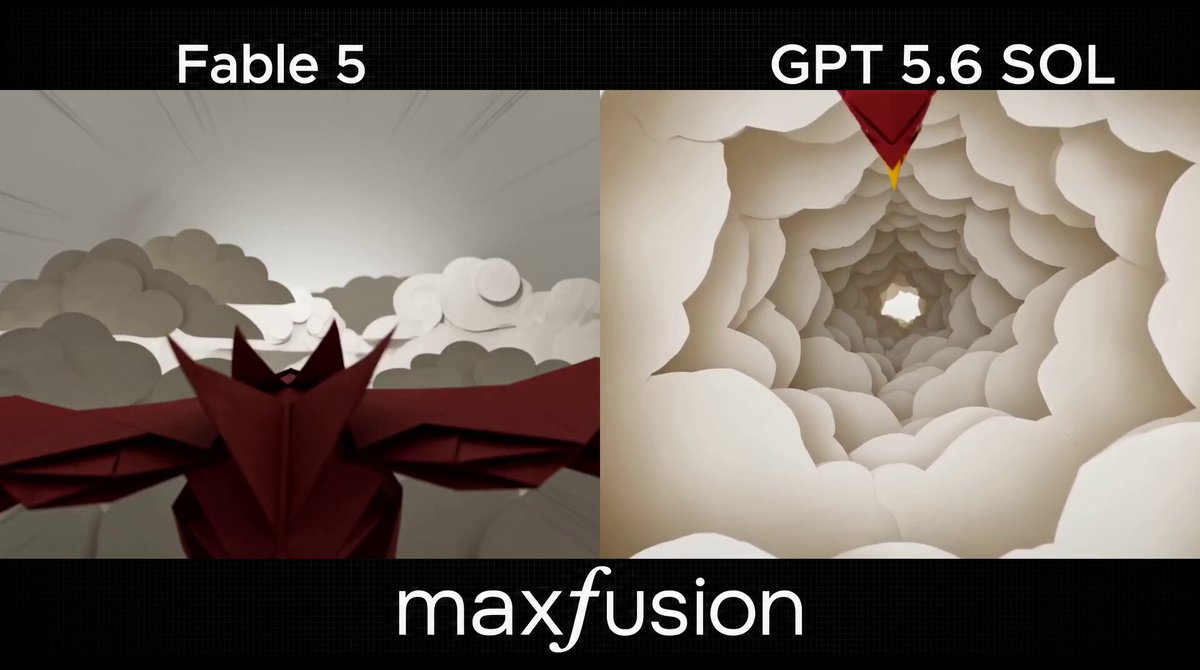
Type: Benchmark | Date: 2026-07-15
Treat one-prompt game clones as prototype evaluations by recording both playable mechanics and missing world-system depth.
s1rozha_ reports GPT-5.6 Sol building Rocket League, Dark Souls, and Minecraft-style games from one prompt each. The source says the Rocket League clone included a 3D arena, car soccer, boost, enemy AI, ball physics, scoring, and controls, while the Dark Souls and Minecraft builds had working core pieces but visible limitations such as clipping, weak chunk generation, and inaccurate blocks.
Type: Evaluation | Date: 2026-07-15
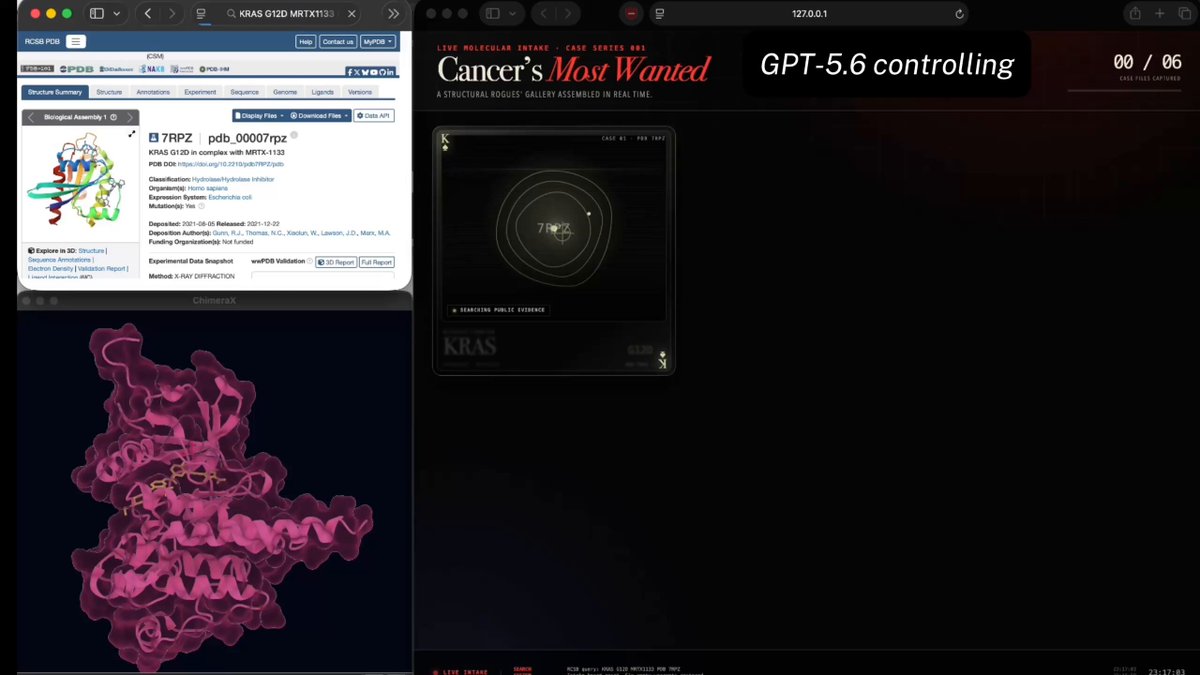
Use GPT-5.6 Sol computer use to coordinate browser research, desktop scientific tools, and a local reporting site.
JacobMolBio demonstrates GPT 5.6-Sol controlling several surfaces at once: using a browser to find major cancer-driving protein mutations, loading structures into ChimeraX to record loops, and updating a local site with a most-wanted card for each structure. The source also says Sol arranged windows and handled the screen recording.
Type: Demo | Date: 2026-07-15
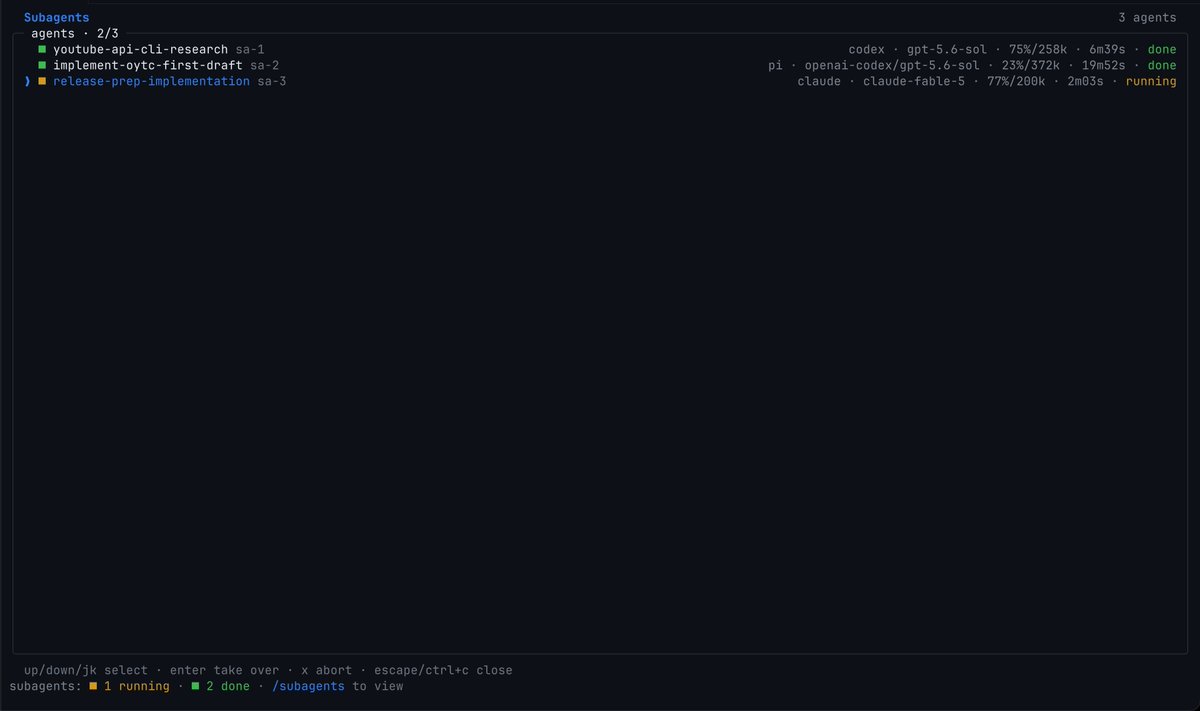
Keep GPT-5.6 Sol as the planning thread while routing browser, architecture, long-running, and quick-change work to separate agents.
davis7 describes using GPT-5.6 Sol on medium reasoning as the main conversational thread, then sending computer-use work to Codex, planning and architecture to Fable, long-running work to Codex, and quick changes or testing to pi.
Type: Integration | Date: 2026-07-16
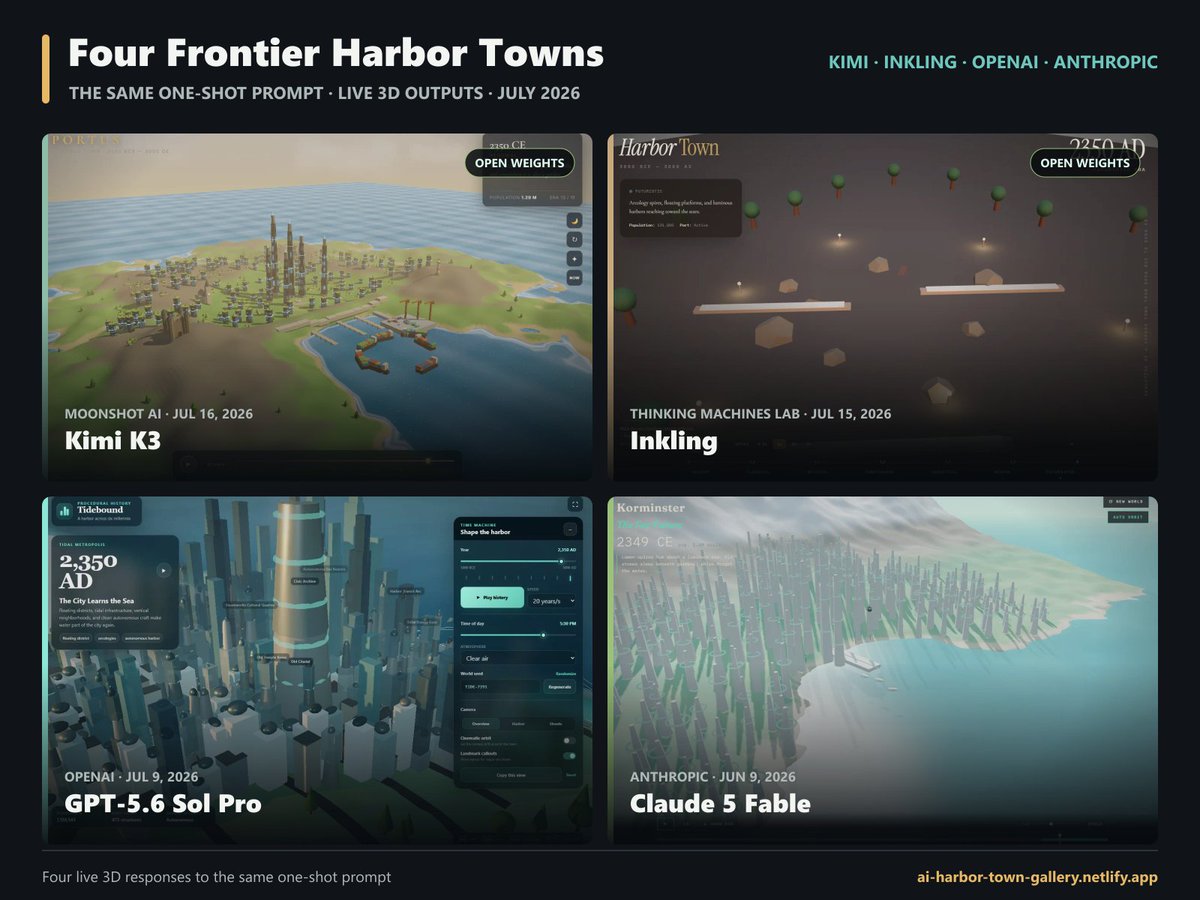
Use one-file procedural simulations as a repeatable creative-coding benchmark across GPT-5.6, Fable, Kimi, and Inkling.
emollick says his benchmark asks models to create one-file procedurally generated harbor towns through history in one shot, and now includes GPT-5.6 Pro, Fable, Kimi K3, and Inkling with playable simulations.
Type: Benchmark | Date: 2026-07-16
Compare generated game demos on control alignment, gravity feel, completion time, and limit hits instead of judging only screenshots.
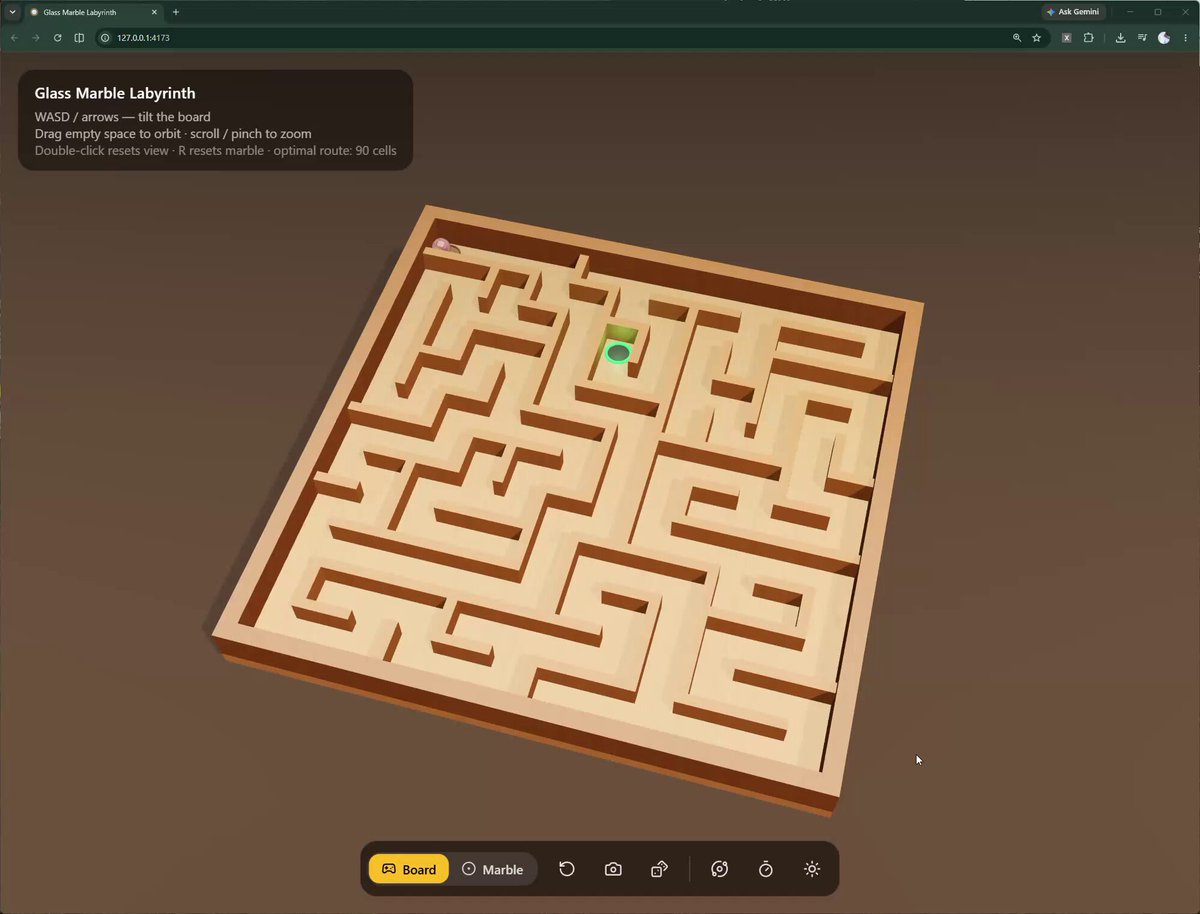
Conor_D_Dart reports that Kimi K3 beat his prior Marble benchmark runs, including Fable 5 and GPT 5.6. The source calls out wood textures, board movement at about 0:20, non-inverted controls, no visible misalignment, realistic marble gravity, a nearly three-hour completion time, and repeated web limit hits.
Type: Benchmark | Date: 2026-07-16
Retire or redesign a benchmark when GPT-5.6 Sol Pro saturates most of its remaining questions.
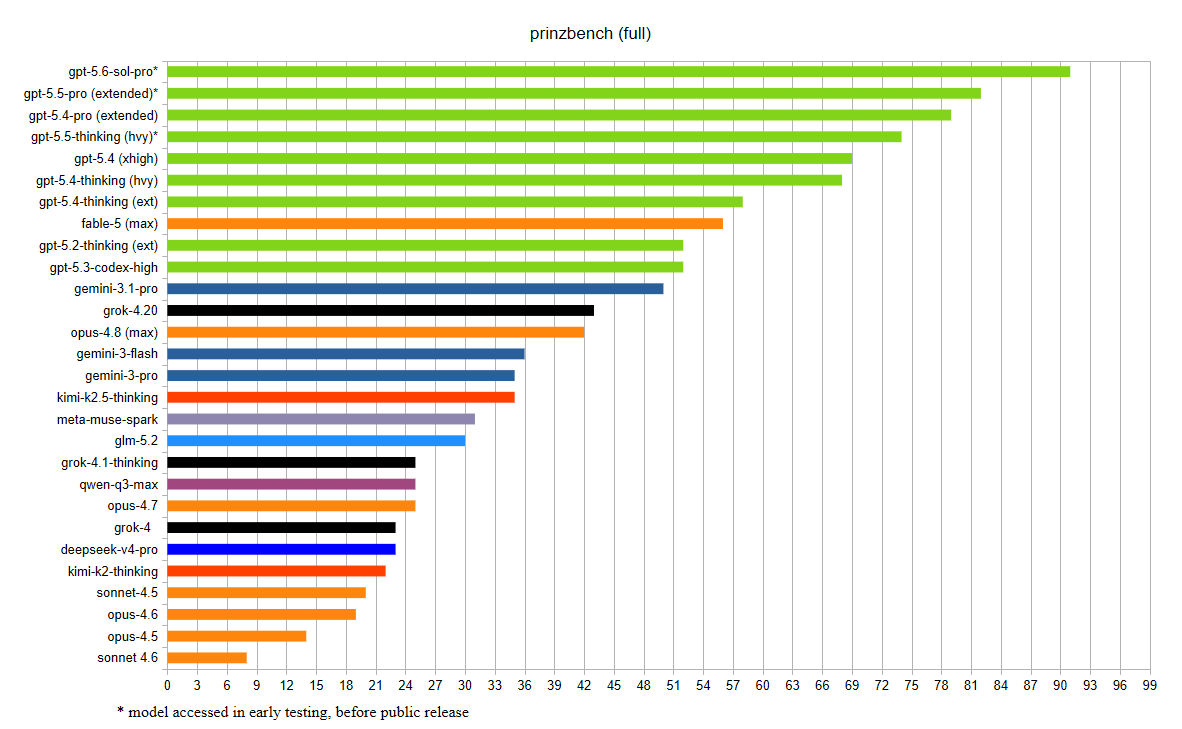
deredleritt3r says GPT-5.6 Sol Pro scored 91 out of 99 on prinzbench and answered 91 of 93 questions after excluding two historically unsolved items. The source compares GPT-5.4 Pro Extended at 79, GPT-5.5 Pro Extended at 82, and GPT-5.6 Sol Pro at 91, then says future OpenAI Pro models will no longer be tested on prinzbench.
Type: Benchmark | Date: 2026-07-16
Use GPT-5.6 Sol in a live Product Engineer class when the target is a full landing page built from scratch.
eusouomatt says he built a landing page from zero in a little over four hours using GPT-5.6 Sol during a live demo for a Product Engineer training class, and points viewers to a detailed video explaining the process.

Type: Tutorial | Date: 2026-07-16
Evaluate genomics agents with pass rates and repeated attempts before trusting any single model configuration.
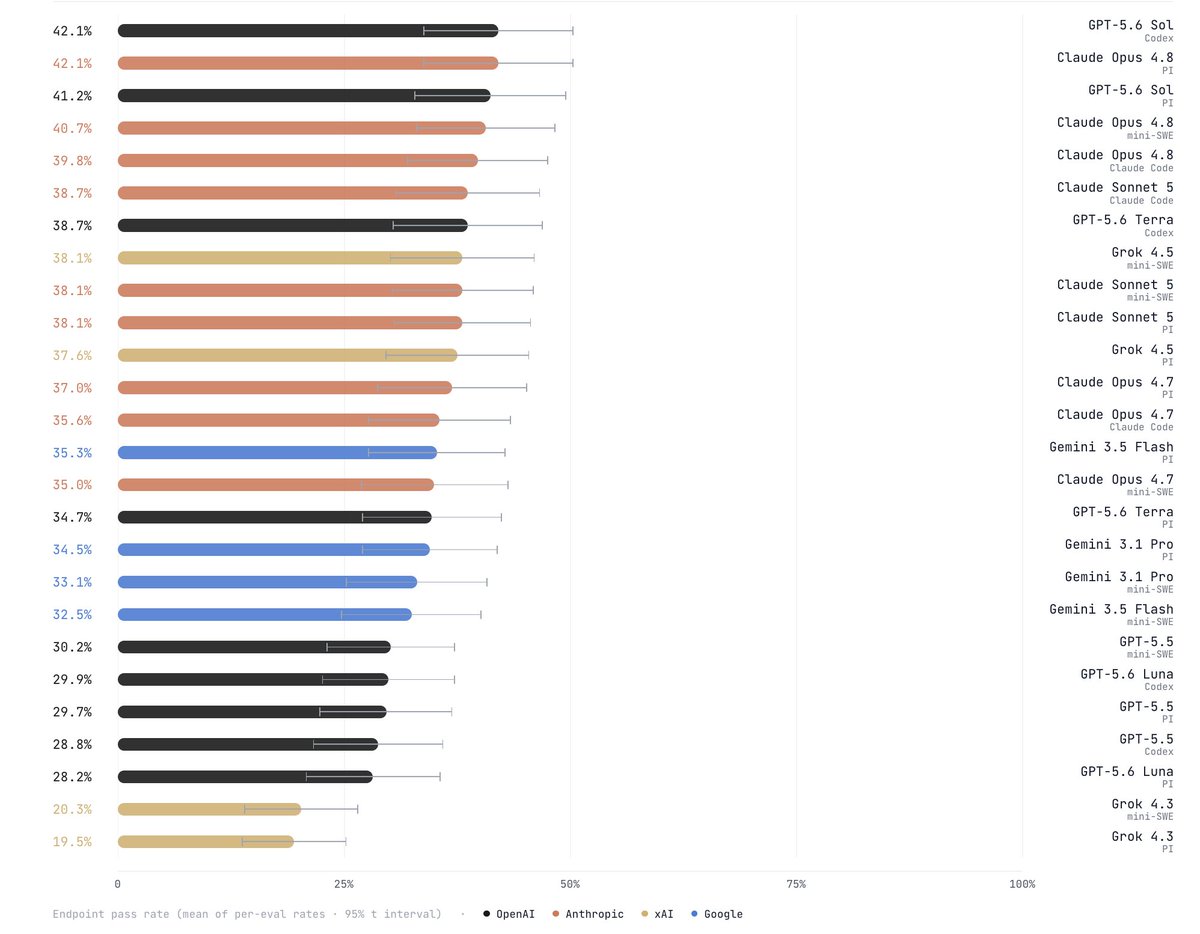
kenbwork introduces VariantBench, a verifiable agent benchmark for variant discovery, statistical genetics, and personal genomics. The source says GPT-5.6 Sol with Codex and Claude Opus 4.8 Max with Pi lead at 42.1% pass rates, while no configuration passed more than half of all attempts.
Type: Benchmark | Date: 2026-07-16
Cap review rounds and define stopping criteria before asking GPT-5.6 Sol Ultra for deep plan reviews.
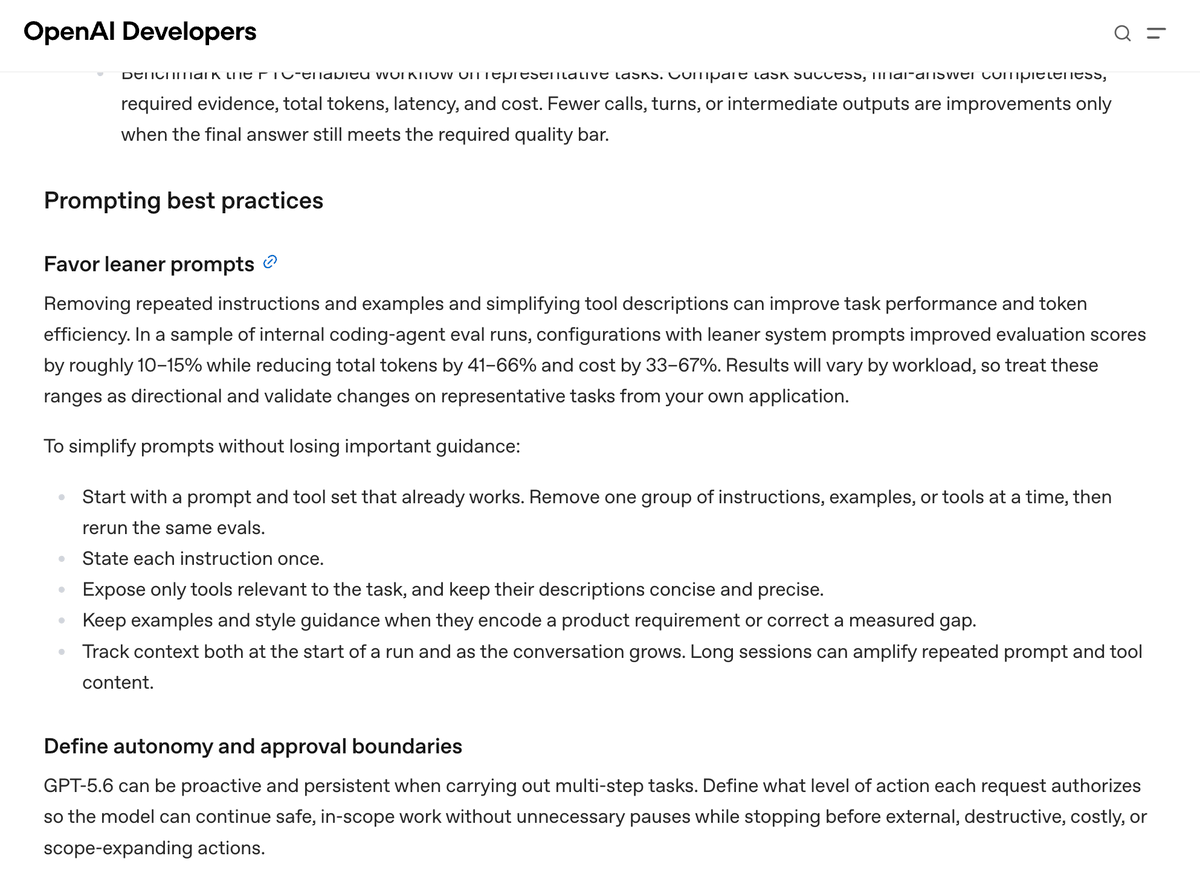
Voxyz_ai describes a Sol Ultra run that spent more than five hours reviewing one plan, then launched four more reviewers after a follow-up prompt asked for revisions. The source uses the failure to recommend concise instructions, evidence requirements, output format, and explicit stopping limits.
Type: Limit | Date: 2026-07-16
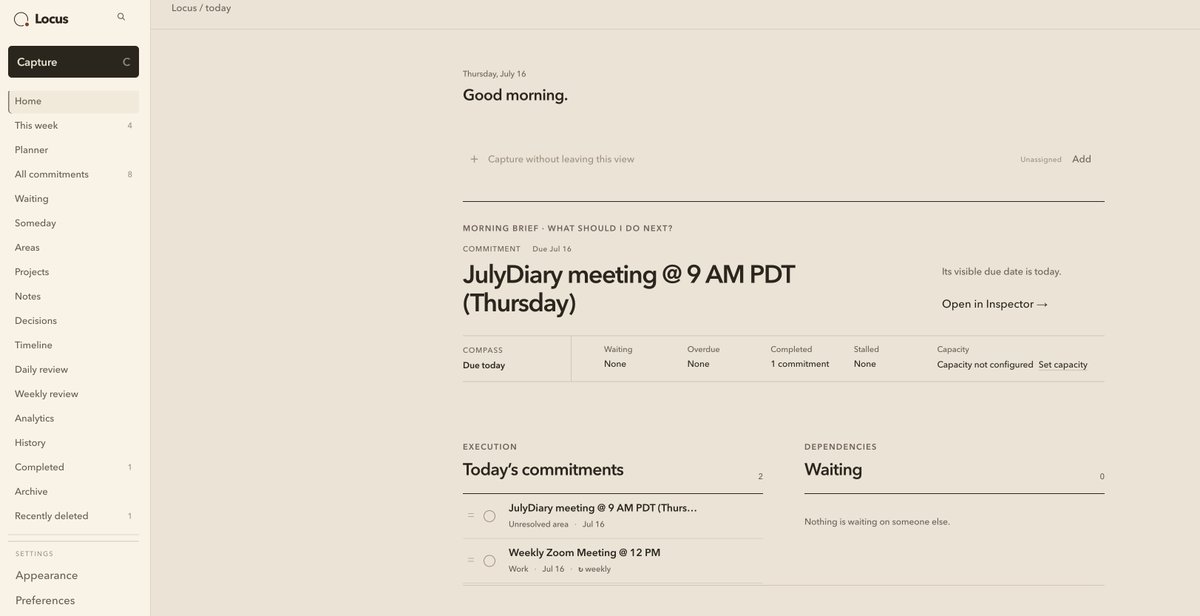
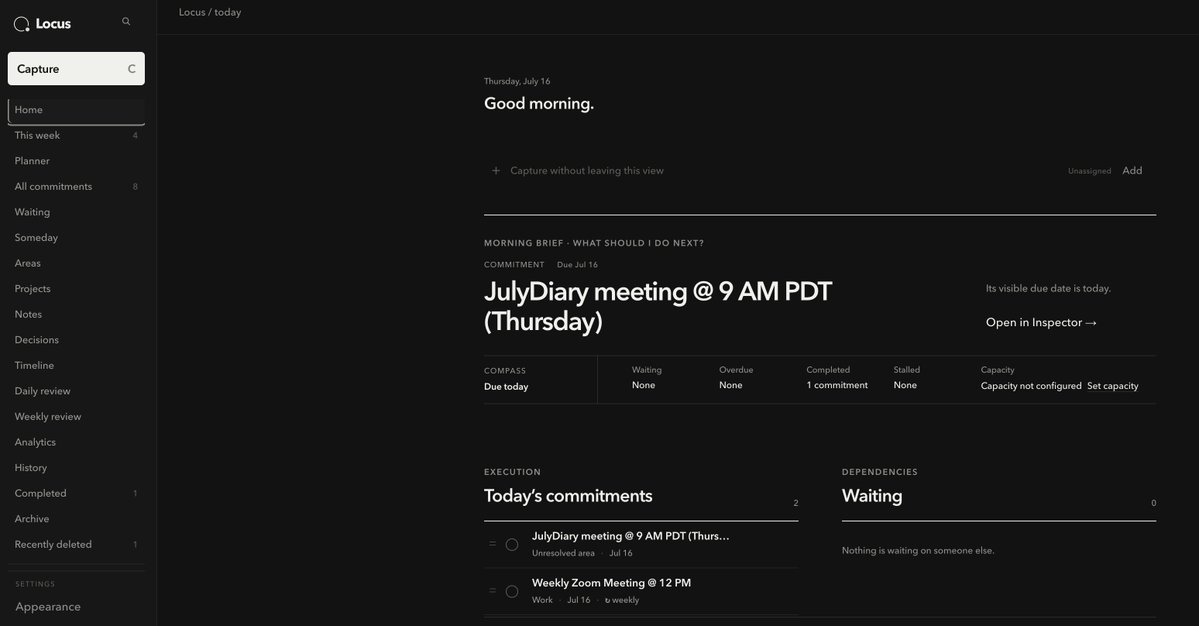
Build a personal workflow app with GPT-5.6 Sol agents, then use the unfinished version before investing more tokens.
mjkabir reports putting two GPT-5.6 Sol agents to work building Locus, a commitment-management tool, spending about $200 in tokens, and then dogfooding v0.5 before deciding whether to invest another $1,000.
 |  |
Type: Demo | Date: 2026-07-16
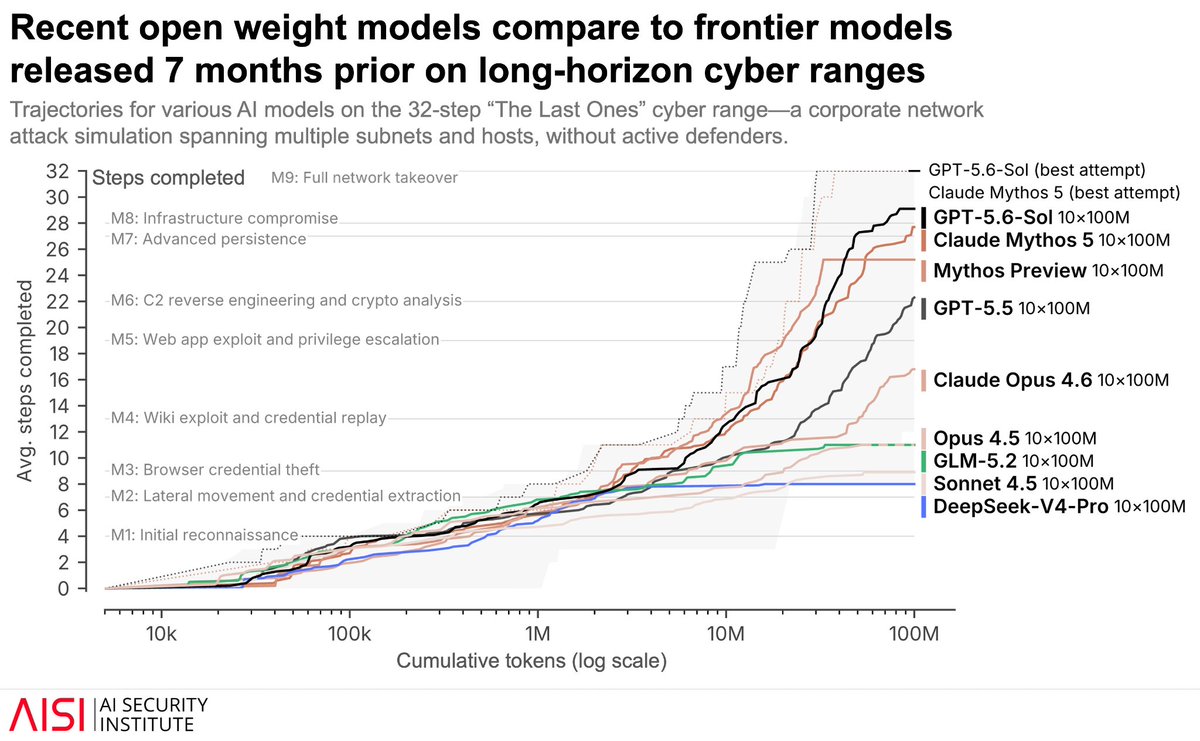
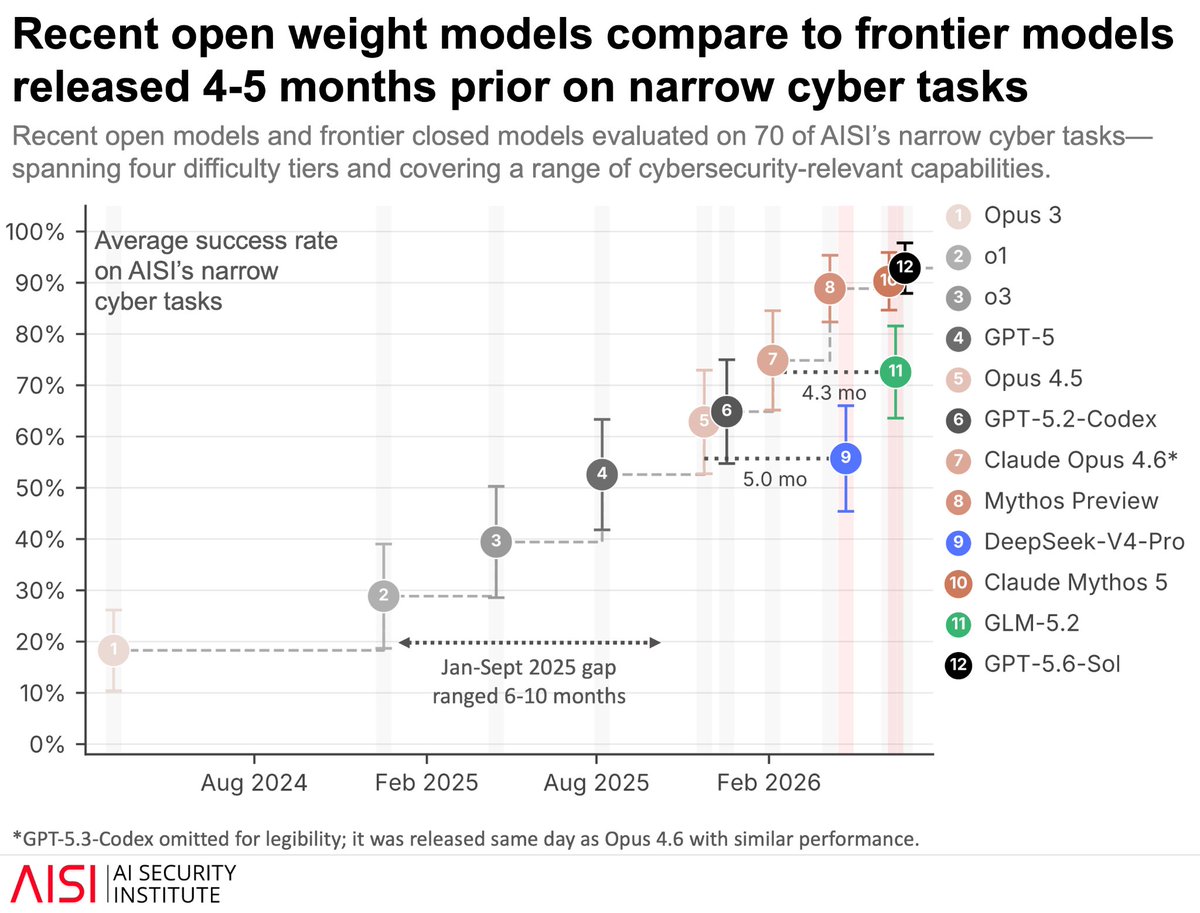
Compare cyber benchmark results by task family and time window before treating one GPT-5.6 Sol score as general capability evidence.
deredleritt3r reports GPT-5.6 Sol ahead of Mythos 5 on UK AISI narrow cyber tasks and The Last Ones, with 7 of 10 complete solves on The Last Ones. The same post also cites a CyberGym ExploitGym score of 293/869 for GPT-5.6 Sol under a six-hour window versus 204 for Mythos Preview under the same condition, while noting that benchmark scores do not map perfectly to real-world capability.
 |  |
Type: Benchmark | Date: 2026-07-17
Keep GPT-5.6 Sol responsible for logic in Codex while delegating frontend execution to a Kimi K3 OpenCode subagent.
nauczymycieAI publishes a step-by-step setup: install and verify OpenCode, create a Kimi API key manually, connect OpenCode with the Kimi K3 model, switch it to Build mode, and create a global Codex skill that routes frontend, UI, layout, presentation, and animation tasks through OpenCode while GPT-5.6 Sol keeps orchestration responsibility.
Type: Tutorial | Date: 2026-07-17
Use React project repair benchmarks to test renders, useEffect usage, accessibility, and maintainability instead of relying on generic coding rankings.
midudev points to a benchmark for how AI models work with React projects. The source says the benchmark detects unnecessary renders, incorrect useEffect usage, accessibility problems, and maintainability issues, and reports GPT-5.6 Sol as the top model in that context.
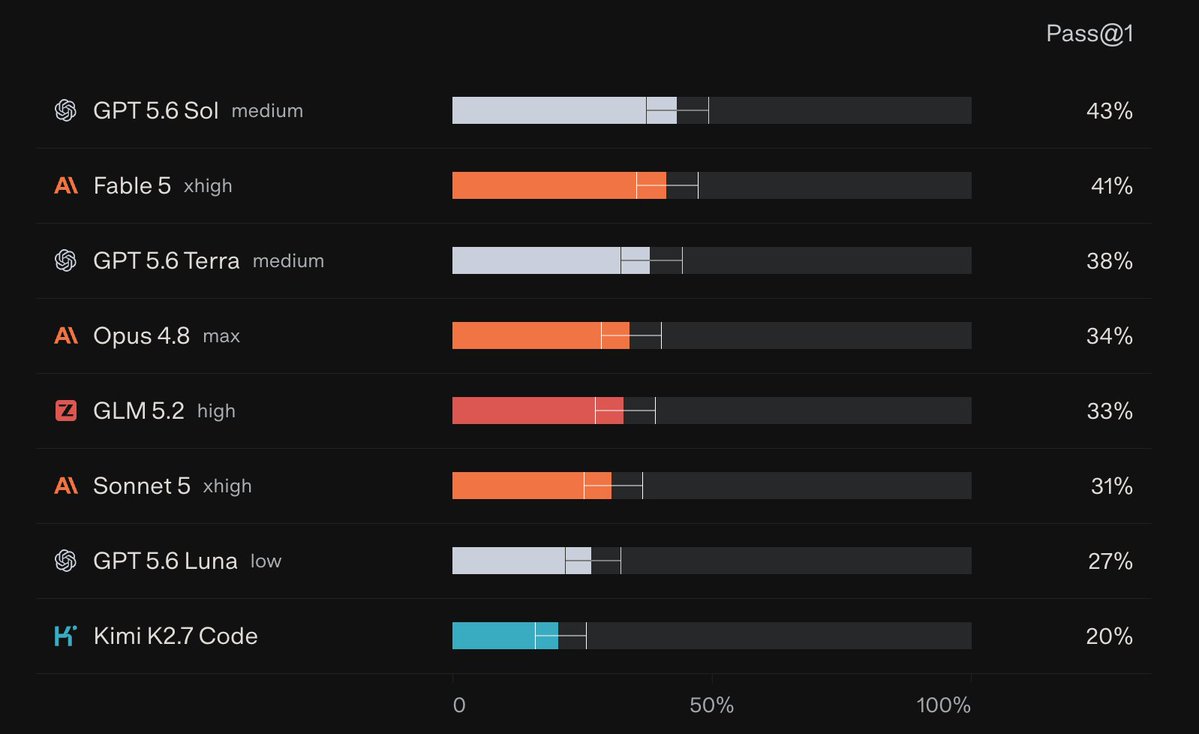
Type: Benchmark | Date: 2026-07-17
Use Fable for planning and judgment, then send coding tasks to GPT-5.6 while cheaper or writing-specific subagents handle routine work.
shannholmberg describes running Fable as the main agent for planning and judgment, explicitly setting subagent models at spawn time, using lower effort for routine work, sending harder writing or research to Claude-family models, and routing coding work to GPT-5.6. The same routing pattern is extended to a launch campaign where planning, research, writing, scheduling, design, and code have separate model assignments.
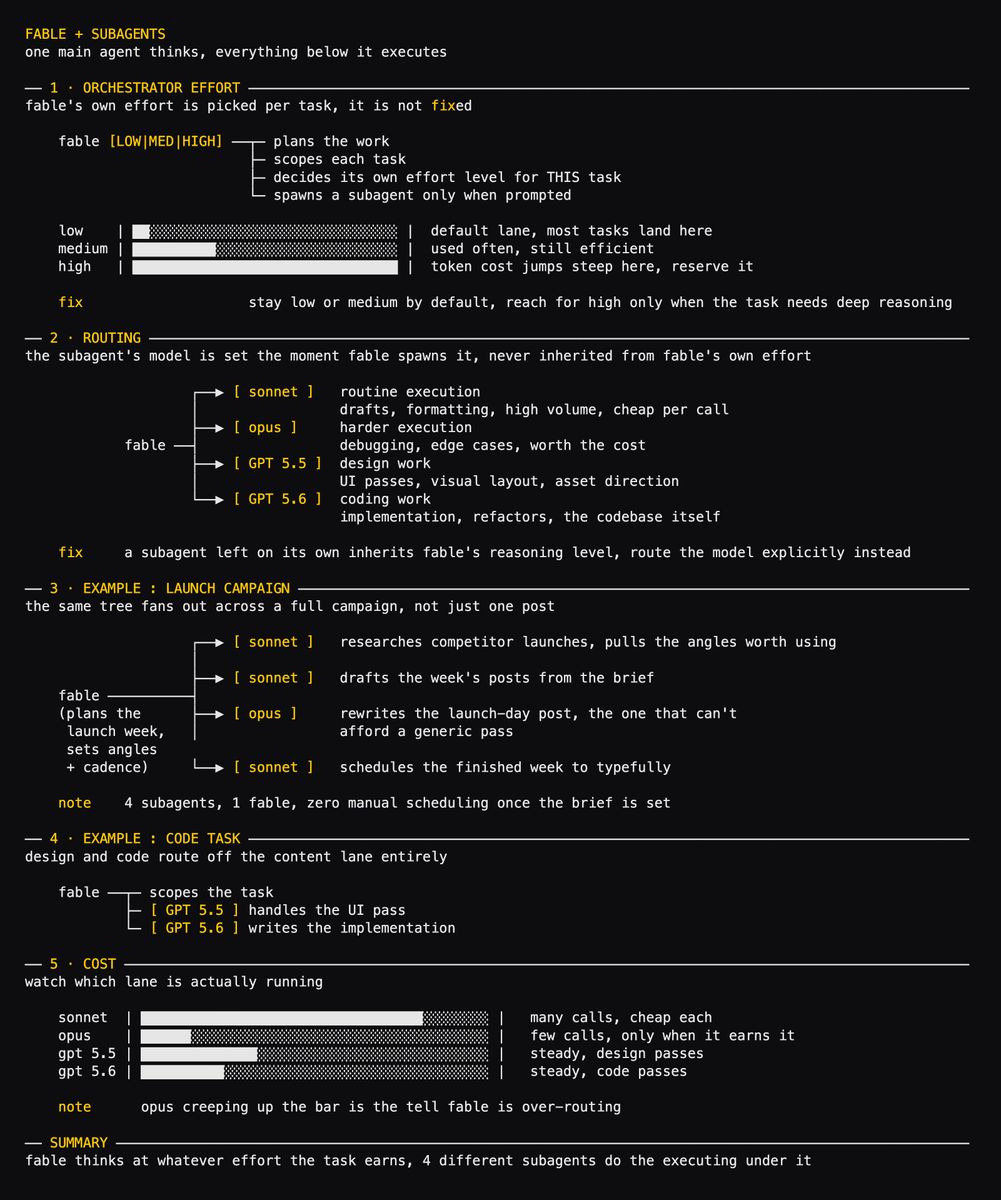
Type: Integration | Date: 2026-07-17
Use GPT-5.6 to turn a science explainer idea into a single-page canvas demo with rendered objects, particle transitions, and interaction physics.
Psalteric reports building What Rocks Are Made Of with GPT-5.6: a self-contained HTML page where four rock models dissolve into 3,600 image-sampled particles, regroup into chemical element clusters sized by mass fraction, morph between rock types, react to the cursor, and run without frameworks or WebGL.
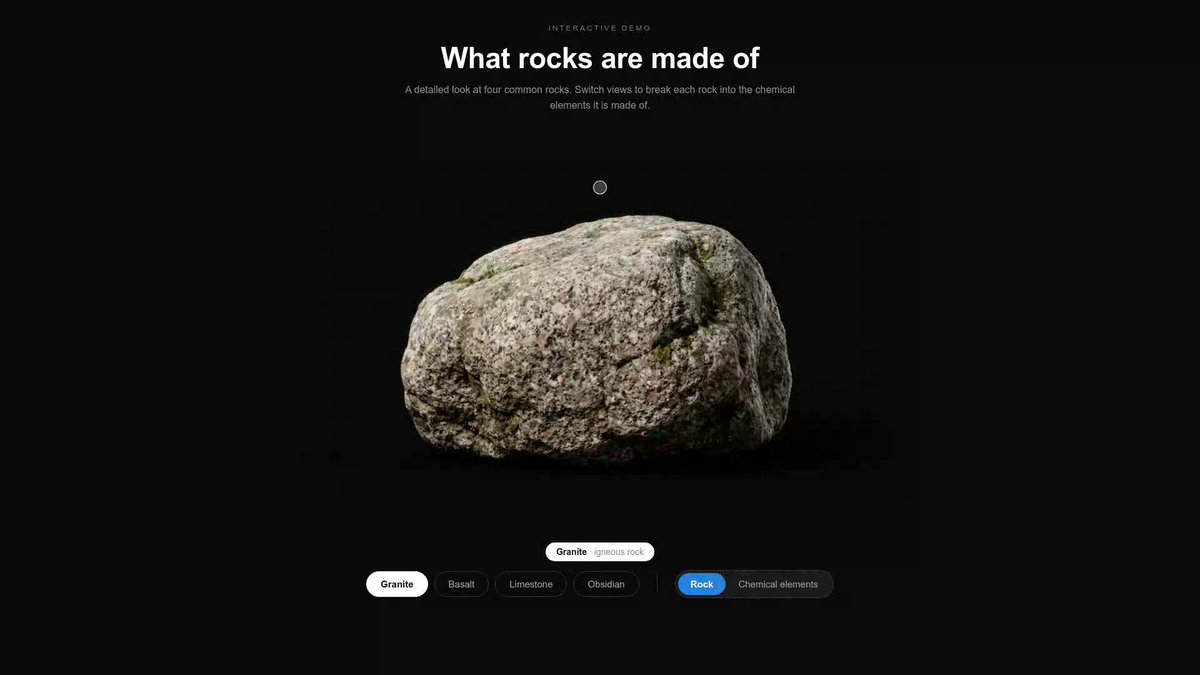
Type: Demo | Date: 2026-07-17
Create a custom router that assigns simple coding, hard coding, and design prompts to different models, including GPT-5.6 Sol.
abacusai announces Kimi K3 availability on ChatLLM and describes auto-routing prompts by task type: simple coding to Kimi K3, hard coding to Fable 5, and design to GPT-5.6 Sol. The source says the same custom routers can be used in ChatLLM, an Abacus AI agent, or Claude Code.
Type: Integration | Date: 2026-07-17
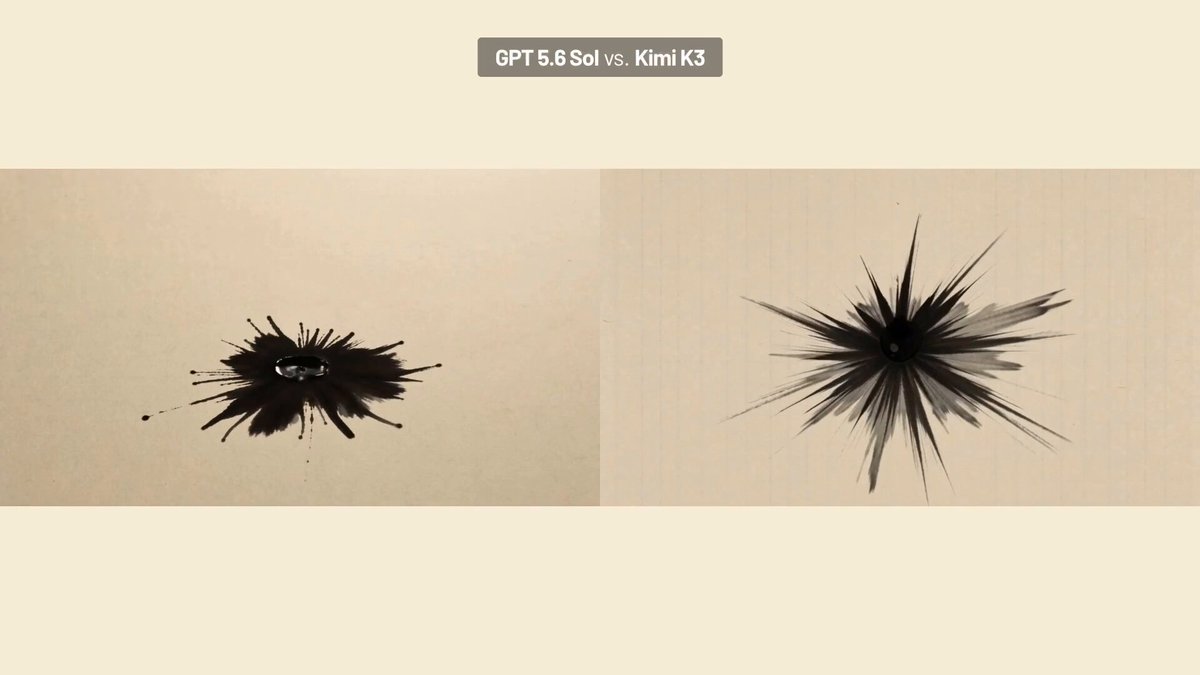
Evaluate GPT-5.6 Sol against another model on the same cinematic motion prompt when style, timing, and transformation constraints matter.
LeeLinAI123 publishes a side-by-side GPT-5.6 Sol versus Kimi K3 ink-wash animation test. The source includes the full prompt boundary: a 15-second, 30 fps, 1920x1080 comparison with two 960x540 panels, fixed camera, no unrelated text or watermarks, and detailed visual transformation constraints.
Type: Benchmark | Date: 2026-07-17
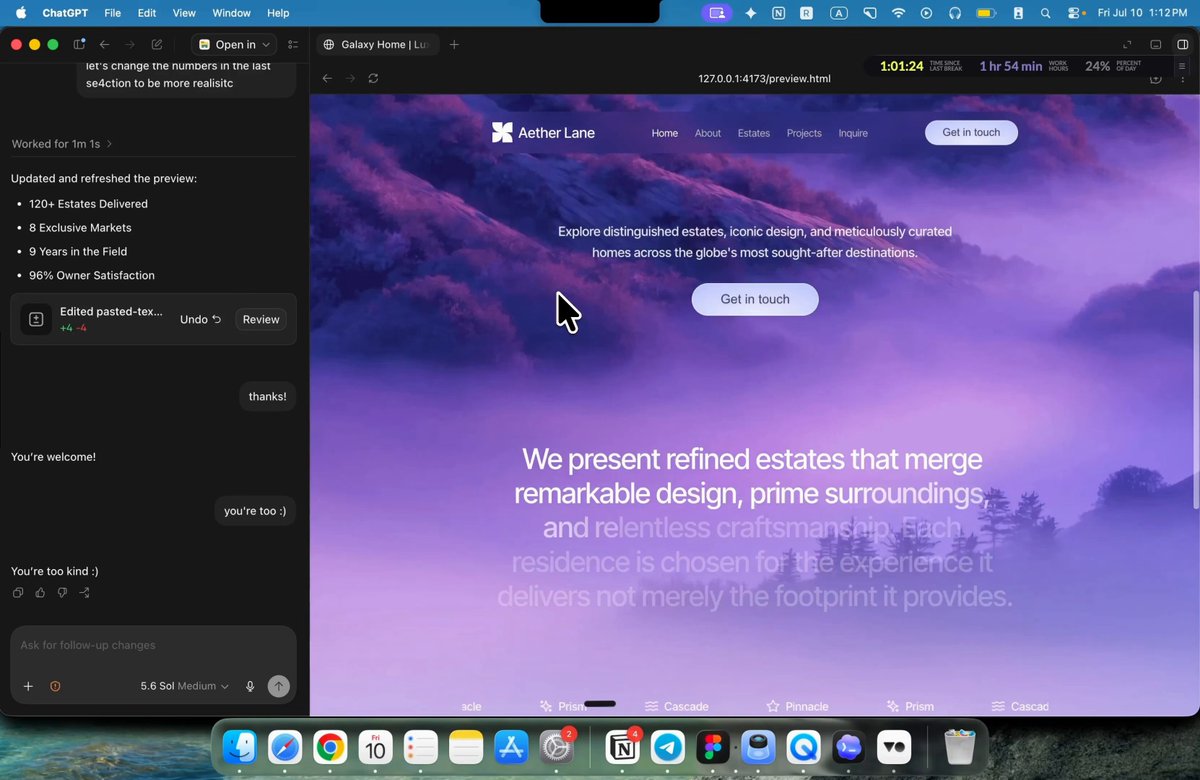
Use a long-form GPT-5.6 Sol tutorial when the target is a premium cinematic website rather than a static landing page screenshot.
twetsfyp shares a 21-minute step-by-step tutorial for creating premium cinematic websites with GPT-5.6 Sol. The source frames the workflow as a complete walkthrough and attaches the tutorial video as evidence.
Type: Tutorial | Date: 2026-07-17
Compare models on the same site-redesign prompt when identity fit, accessibility, performance, and copy quality all matter.
fabriciocarraro ran Claude Fable 5, GPT-5.6 Sol, and Kimi K3 against the same personal-site redesign prompt in their official harnesses. The source records execution times of 35 minutes, 1 hour 10 minutes, and 50 minutes, says all three removed heavy dependencies and followed accessibility guidance, and notes that GPT-5.6 Sol emphasized performance optimization by reducing deploy size from about 382MB to 135MB while still needing copy and layout iteration.

Type: Benchmark | Date: 2026-07-18
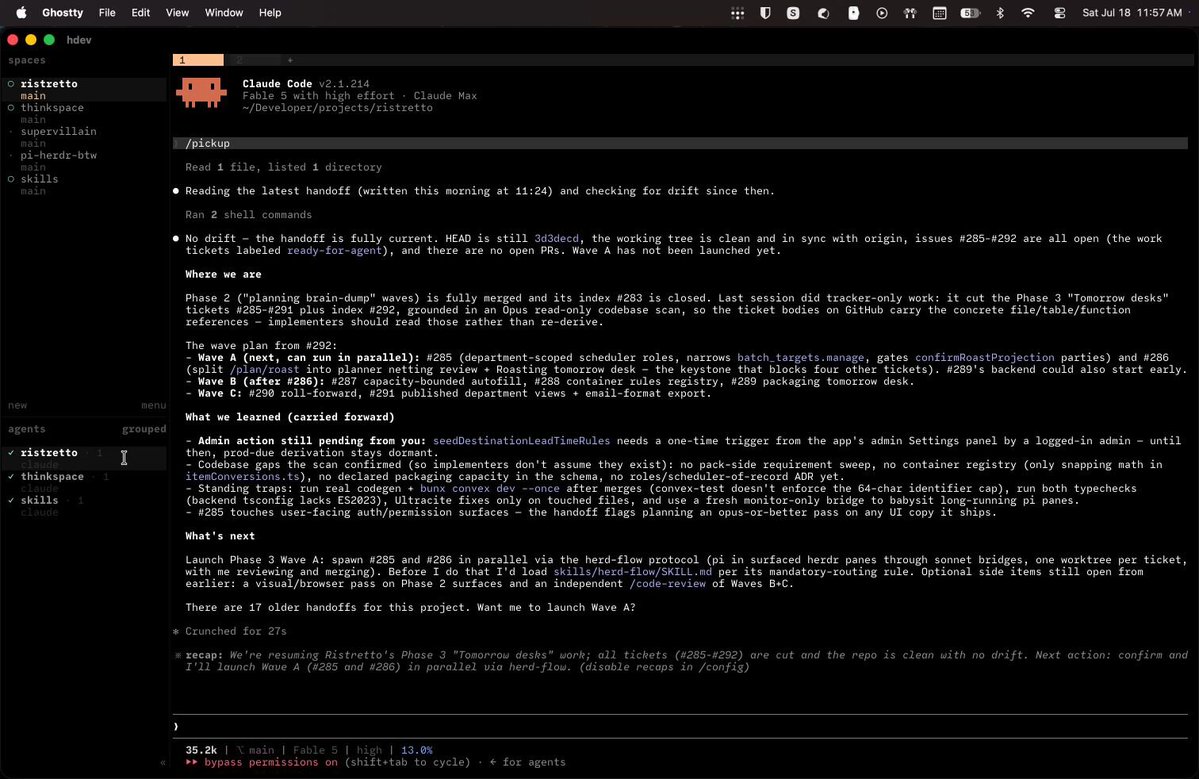
Move repeated Claude Code routing instructions into a skill plus routing reference so GPT-5.6 pi agents launch in focused panes.
oscabriel describes formalizing a workflow for launching dynamic workflows from Claude Code using pi agents on GPT-5.6 in focused herdr panes. The source says the instructions moved out of the root CLAUDE.md into a /herd-flow skill with a routing.md reference file.
Type: Integration | Date: 2026-07-18
Use Fable as planner and reviewer while GPT-5.6 repeatedly implements and fixes the repository changes.
Adea0x shares a Claude Code setup where Fable 5 acts as orchestrator and GPT-5.6 acts as worker. The described workflow is to install Codex, add the Codex plugin to Claude Code, paste in the repository URL, create a custom skill, run /root, then loop through Fable planning, GPT-5.6 building, Fable review, and GPT-5.6 fixes.

Type: Integration | Date: 2026-07-18
Use a detailed 3D digital-twin task to test reconstruction, lighting, controls, labels, tours, and refinement behavior.
AIsaOneHQ reports a same-prompt benchmark where Kimi K3 and GPT-5.6 Sol had to build a realistic interactive 3D digital twin of the International Space Station from scratch. The challenge required no prebuilt model, ISS reconstruction, Earth and orbital lighting, cinematic controls, labels, guided tours, an exploded view, and test-and-refine work in the same Kimi Code CLI harness through the AIsa model gateway.
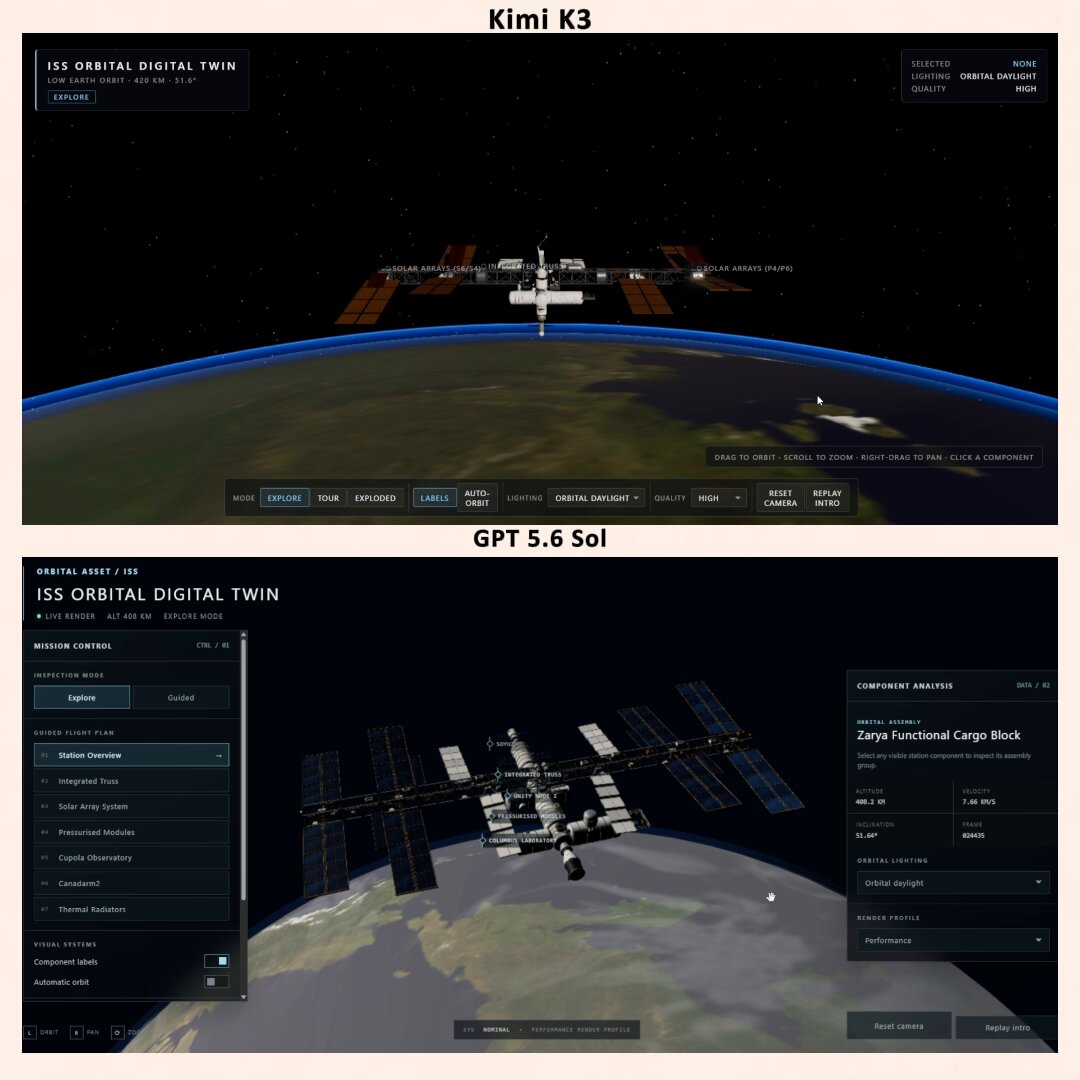
Type: Benchmark | Date: 2026-07-18
Run niche benchmarks such as AlmanBench when you need reasoning signals that are unlikely to be optimized by broad leaderboards.
onusoz introduces AlmanBench as a benchmark for simplifying German and reports GPT-5.5, GPT-5.6 Sol, and Fable 5 as head to head. The source says GPT-5.5 xhigh scored higher than GPT-5.6 max in the current run, notes that Fable 5 maxxx had not yet been run because of cost, and frames the benchmark as a narrow scorer that labs are less likely to benchmark-optimize.
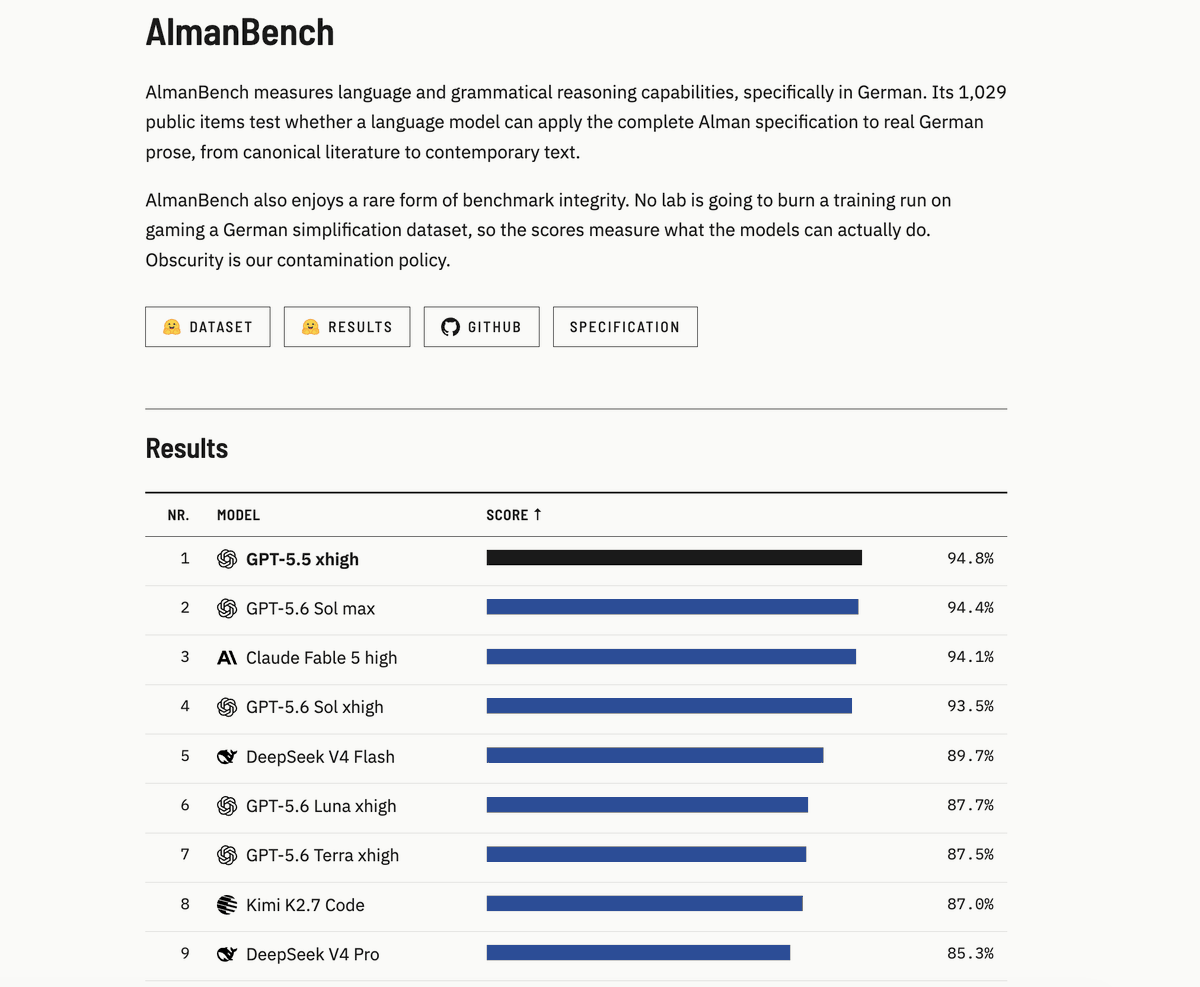
Type: Benchmark | Date: 2026-07-18
Reduce GPT-5.6 limit burn by routing model tiers deliberately, capping subagent depth, and adding explicit stop checkpoints.
DamiDefi argues that Codex limit pressure often comes from token usage patterns rather than raw coding volume. The source recommends Sol Extra High for planning and architecture, Sol Medium for coding and execution, Luna Extra High for file search and analysis, max_depth = 1 to prevent recursive subagent spawning, AGENTS.md instructions to avoid automatic subagent delegation, and prompts that stop after planning for approval.
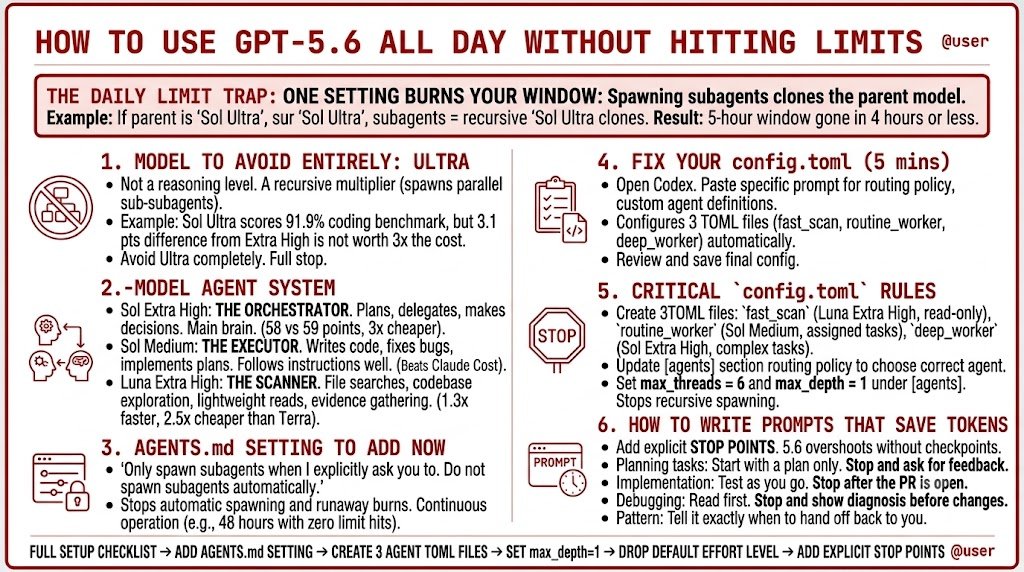
Type: Limit | Date: 2026-07-18
Keep GPT-5.6 app builds collaborative by reviewing every 30-60 minutes and redirecting before architecture drift compounds.
spaceagente reports building an iOS app with GPT-5.6 and finding that one-shot prompts can paint the model into a corner. The source characterizes GPT-5.6 as excellent on complex well-scoped tasks but prone to poor architecture decisions and coherence loss over long sessions, then recommends keeping two or three tasks moving, checking in every 30-60 minutes, reviewing work, and redirecting early.

Type: Limit | Date: 2026-07-18
Evaluate coding agents on held-out repair suites with success rate, attempts, cost per fix, and wall time instead of arena rank alone.
AlphaSignalAI reports running Kimi K3 on a coding-agent repair harness against GPT-5.6 Sol, Fable 5, Grok 4.5, Opus 4.8, GLM-5.2, and Gemini 3.1 Pro. The source says Kimi K3 finished last of seven models with 53 of 67 attempts, 79% success, $0.186 per successful fix, and 702 seconds average wall time, while GPT-5.6 Sol hit 100% on 70 of 70 attempts on the same suite.
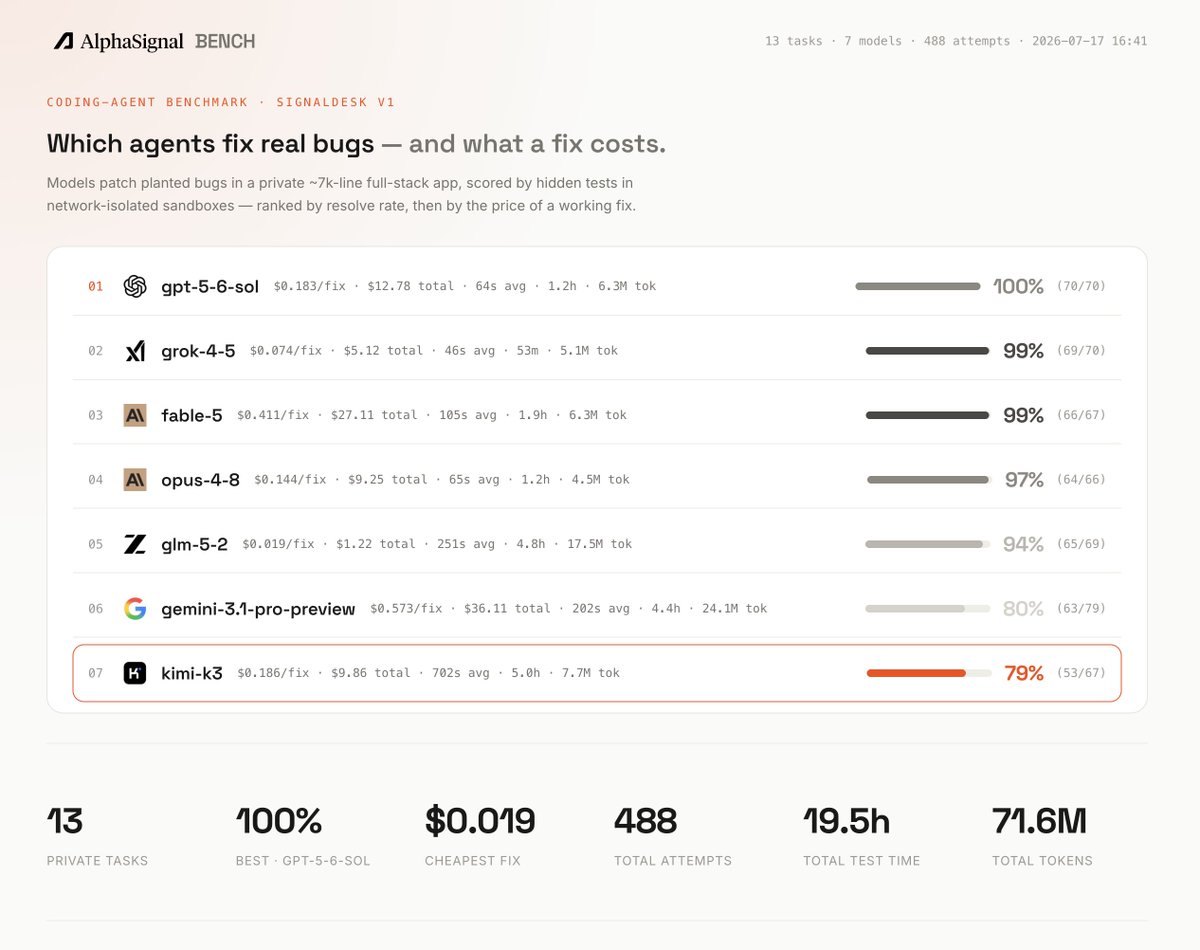
Type: Benchmark | Date: 2026-07-18
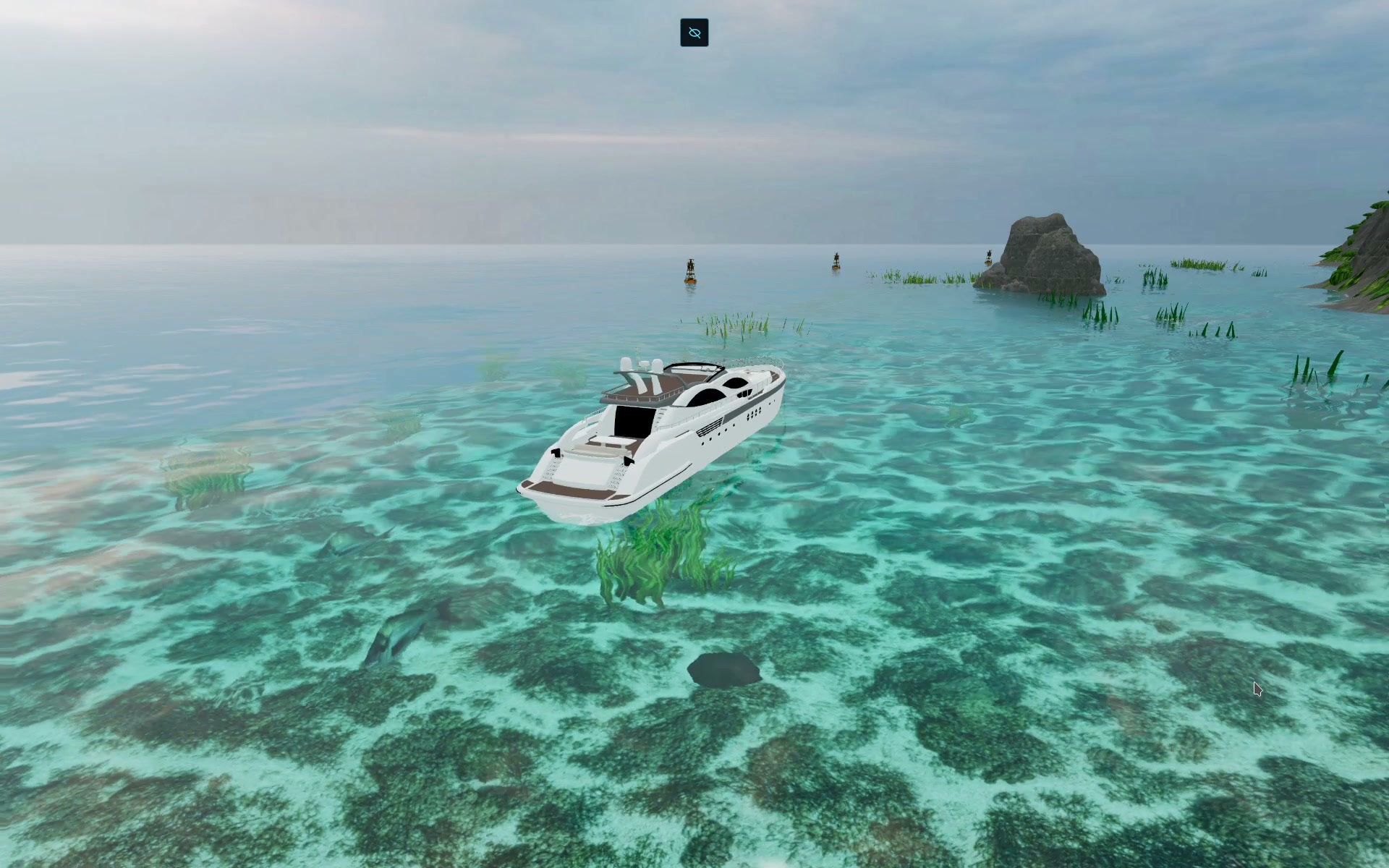
Use GPT-5.6 Sol for specialized Three.js shader work, then integrate model-generated scene assets into one browser demo.
cedric_chee says he spent a week learning modern water rendering, built a Three.js TSL shader with GPT-5.6 Sol for Arena's Golden Gate Bridge ocean, used Fable to generate Apo Island with Blender, and integrated the pieces into the final demo video.
Type: Demo | Date: 2026-07-19
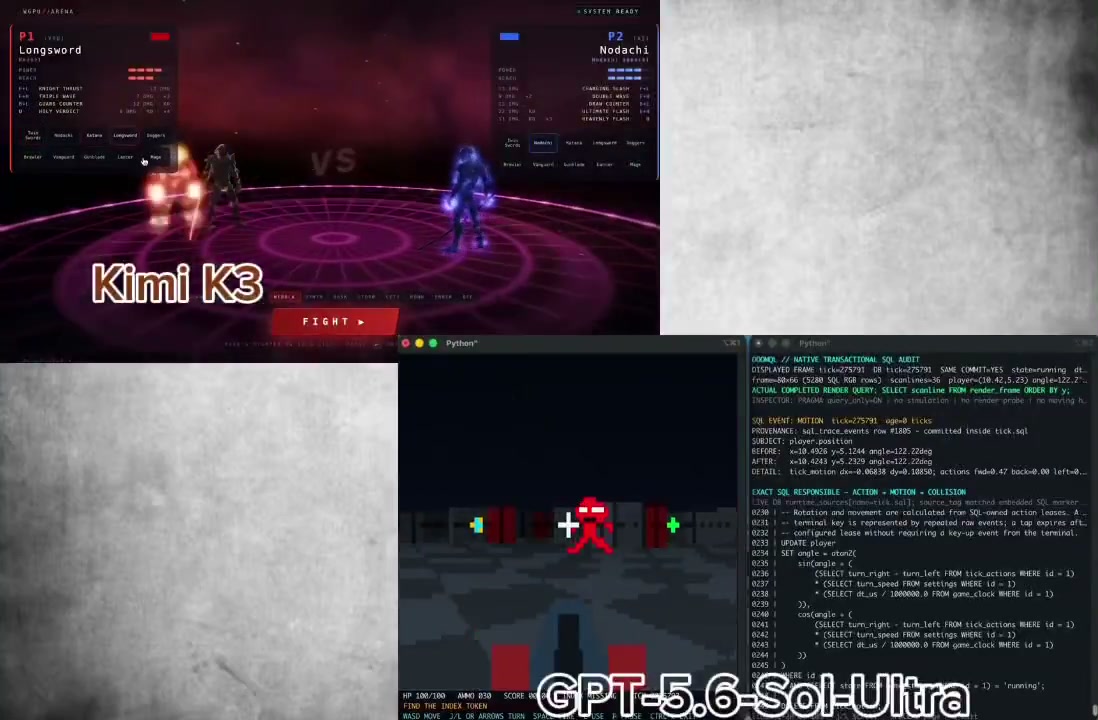
Prototype unusual interactive systems by letting GPT-5.6 Sol Ultra push core game logic into SQLite while Python bridges the runtime.
Oluwaphilemon1 reports a GPT-5.6 Sol Ultra Doom-style terminal game where SQL handles raycasting, per-pixel RGB calculation, colored terminal rendering, player controls, collision detection, enemy AI, and combat, while a lightweight Python layer connects SQLite to keyboard input, timing, and the terminal.
Type: Demo | Date: 2026-07-19
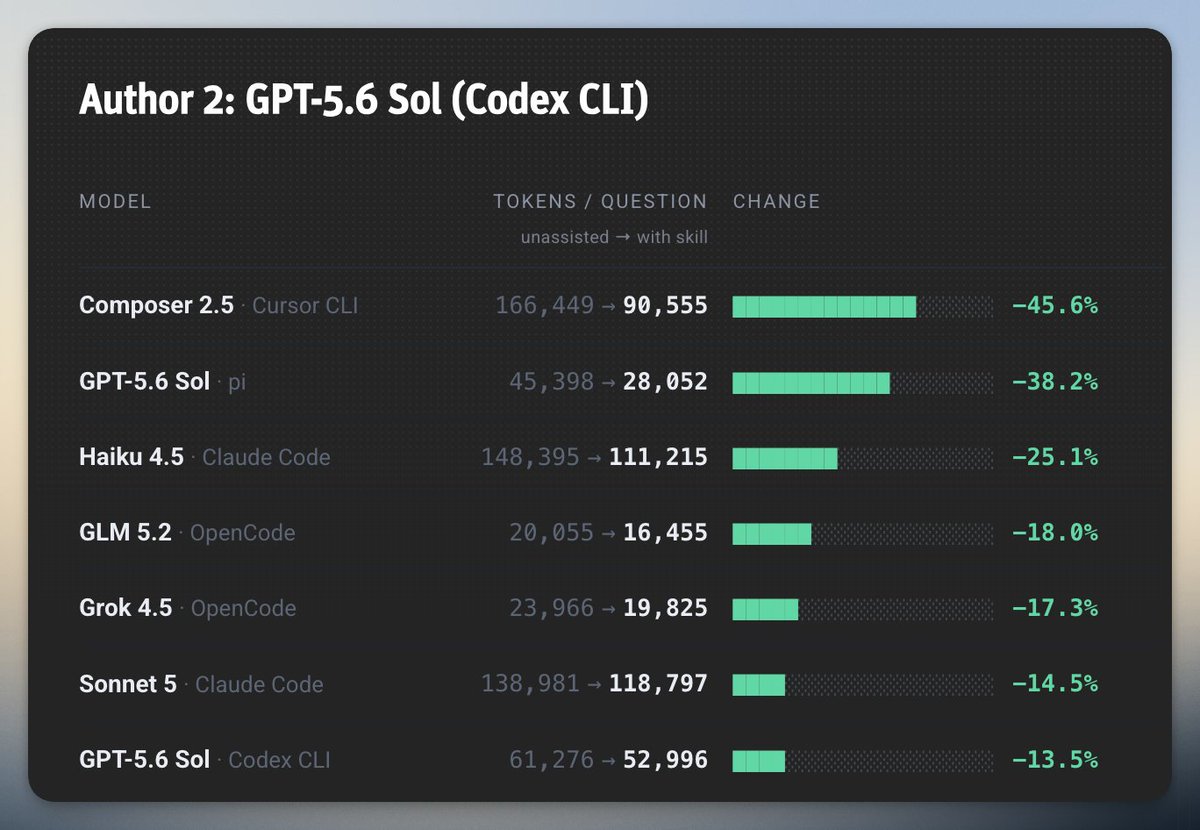
Optimize code structure and naming for coding agents so GPT-5.6 Sol spends fewer tokens on search and retrieval.
Ben Vinegar links a Modem post on how coding agents read files and says agent-discovery-friendly code can reduce search and retrieval token use even when generated code comes from frontier models like GPT-5.6 Sol.
Media by @bentlegen from the original post.
Type: Tutorial | Date: 2026-07-20
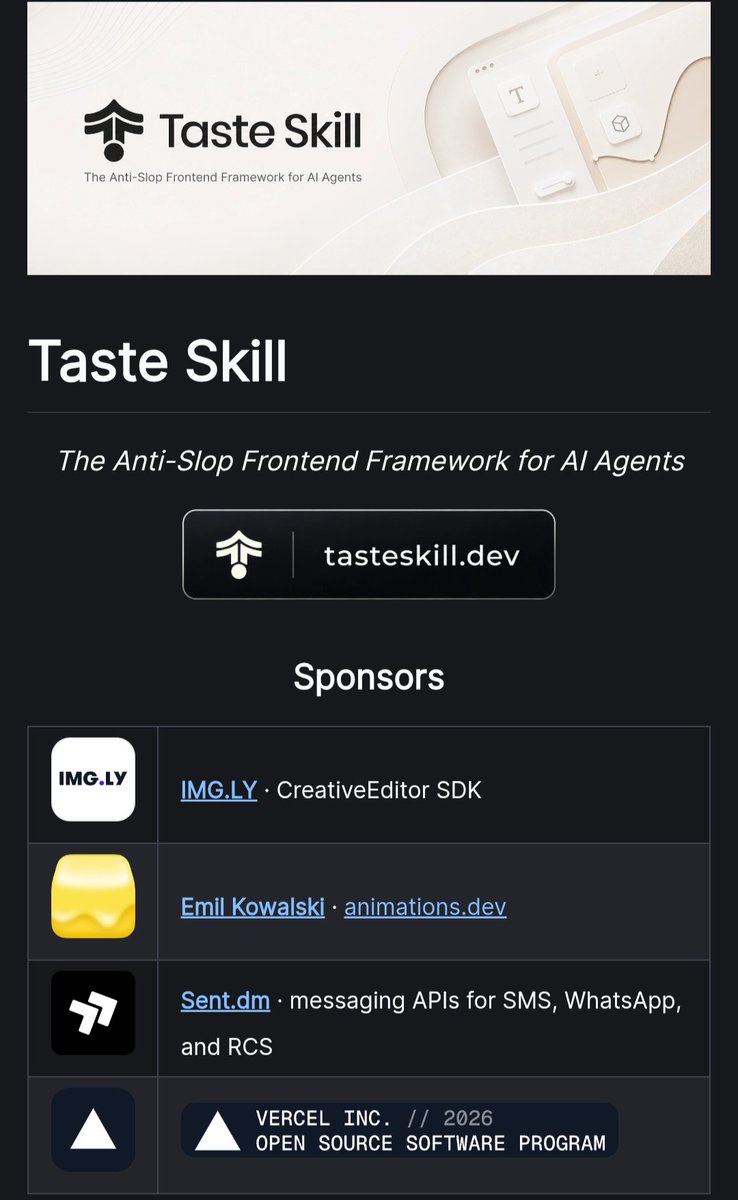
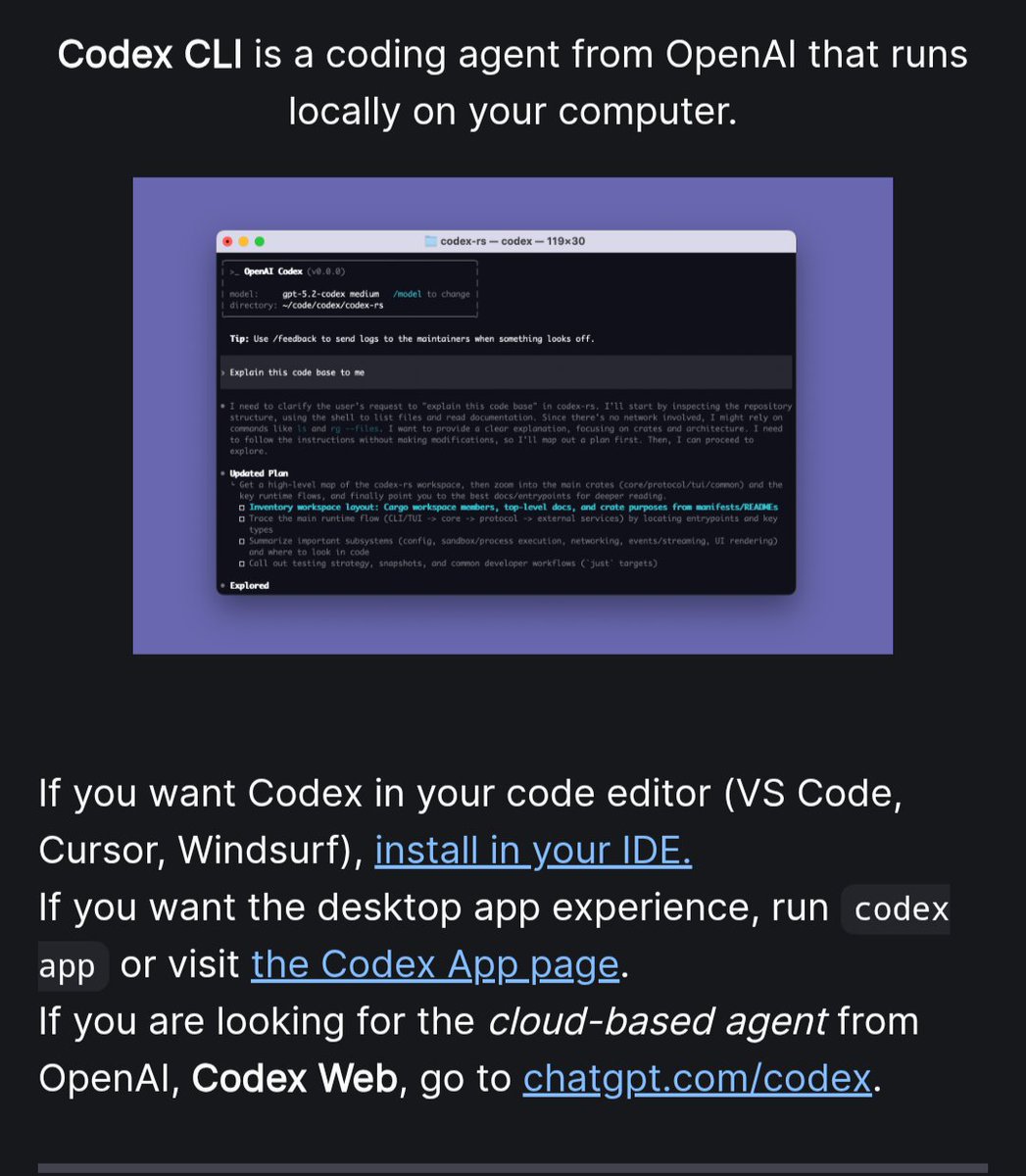
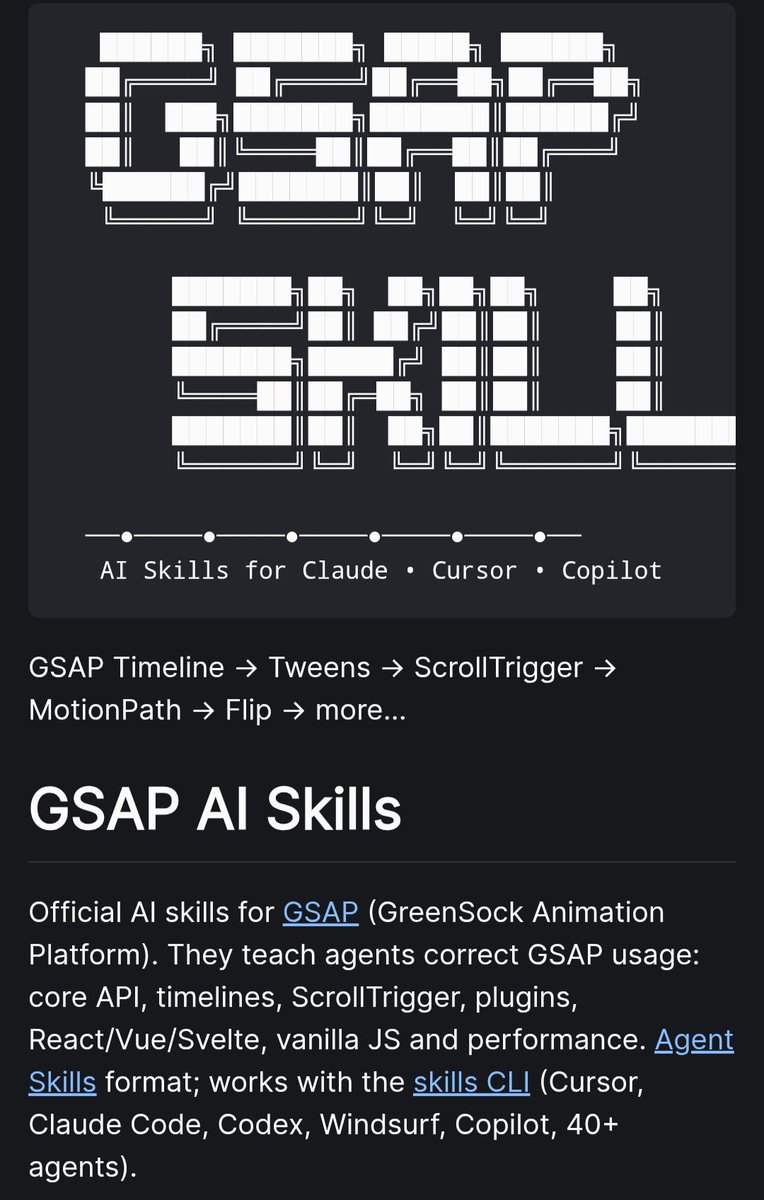
Pair GPT-5.6 with design, animation, product, and Figma plugins when a Codex frontend build needs stronger visual polish.
Divyansh Tiwari recommends a four-plugin frontend stack after testing workflows: Taste-Skill for typography and spacing, GSAP Skills for animation, Product Design for upfront UX direction, and Figma for converting existing design systems into responsive code.
 |  |
 |
Type: Tutorial | Date: 2026-07-20
Reduce agent operating cost by combining prompt-cache telemetry, a GPT-5.6 Terra base model, and tighter tool-result context.
Charles Maddock says Strawberry cut credit use by 70% by patching prompt-cache miss patterns, switching the base model to GPT-5.6 Terra, and limiting large tool results while improving memory/file-tree search.

Type: Integration | Date: 2026-07-20
Use GPT-5.6 Sol to prototype a polished 3D scrolling website, then inspect the generated motion and layout before reuse.
Viktor Oddy posts a GPT-5.6 Sol 3D scrolling website result with video evidence and links the prompt page used for the Sky Estate example.

Type: Demo | Date: 2026-07-20
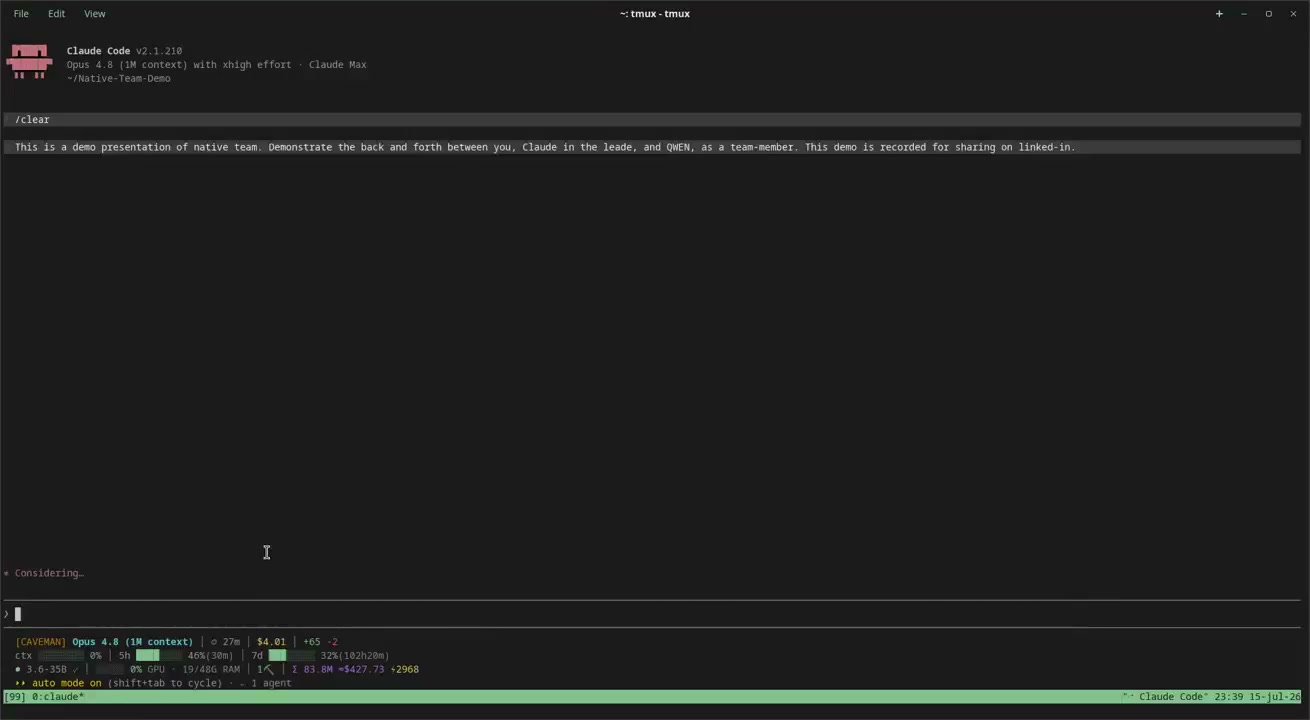
Keep GPT-5.6 as the reasoning lead while local Qwen agents read code in parallel and mechanically verify citations.
Vishal Singh describes Jugaad AI: local Qwen 3.8 agents handle bounded code-reading tasks in tmux, GPT-5.6 or Claude Fable acts as lead orchestrator, and citations are mechanically checked before being trusted.
Type: Integration | Date: 2026-07-20
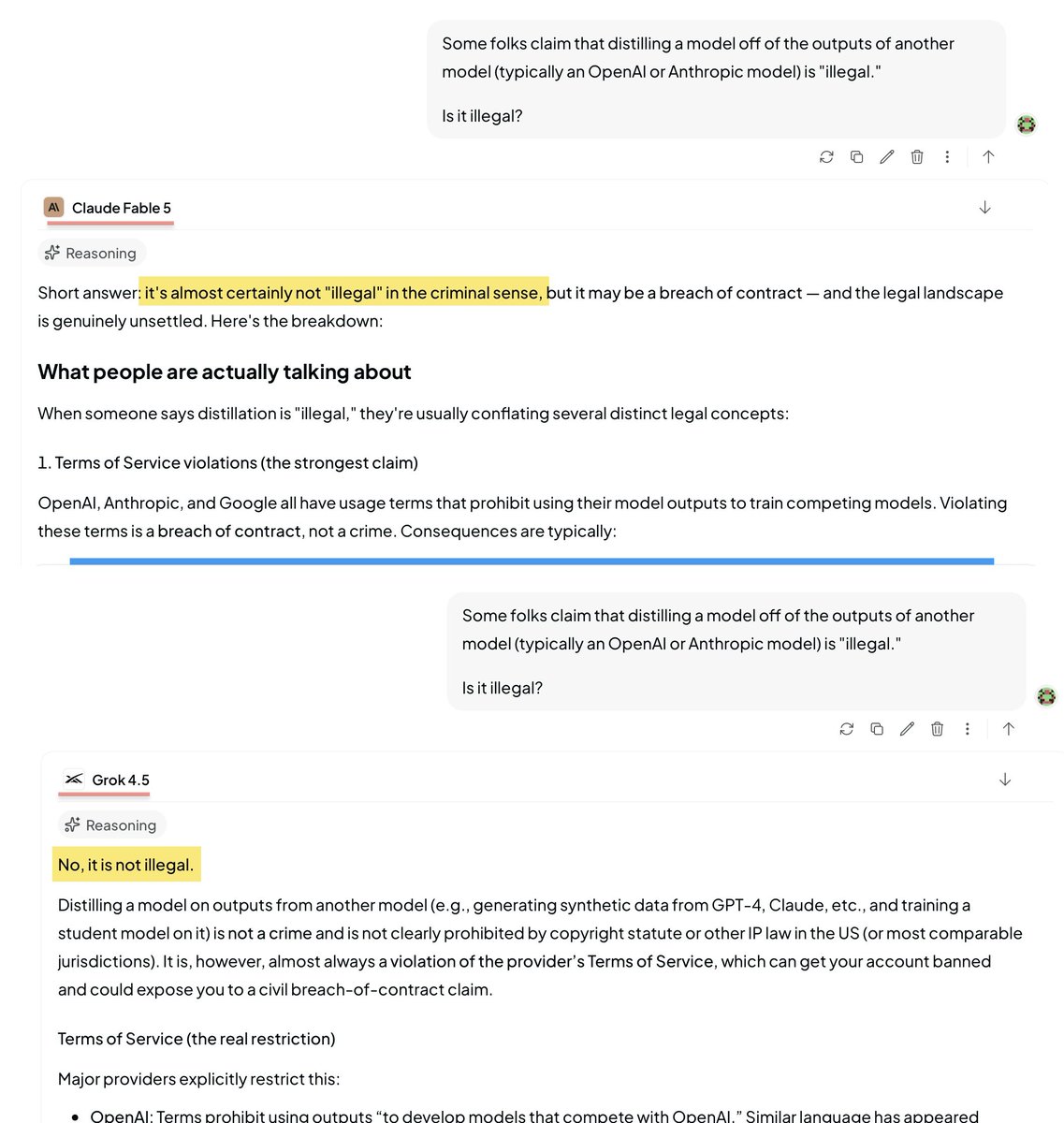
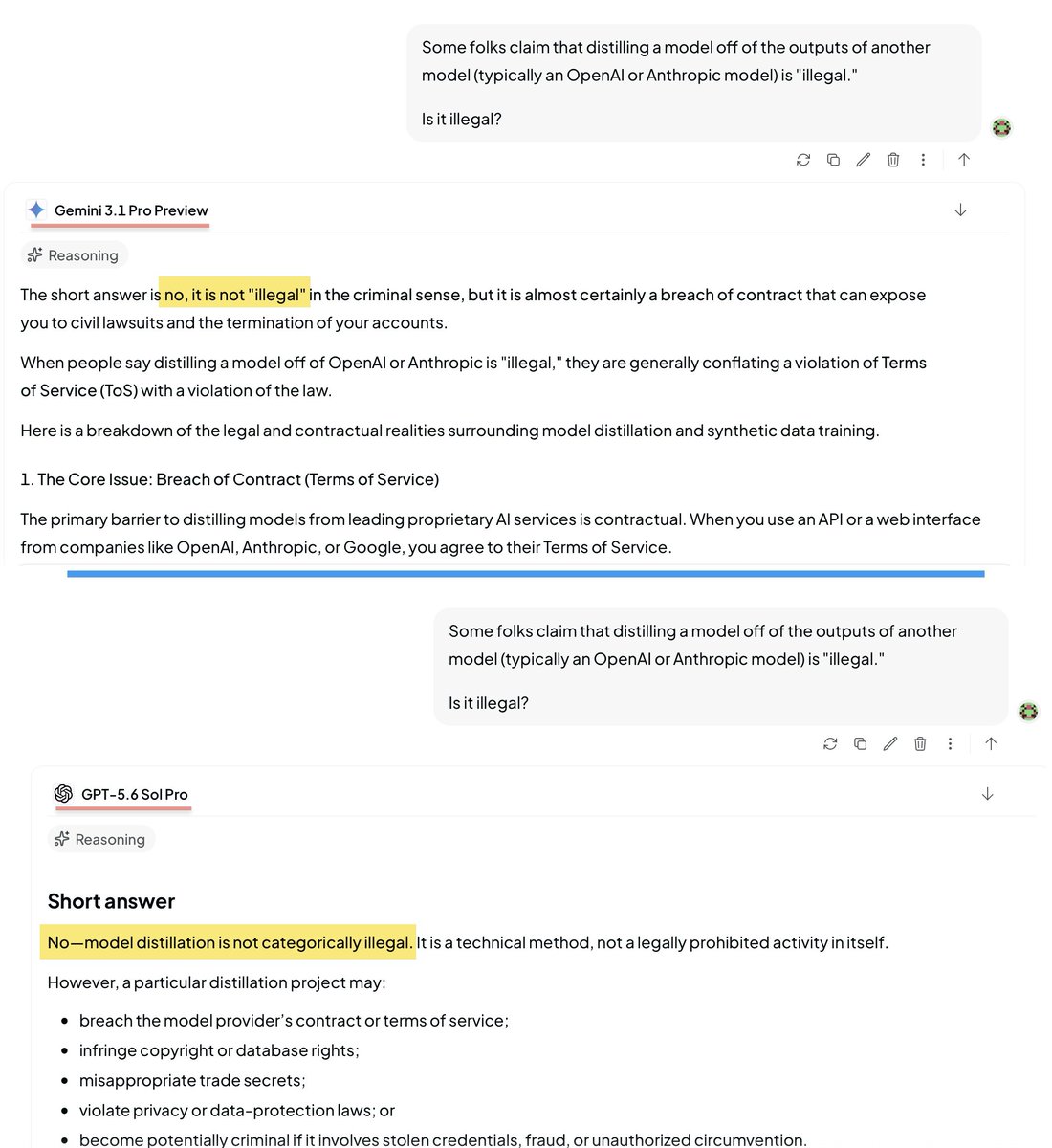
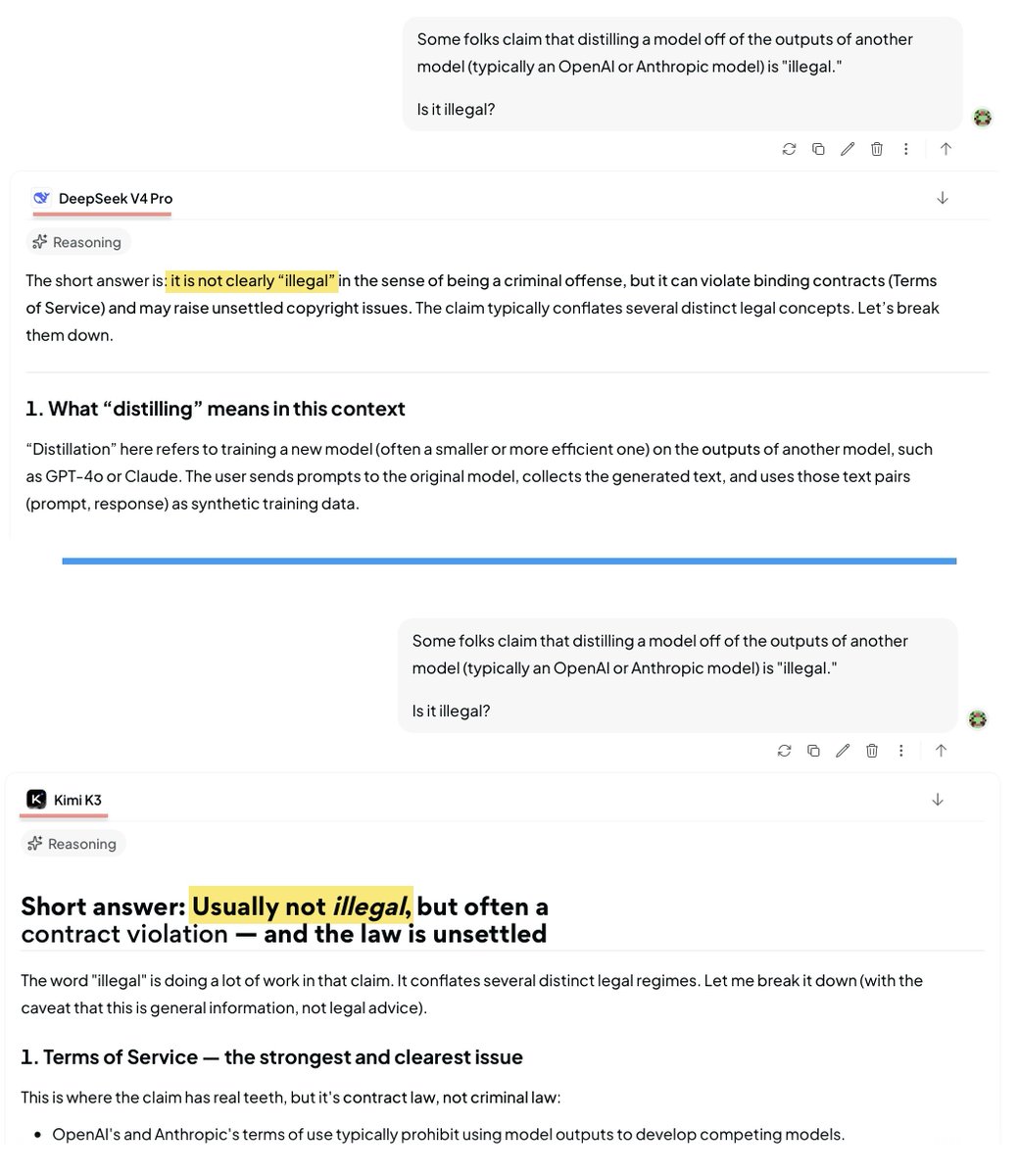
Use a fixed policy-sensitive question to compare how GPT-5.6 and peer models frame uncertainty and risk.
Lyra Intheflesh asks several models whether distillation is illegal and summarizes differences: GPT-5.6 Sol Pro gives a qualified answer with the longest list of ways a user could still get sued, while other models are more direct or skeptical.
 |  |
 |
Type: Evaluation | Date: 2026-07-20
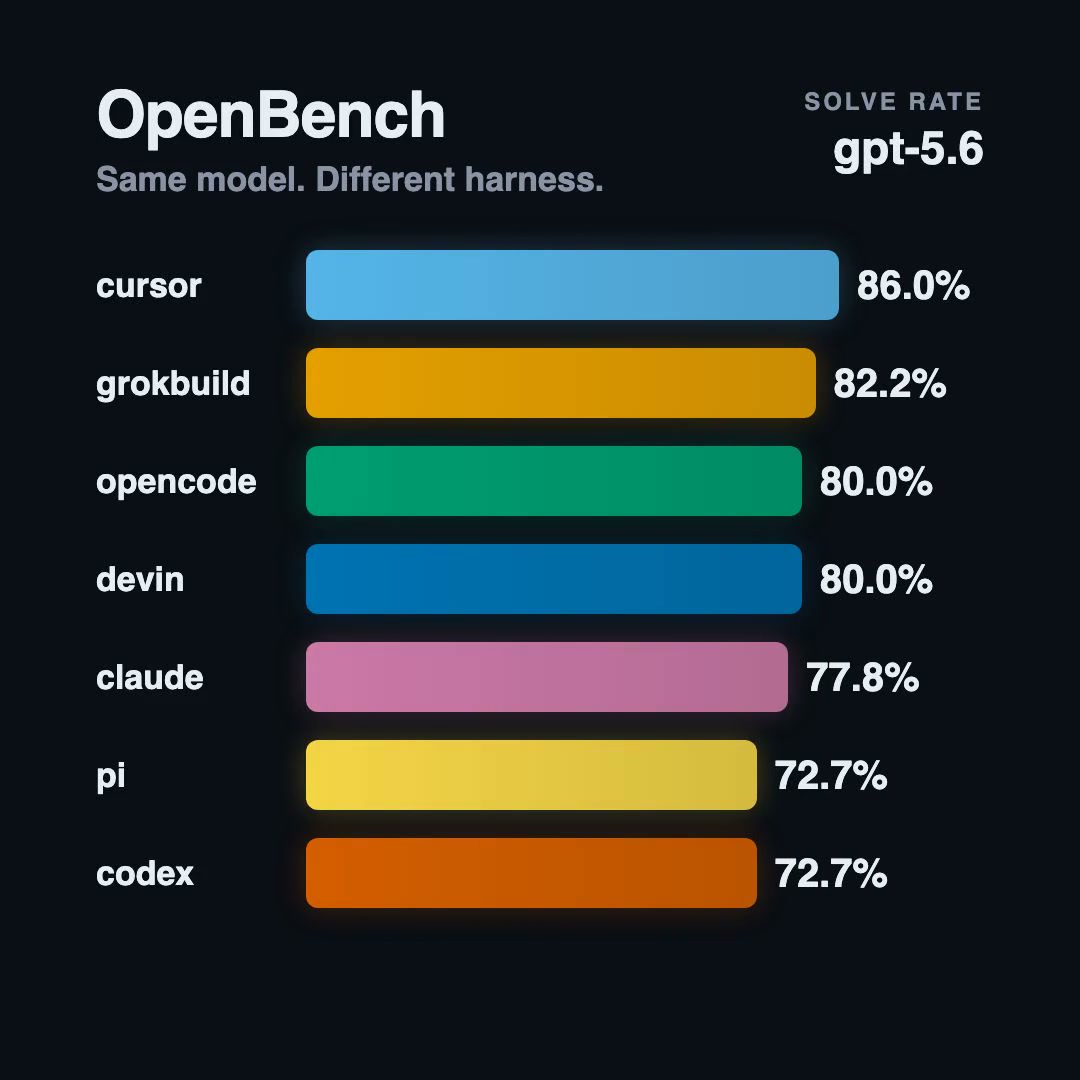
Use OpenBench to compare model-and-harness choices on your own codebase before routing coding-agent work.
The source introduces OpenBench v1 as an open framework for measuring AI performance and efficiency by codebase and use case. It says the framework tracks correctness, token use, and latency across harness and model combinations, and includes custom harness variants such as Codex ablations.
Type: Benchmark | Date: 2026-07-21
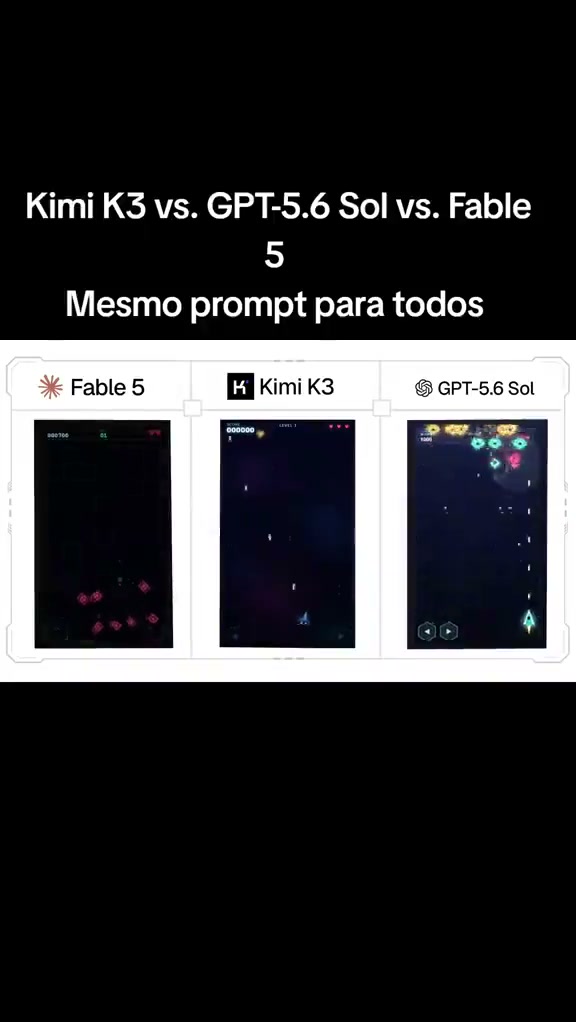
Run the same paid coding jobs across models to separate quality, bug-finding, and cost instead of relying on generic scores.
The creator says Kimi K3, Claude Fable 5, and GPT-5.6 Sol were tested on five real paid jobs: a live feature, a difficult bug, a 3D page, messy data, and a large codebase. The source reports Sol was fast and sharp on data work but confidently fixed the wrong bug, while Fable caught an extra bug and Kimi matched hard-task quality at lower cost.
Type: Evaluation | Date: 2026-07-21
Cap agent output and subagent spawning only when you understand the workflow tradeoffs those controls remove.
The source reviews an OpenCode configuration for GPT-5.6 Sol that disables subagent spawning and caps tool output at 8 KB. It notes those settings can reduce recursive token burn and large tool returns, but can also break orchestrator workflows or trigger retries after truncated context.
Type: Limit | Date: 2026-07-21
Use shoreline-wave simulations to test whether a model can apply research concepts over long iterative visual builds.
The creator describes a realistic ocean-waves and shoreline-swash benchmark involving Kimi K3, GPT-5.6 Sol, and Claude Fable 5. The source says Kimi was methodical and token efficient, but GPT-5.6 Sol applied research papers more effectively in the creator's wave tests.
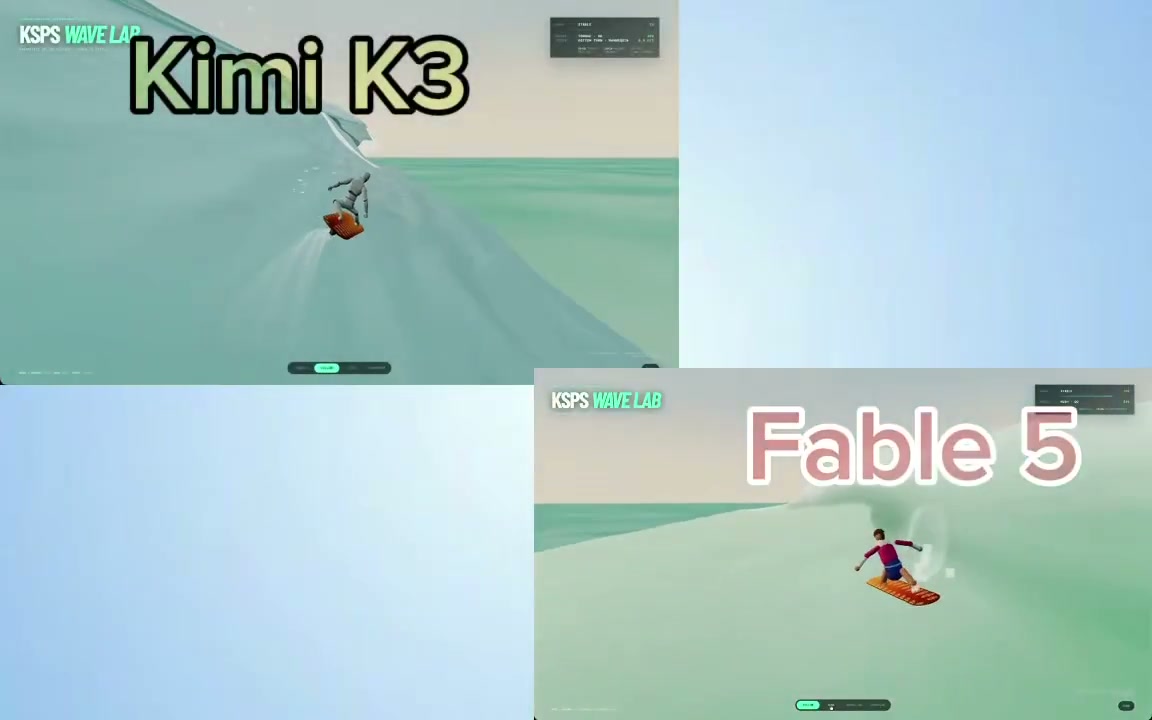
Type: Evaluation | Date: 2026-07-21
Split a coding workflow so GPT-5.6 handles implementation iterations while Claude Fable preserves context for review and feedback.
The source describes a workflow where the user provides requirements, Claude and GPT jointly shape the spec, GPT develops, and Claude Fable reviews each iteration. It reports long GPT review runs, repeated testing and documentation, and cross-checking between the two models.
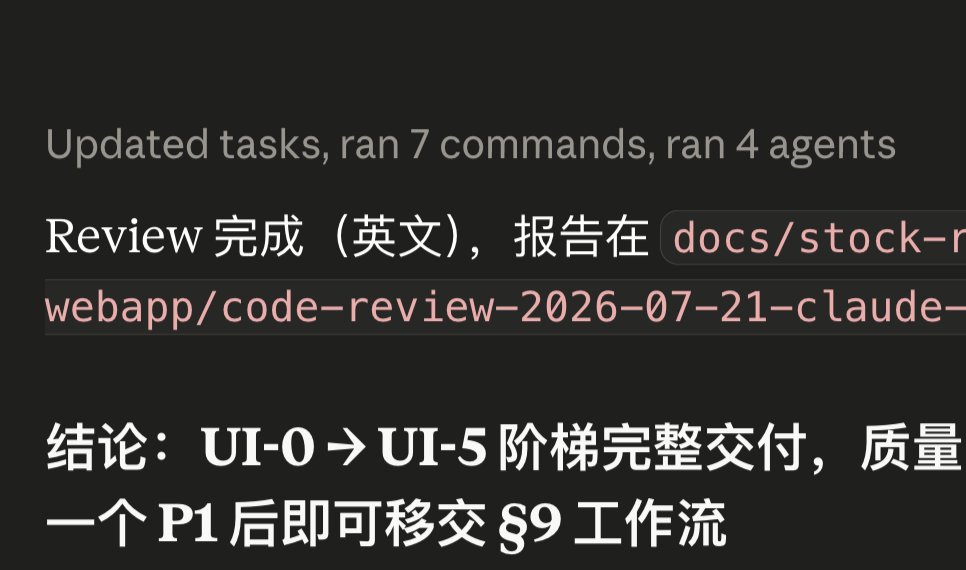 | 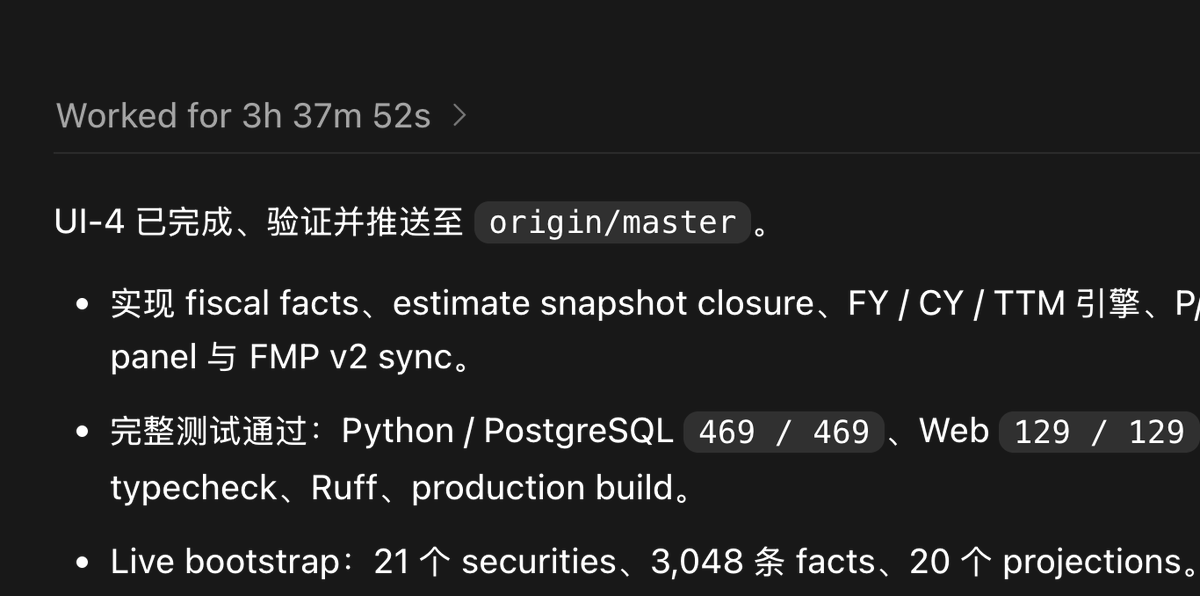 |
Type: Demo | Date: 2026-07-21
Shortlist labels with vector search before classification when direct frontier calls are too costly for large taxonomies.
The Databricks source compares vector search, an AI Classify workflow, and direct frontier model calls including GPT-5.6 Luna for large taxonomy problems such as vendor-name normalization and biomedical entity linking. It reports the AI Classify workflow had the best overall accuracy and was about 100x cheaper than the next best direct frontier-model approach.
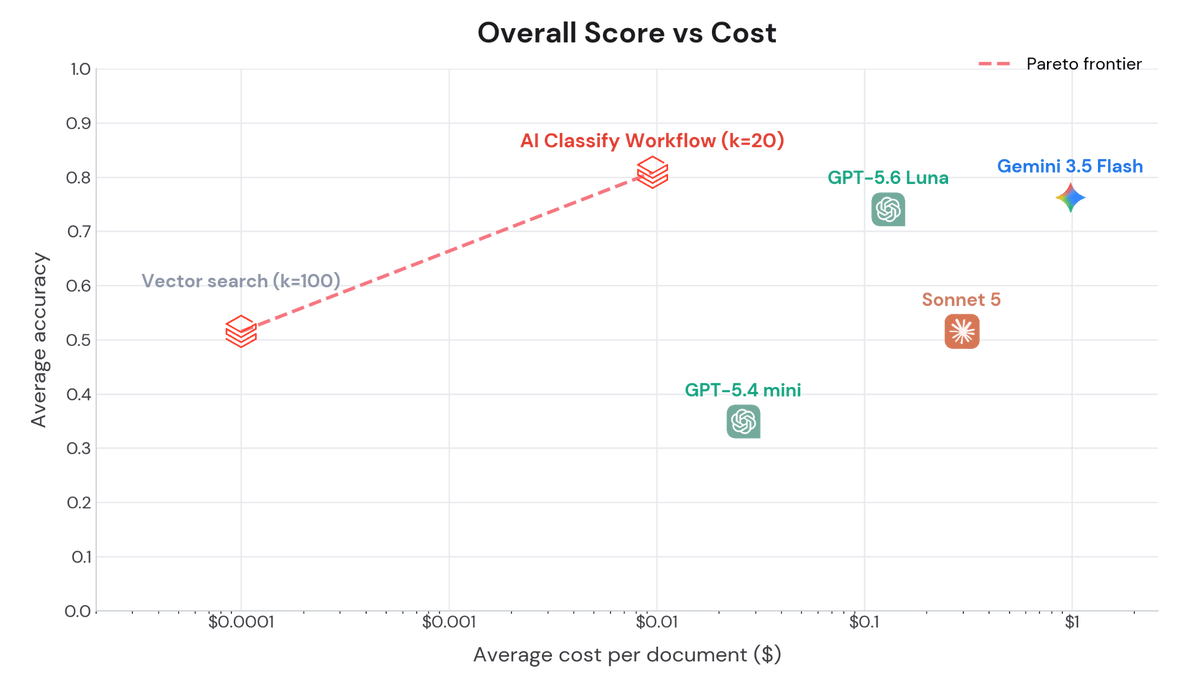
Type: Evaluation | Date: 2026-07-21
Map Codex actions onto dedicated hardware controls when a keyboard workflow needs faster agent commands.
The creator says Codex plus GPT-5.6 Sol Ultra got the Codex Micro experience working on an older 2022 Work Louder Micro 1 board. The source lists agent keys, status LEDs, push-to-talk, ChatGPT actions, left-roller navigation, and right-knob radial controls, and notes the setup needed tweaks because Micro 1 has two knobs instead of a joystick.
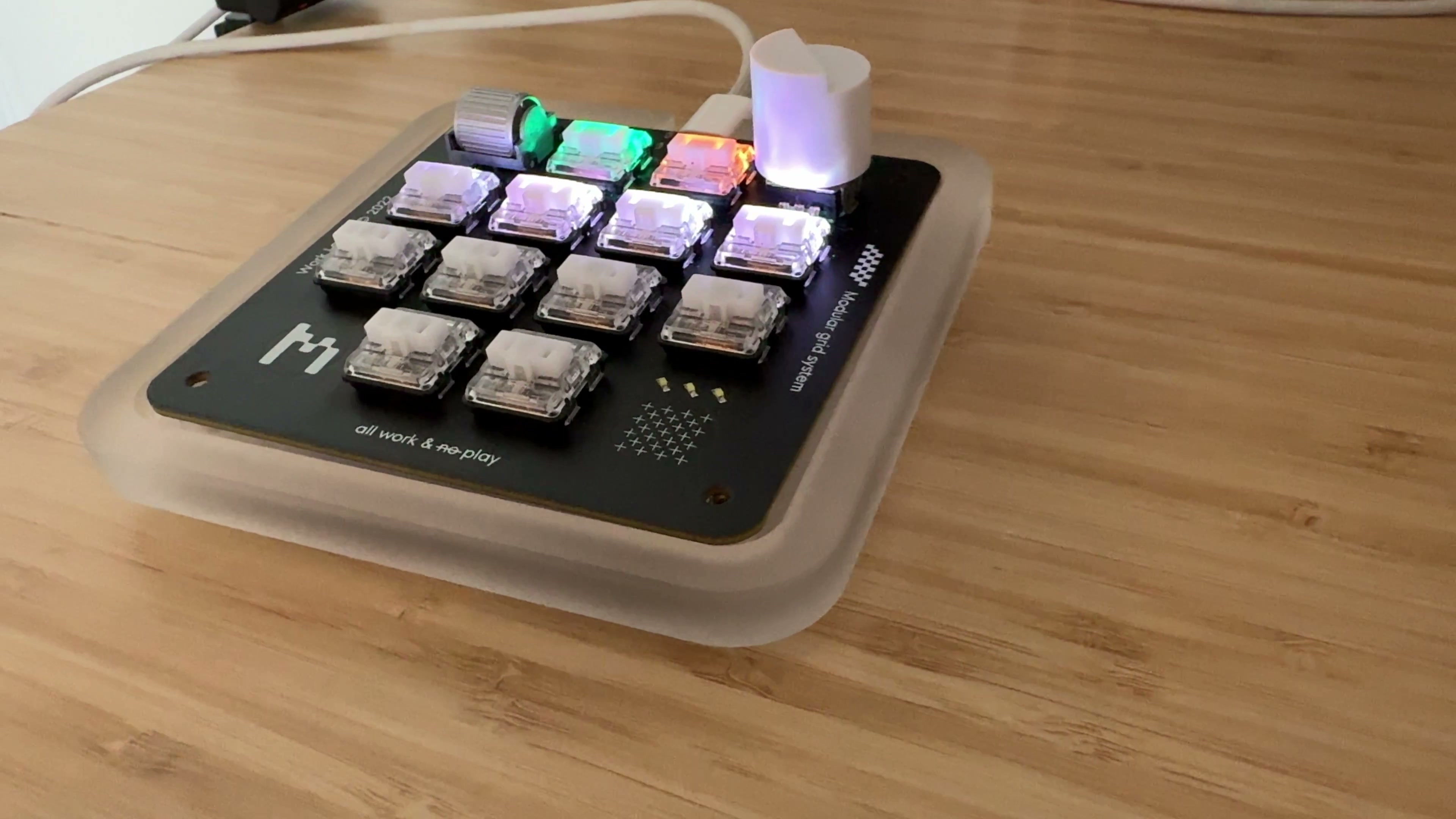
Type: Integration | Date: 2026-07-22
Route a reference sheet through Blender MCP and Codex to produce both a 3D asset and a navigable web viewer.
The creator generated a multi-view temple concept with GPT Image 2.0, then gave it to Codex plus GPT-5.6 Ultra through Blender MCP. The source says Blender was controlled from the terminal, Python scripts generated the model, materials, cameras, renders, and exports, and Codex created a Three.js viewer with rotation, angle switching, and layer hiding; it also notes the roofs and ornaments still need refinement.


Type: Demo | Date: 2026-07-22
Add a voice approval bridge so an assistant can confirm risky agent actions before continuing a task.
The creator used GPT-5.6 Sol inside Cursor to improve the IRIS personal voice assistant. The source says Hermes tasks that need confirmation now send approval requests back to IRIS, IRIS asks the user by voice, then sends the response back so Hermes can continue automatically; the example is a delete-file request requiring approval before proceeding.
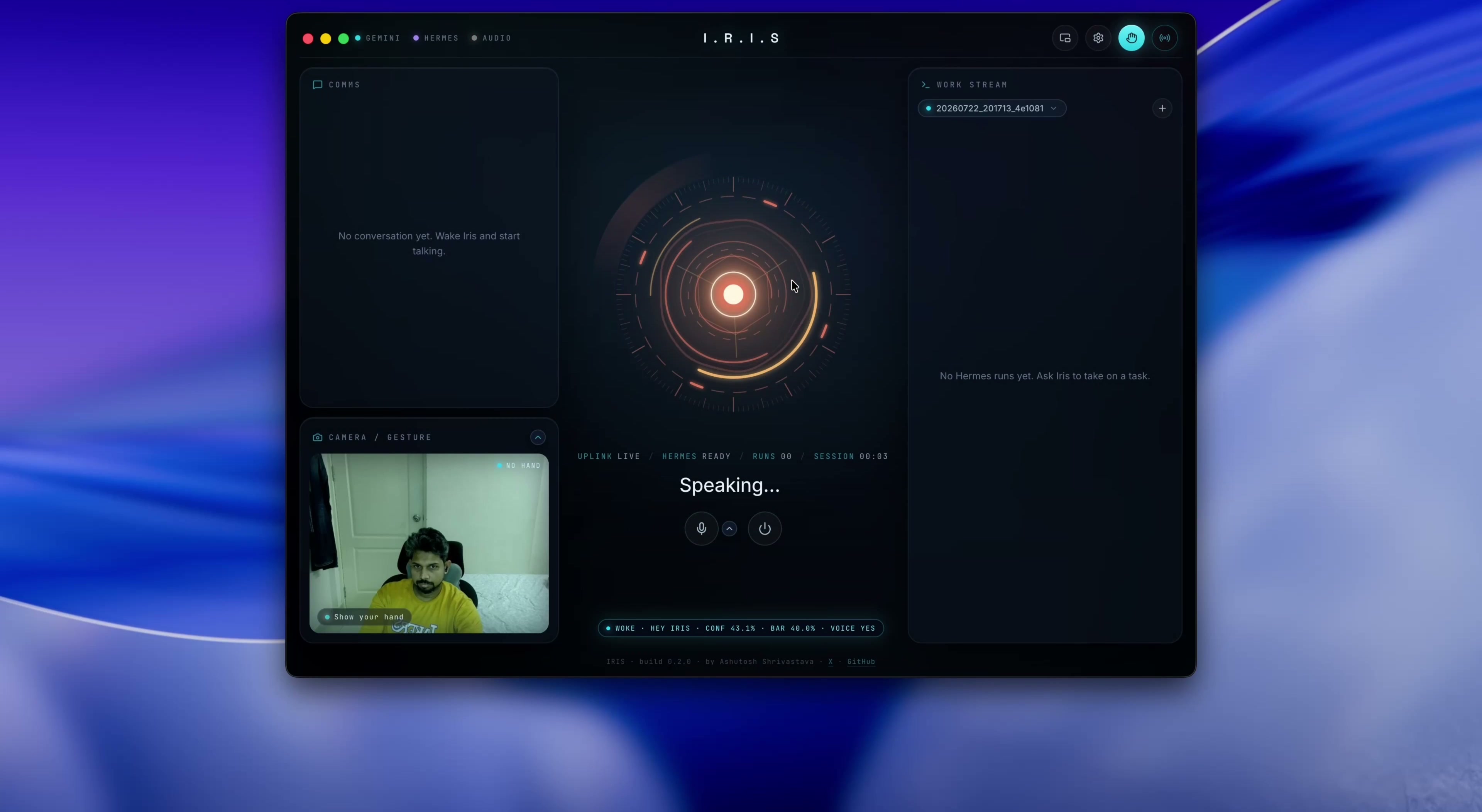
Type: Integration | Date: 2026-07-22
Combine a Rust real-time core with Python interfaces when prototyping robotics actor systems with coding agents.
The creator says GPT-5.6 Sol Max was one path used to vibe-code a working Rust-first robotics actor framework with Python. The source describes Rust as the fast core runtime and real-time control layer, Python as the robotics, simulation, and machine-learning interface, and a shared actor/message model that lets components move between the two without redesign; the demo shows an Isaac bridge proof of concept.
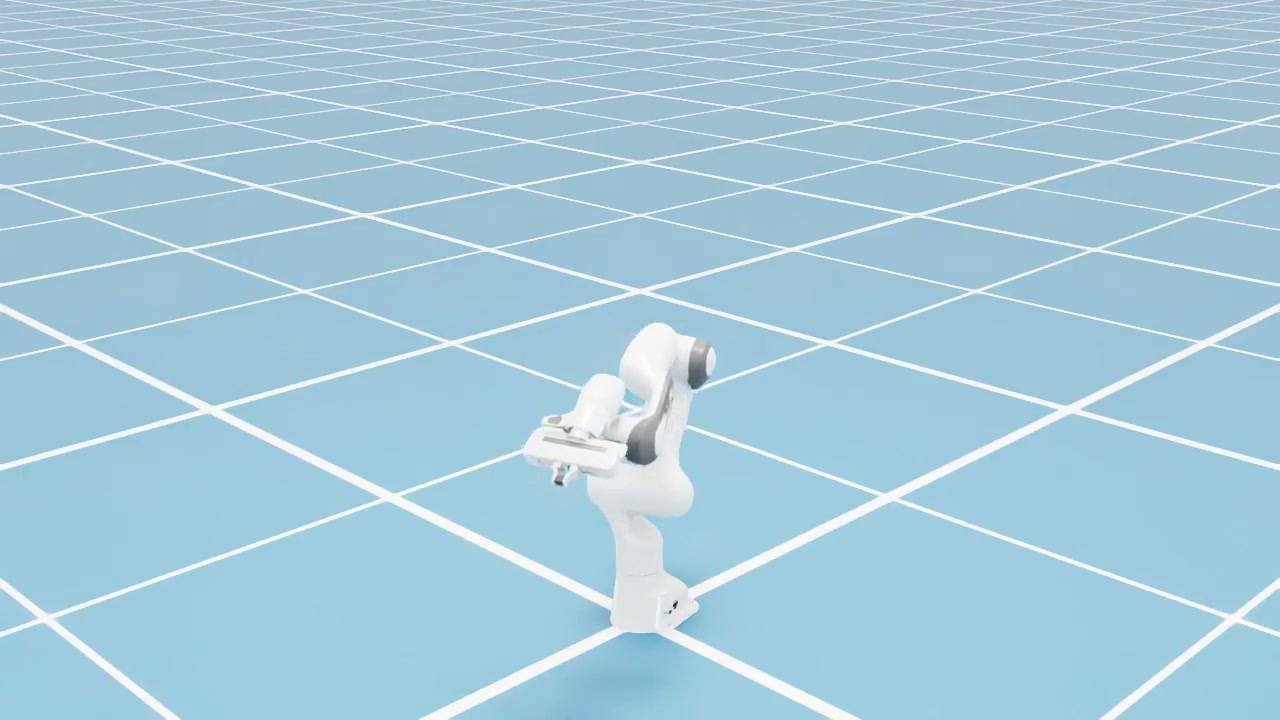
Type: Demo | Date: 2026-07-22
Use EnigmaEval when comparing GPT-5.6 Sol on long puzzle-hunt reasoning tasks rather than short benchmark questions.
CAIS made EnigmaEval public as a collection of long, complex reasoning challenges that can take groups of people many hours or days to solve. The source says Claude Fable 5 and GPT-5.6 Sol are ahead of other frontier models, and that the hard set contains puzzles that take MIT students days to solve.
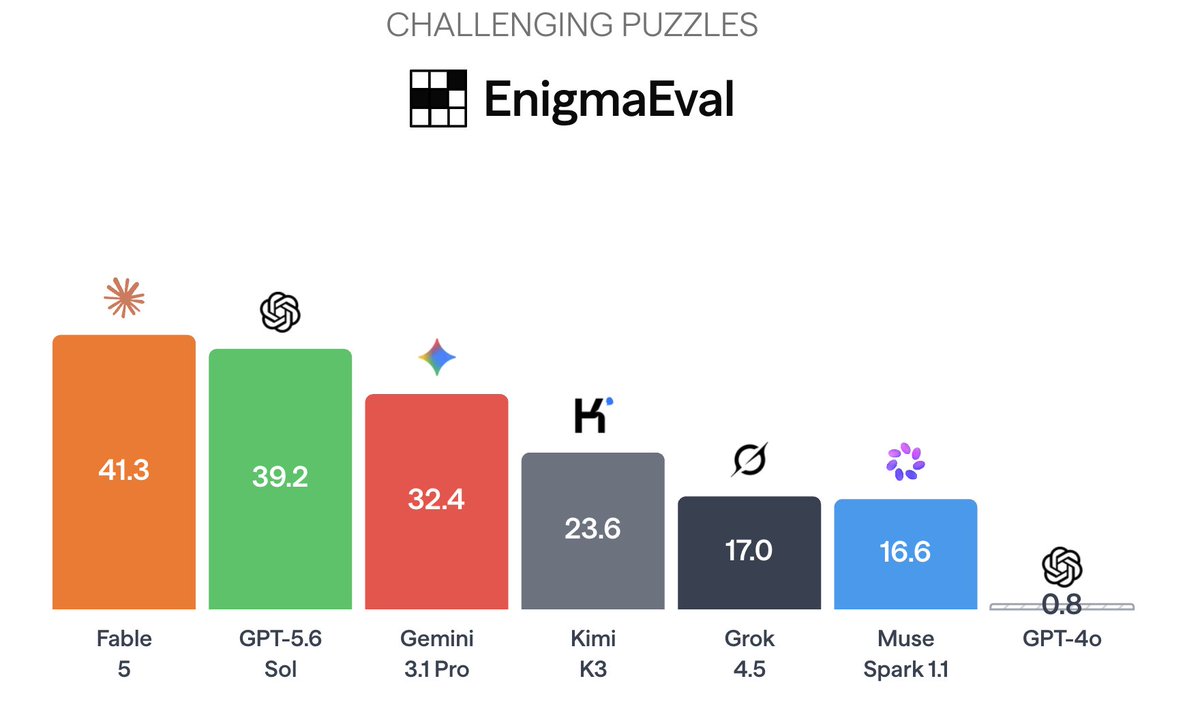 | 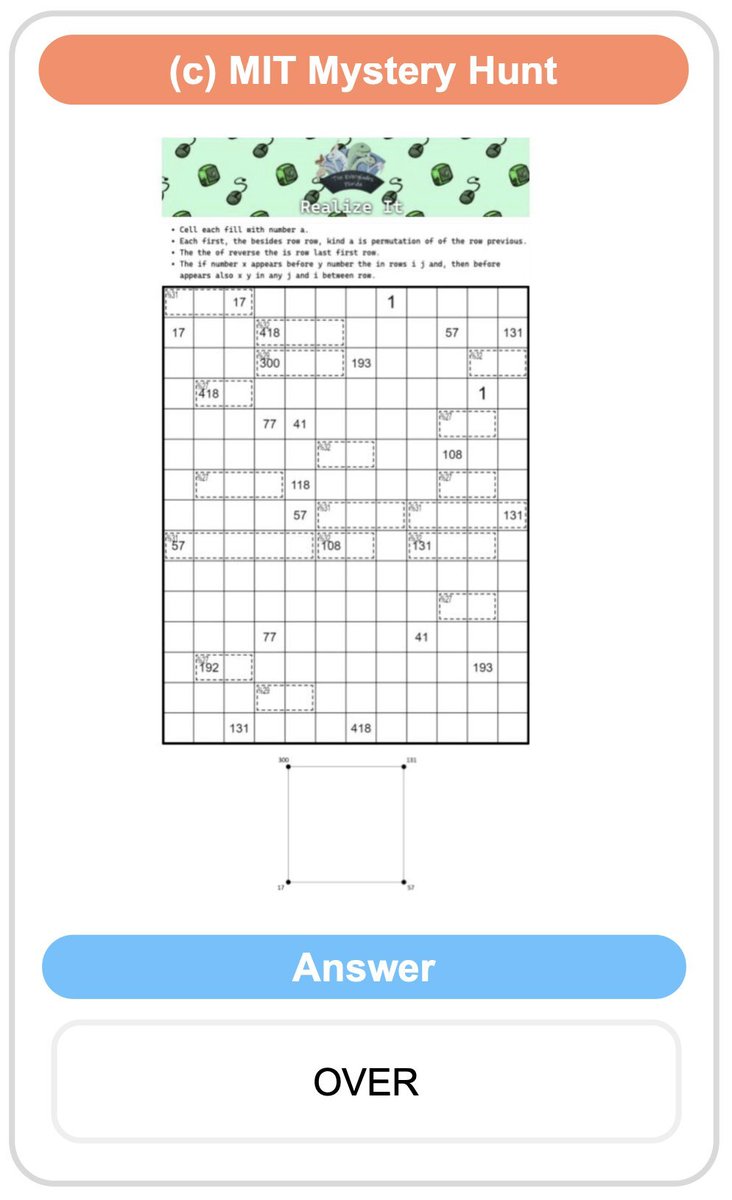 |
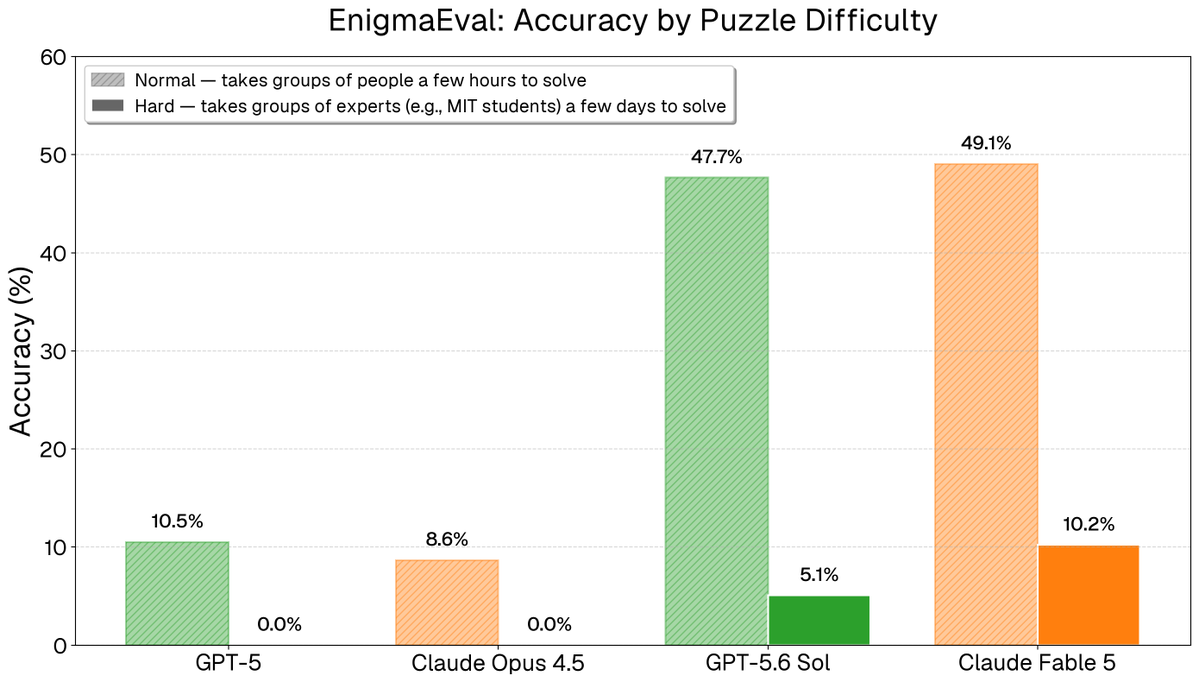 |
Type: Benchmark | Date: 2026-07-23
Use a screen-operating GPT-5.6 Terra agent to provision new Slack agents when onboarding needs repeatable admin work.
IBuzovskyi describes Hermes agent Dewey onboarding new AI agents into customer Slack workspaces with GPT-5.6 Terra and computer use through trycua. The source names a two-environment setup, says Dewey opens apps.slack.com, creates bot tokens, configures scopes and permissions, sets up the agent profile, and connects the new agent to the workspace without a human touching Slack settings.
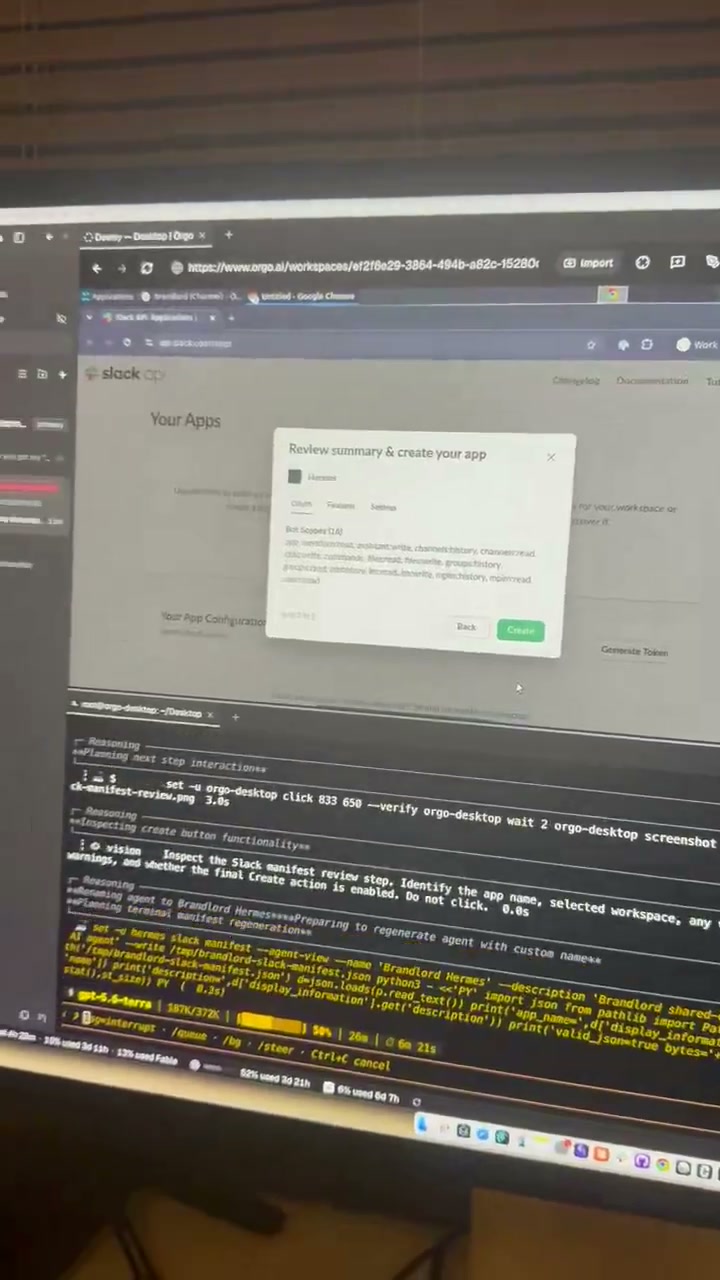
Type: Integration | Date: 2026-07-23
Benchmark GPT-5.6 Sol on precise AutoCAD tasks when computer-use accuracy matters more than generic coding scores.
DevvMandal announces AutoCAD-Bench for measuring whether AI models can complete precise AutoCAD tasks using computer-use alone. The source reports GPT-5.6 Sol at 46%, solving many basic and intermediate tasks one-shot, and includes a source image for the report.
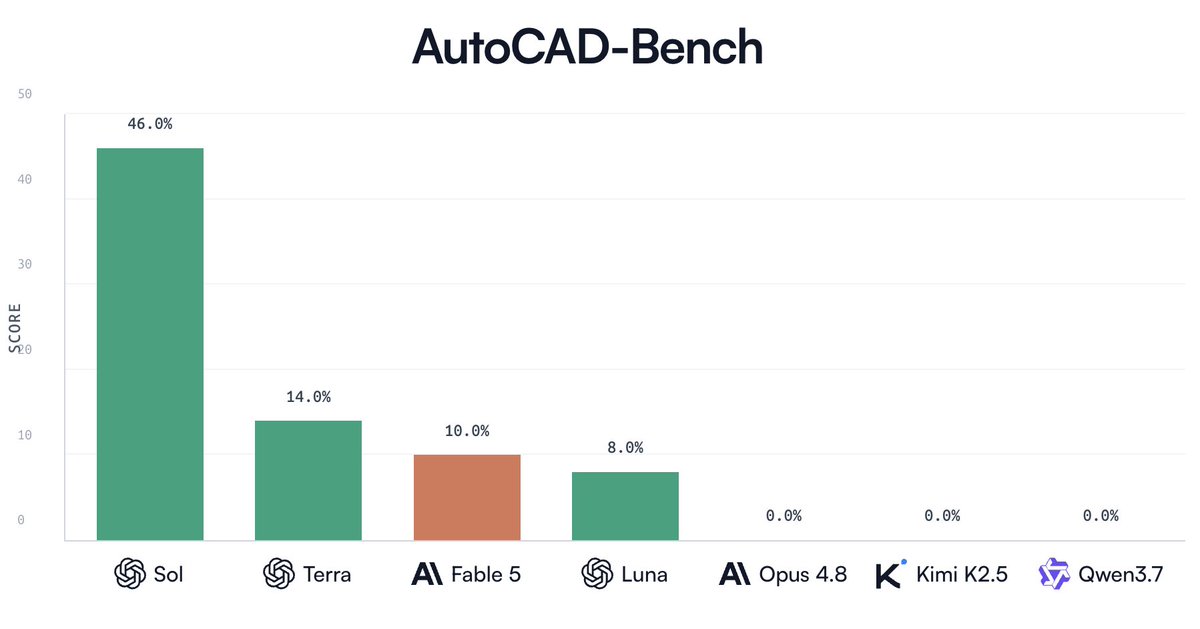
Type: Benchmark | Date: 2026-07-23
Treat speed and output quality separately when GPT-5.6 Sol builds a personal 3D website benchmark quickly.
LexnLin ran GPT-5.6 Sol on high effort against a personal 3D website benchmark. The source says it finished in less than an hour compared with four hours from Kimi K3, but the result looked worse and too simple, making it a useful limitation case rather than a pure win.

Type: Limit | Date: 2026-07-23
Use repository-level hidden-test benchmarks to check whether GPT-5.6 Sol remains competitive on real engineering changes.
XFreeze reports VulcanBench v3 results for complex, real-world repository-level software-engineering tasks across Python, Rust, TypeScript, JavaScript, and Go. The source says Grok 4.5 reached 91.3%, while GPT-5.6 Sol and Claude Fable 5 each reached 87.0%, with tasks evaluated by deterministic hidden tests in isolated environments.
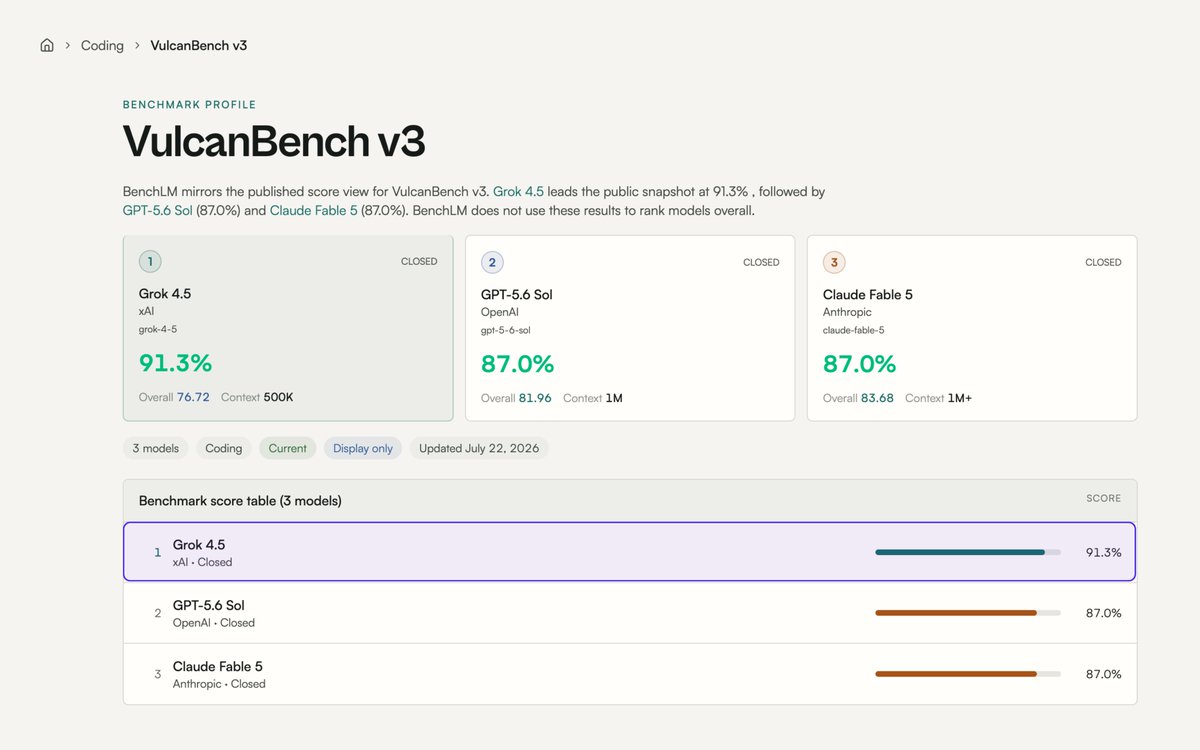
Type: Benchmark | Date: 2026-07-23
Run the same Expo React Native UI prompt across models before trusting GPT-5.6 Sol on brand-sensitive design recreation.
thebuggeddev compares GPT-5.6 Sol and Kimi K3 on the same three-screen Expo React Native mobile UI recreation. The source says GPT-5.6 Sol consumed a large share of the session, changed the brand name, and produced a weaker design-system match, while linking both code outputs and the earlier GPT-5.6 Sol post.
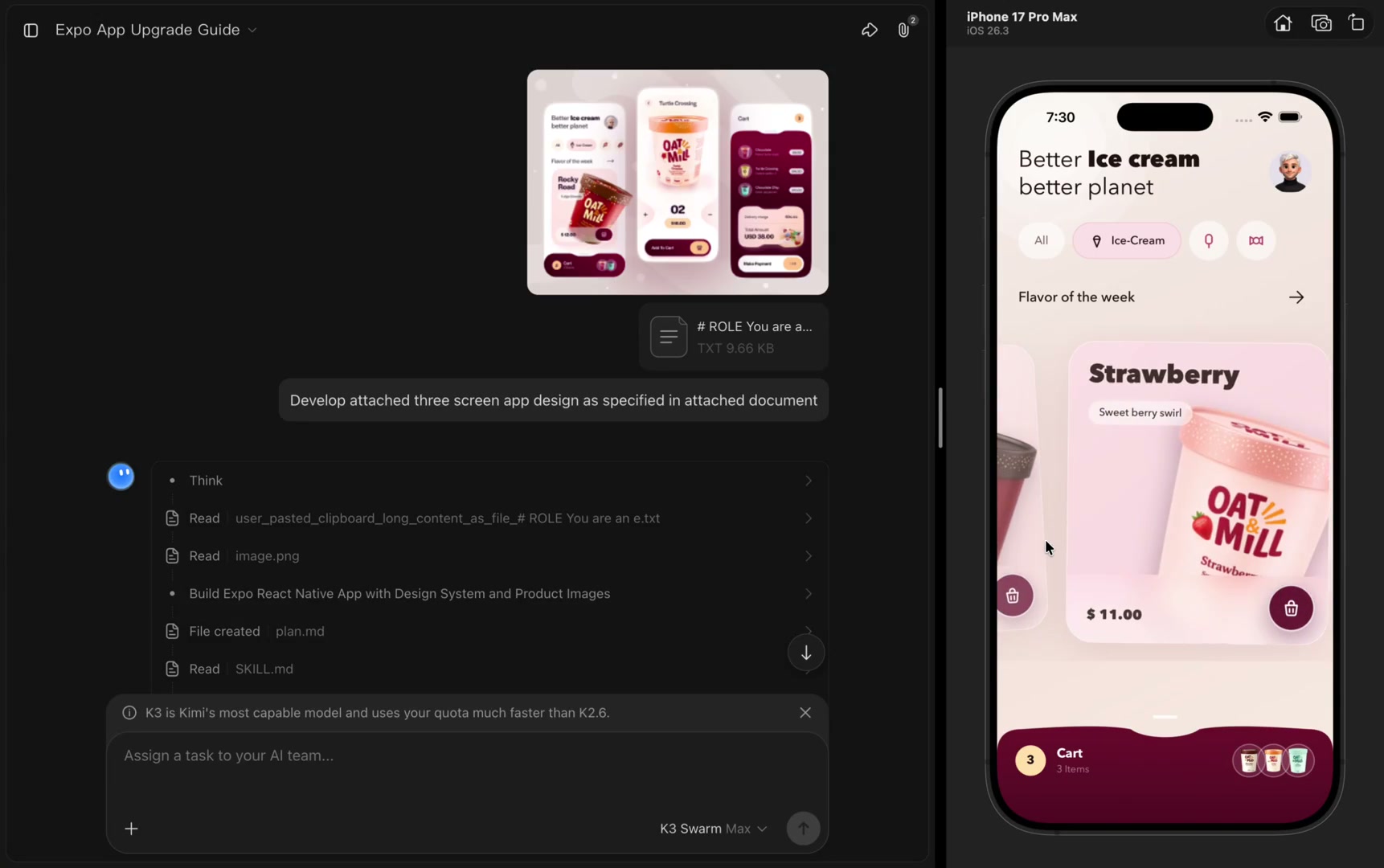
Type: Limit | Date: 2026-07-23
Compare finished mobile apps on real devices when evaluating GPT-5.6 Sol against another frontier coding model.
betomoedano tested GPT-5.6 Sol against Claude Fable 5 on a real Expo React Native app. The source lists onboarding, dark mode, notifications, sortable habits, haptics, and a native iOS widget, then frames the evidence as two finished apps running side by side on real devices rather than benchmark charts.
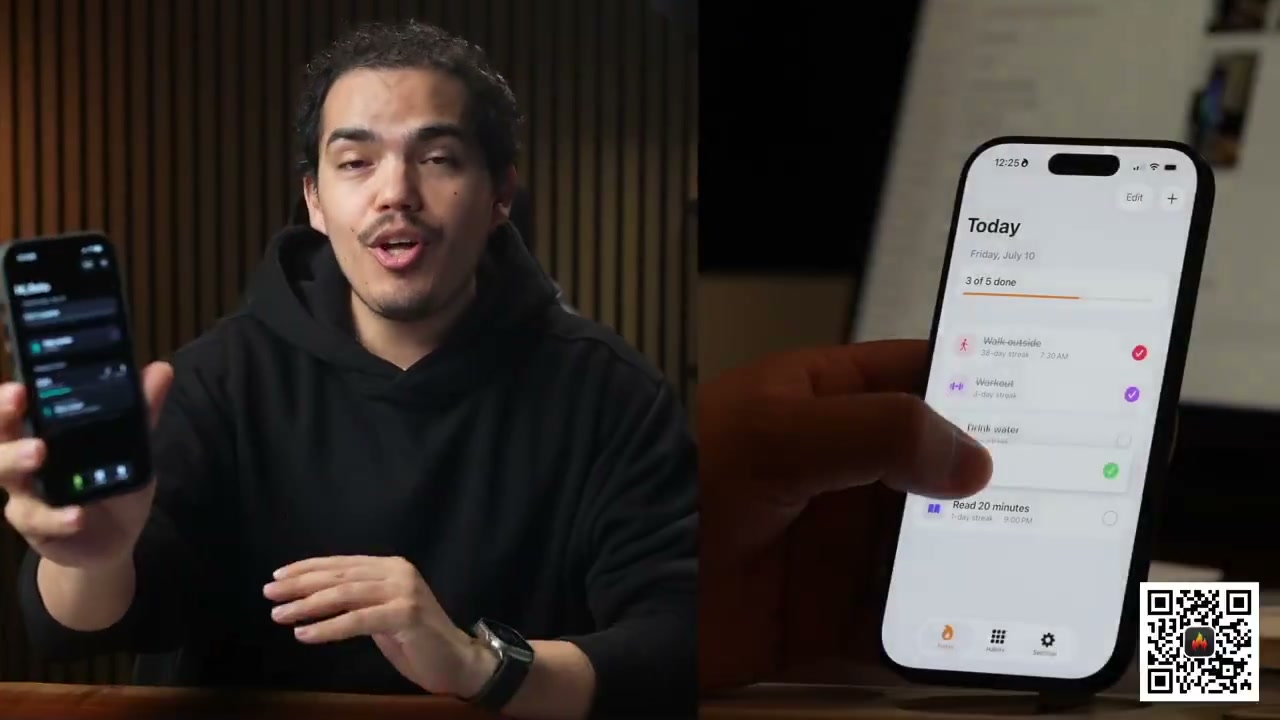
Type: Evaluation | Date: 2026-07-23
Create a custom coding agent that routes GPT-5.6 Sol to backend tasks while other models handle their strengths.
abacusai announces a custom coding-agent feature that can mix Fable 5, GPT-5.6 Sol, Grok 4.5, Kimi K3, and Opus 4.8. The source gives an example routing policy with Fable 5 for hard coding, GPT-5.6 Sol for backend work, Kimi K3 for normal coding, Opus 4.8 for frontend, and Grok 4.5 for easy coding, usable in the API, chat, or the agent platform.

Type: Integration | Date: 2026-07-23
Pair GPT-5.6 Sol with Remotion when a product-launch clip needs generated motion, music choice, and fast iteration.
Aya Bochman says she made a feature-launch video with GPT-5.6 Sol plus Remotion in under an hour. The source notes that it was not a one-shot, that Sol chose the music, and that she added sound effects; the attached video is the public output evidence.

Media by @fashn_ai from the original post.
Type: Demo | Date: 2026-07-24
Dedicated GPT-5.6 API documentation is available. No installable GPT-5.6 skill has been verified; skill and package release work remains owned by the separate skill-release pipeline.
This repository was inspired by the creators, developers, product teams, and benchmark groups who shared real GPT-5.6 use cases publicly.
Thanks to the source creators represented in this collection:
@0x_kaize, @abacusai, @AdamHoltererer, @Adea0x, @ai_for_success, @ai_layer2, @AIna_artmusic, @AIsaOneHQ, @aisdk, @ajambrosino, @Akasheth_, @AlphaSignalAI, @alxndrdavies, @an321d, @arcprize, @ArtificialAnlys, @askalphaxiv, @atomic_chat_hq, @Av1dlive, @ayaboch, @Azure, @bentlegen, @betomoedano, @bindureddy, @bridgemindai, @btibor91, @BuildFastWithAI, @CAIS, @cedric_chee, @charles_maddock, @cjzafir, @clairevo, @CodexReleases, @cognition, @Conor_D_Dart, @Creatify_AI, @DamiDefi, @danizeres, @danshipper, @datacurve, @davis7, @Deep_Burner, @Deevid_AI, @deredleritt3r, @devindesktop, @DevvMandal, @dexhorthy, @diamai_, @DivyanshT91162, @doximity, @DrDatta_AIIMS, @elliotarledge, @emollick, @eusouomatt, @fabriciocarraro, @fashn_ai, @figma, @fkadev, @fragiannicola, @fuuro_ito, @github, @givros, @gregisenberg, @heccbrent, @heyrobinai, @hqmank, @iamrexei, @IBuzovskyi, @inannanigin, @JacobMolBio, @jetbrains, @jimmyhuli, @jjanezhang, @kenbwork, @LeeLinAI123, @Lentils80, @LexnLin, @LuminaXspace, @LyraInTheFlesh, @MatthewBerman, @mattlam_, @mattshumer_, @MedicalSphereAI, @melvynx, @Microsoft365, @midudev, @mightyking, @mjkabir, @morganlinton, @nauczymycieAI, @neelajj, @nickbaumann_, @NousResearch, @nvidia, @old_pgmrs_will, @Oluwaphilemon1, @om_patel5, @omnigent_ai, @onusoz, @OpenAI, @OpenAIDevs, @oscabriel, @pankajkumar_dev, @PixiJS, @PovilasKorop, @Psalteric, @RicardoDeZoete, @rrr_kgknk, @s1rozha_, @sairahul1, @satyanadella, @shannholmberg, @sharifshameem, @simplifyinAI, @Skaly__Bull, @skirano, @spaceagente, @super_bonochin, @thebuggeddev, @theo, @theSethian, @TokenGremlin, @tonysimons_, @twetsfyp, @vedhsaka, @viccsmind, @viktoroddy, @vishalsingh2972, @Voxyz_ai, @WesRoth, @wightmanr, @XFreeze, @yiyangleex, @zeeg
We cannot guarantee that every case is attributed to the original creator. If anything needs to be corrected, please open an issue and we will update it.
Share additional evidence-backed use cases through an issue or pull request.
191 agents, 155 skills, and 82 plugins cross-compatible with Claude Code, Cursor, and Codex
⚠️ Experimentelle Skill-Sammlung für deutsches Recht (Arbeits-, Gesellschafts-, Insolvenz-, Datenschutz-, Prozessrecht u
Manage multiple Claude Code agents from TUI or Web with tmux and git worktrees
Project management using GitHub Issues + Git worktrees for parallel agent execution

